
Neurocritical Care Fellowships


Our NCC Division is the largest in North Texas, bringing together faculty from diverse disciplines, including neurology, anesthesia, internal medicine, and radiology. Our foundation is built on the breadth of our clinical and academic training, with the primary goal of graduating fellows who deliver exceptional, culturally attuned, and compassionate care while advancing the field of neurocritical care.
Unique Features
Our fellowship program offers a comprehensive and immersive training experience led by a diverse, multidisciplinary faculty. Fellows receive hands-on clinical training complemented by advanced simulation at one of the nation’s largest centers (led by certified simulation instructors), to master a wide range of ICU procedures. Additional specialized training includes neurosonology certification, external ventricular device placement, and transcranial Doppler studies. Home to two Level I trauma centers, our institution provides unparalleled exposure to complex neurocritical care cases. Our Neurointensive Care Unit—one of only four in the nation honored with the Gold Beacon Award for Excellence—offers a rich environment for both clinical and scholarly growth. Faculty-led, NIH-funded research initiatives like END-PANIC further enhance the program’s depth, fostering expertise in stroke, TBI, coma, and neuromonitoring while promoting academic excellence and professional developmene.
View clinical & research faculty
2
Level 1 trauma centers
60
Dedicated beds across 3 neurocritical care units
50
Active research studies
Program Specifics
Learn more about our two-year ACGME-accredited program.
- Clinical Training
Training Locations
Both hospitals are comprehensive stroke centers.
William P. Clements Jr. University Hospital (CUH) is a 24-bed ICU and tertiary referral center for complicated cerebrovascular pathology that includes aneurysmal subarachnoid hemorrhage, arteriovenous malformations, Moyamoya disease, and dural arteriovenous fistulas. The Neuroscience ICU has dedicated advanced neuroimaging (64-slice dual-energy CT, 3T MRI, neuroangiography) capabilities adjacent to the unit. Moberg clinical platform is also available at this site to provide cutting-edge integration of advanced data analysis.
Parkland Health is a Dallas County-supported safety-net hospital and Level I Trauma Center, featuring a dedicated 12-bed neuroscience/neurotrauma ICU adjacent to the Trauma/Surgical and Cardiovascular ICUs. All rooms are hardwired for continuous video EEG monitoring (24/7 availability and interpretation) at both sites.
Our faculty also staff Texas Health Dallas, a 24-bed shared neurotrauma unit. This hospital is designated as a comprehensive stroke center and a level I trauma center. Fellows with an interest in future practice in the private realm are supported if they would like to spend time at this site.
Training Pathway
This represents a typical training pathway in our fellowship, but we curate the curriculum based on your career goals. A one-year training option is available for candidates who have completed an accredited residency in neurosurgery or a critical care fellowship in anesthesiology, surgery, internal medicine, or pediatrics.
- 52 - 62 weeks: Neuro ICU
- 12 - 16 weeks: Medical, Surgical, and Cardiothoracic ICU
- 4 - 6 weeks: Anesthesia (airway proficiency at the beginning of fellowship)
- 2 - 4 weeks: Neurosonology
- 22 - 28 weeks: Electives/Selectives/Research
Available Electives
Neurosurgery, ICU EEG monitoring, Stroke, Critical Care Nephrology, Procedure Team, Infectious Diseases, Palliative Care, Emergency Critical Care Ultrasound, Neuroanesthesia, Neuro-Interventional Radiology, Burn ICU, Research.Equipment & Technology
The ICUs are equipped with the latest Philips© Intellivue monitors, continuous video-EEG monitoring, bronchoscopy procedure carts, Sonosite© portable ultrasounds, noninvasive cardiac output monitoring, surface and intravascular cooling techniques, video laryngoscopy with Glidescope© and McGrath©, NeurOptics NPi®-300 pupillometers, and intracranial monitors with the ability to record parenchymal temperature, brain tissue oxygenation levels, and intracranial pressure. The Moberg clinical platform is available.
- Didactic Training
Didactics provide our trainees with time to reflect on clinical nuances, discuss recent discoveries and changes in guidelines, learn from complex cases, and take a thoughtful approach to building human connections with our patients. The following are touchpoints to deepen your understanding of Neurocritical Care while broadening your knowledge base in neurology. Fellows are paired with one-on-one mentors as a comprehensive resource throughout their fellowship to support their professional development and well-being.
Weekly:
- NCC Case Conference: A forum dedicated to reviewing complex and unique cases, discussing diagnostic dilemmas, exploring management strategies, evaluating outcomes, and refining protocols for patients with acute neurological injuries and critical illness—fostering continuous improvement in high-acuity care. The conference highlights some of the most interesting patients across all clinical sites, while also providing an opportunity to seek opinion in real-time.
- Fellow Didactics: This lecture series is organized into blocks spanning a two-year curriculum to provide a comprehensive foundation of neurocritical care and critical care medicine. Sessions are multidisciplinary, including guest lectures from pharmacists.
- Fellow Ultrasound Curriculum: protected time for a systems-based approach to POCUS, including both didactic sessions and hands-on practical components.
- Literature Review:A didactics session which focuses on the landmark publications pertaining to neurocritical care and general critical care topics as an emphasis towards evidence-based medicine.
- Departmental grand rounds: All faculty, APPs, residents, and fellows join departmental grand rounds in person to hear from leading national experts. These sessions provide a platform for in-depth discussions of recent advances and cutting-edge research across various specialties. It encourages critical thinking by presenting complex diagnostic challenges, novel treatment approaches, and emerging scientific insights.
Monthly:
- Joint journal club with Vascular Neurology: critical discussion of emerging research, clinical trials, and complex cases. Participants gain a broader perspective on both acute and long-term management, strengthen their skills in evidence-based analysis, and foster a deeper understanding of shared patient populations
- Quality improvement: A monthly forum dedicated to discussing ongoing quality improvement projects at Clements University Hospital. The conference provides an opportunity to identify and highlight system or process challenges and to develop actionable plans to address them
- Morbidity and mortality conference: discussion of unexpected outcomes and complications; through candid discussion and data analysis, trainees and faculty identify opportunities for system improvement, enhance clinical decision-making, and strengthen patient safety and quality of care in the neuro-ICU. Typically occurs every 4-6 weeks.
- Board review: An in-person conference held during each didactics block, featuring a working lunch and rapid-fire, case-based questions with group discussion to summarize key topics and review evidence-based approaches to treatment.
- NCC and Stroke Research Meeting: A monthly meeting led by DaiWai Olson, RN, Ph.D., focused on active research studies within the Stroke and Neurocritical Care divisions. Each session includes a short biostatistics primer followed by progress updates on ongoing studies and publication reports.
- Dnpiro-Dallas Neurocritical Care Conference: Led by Alex Valadka, M.D., Chief of Neurosurgery at Parkland, this monthly conference is a collaboration with neurosurgical and neuroanesthesia teams on the frontlines of the war in Ukraine. Each session features case discussions which explore varying approaches to complex neurotrauma and neurocritical care management, highlighting practice differences in diverse environments and settings.
Quarterly
- Article Exchange: A quarterly meeting where recent major publications in neurocritical care, stroke, neurosurgery, and critical care medicine are briefly summarized. Attendings and fellows each present recent notable publicationsto stay informed of the latest breakthroughs and potentially practice-changing developments in the literature.
Simulation Education
Simulation education is a large component of the fellowship curriculum to develop procedural proficiency (central venous cannulation, arterial cannulation, endotracheal intubation, bedside critical care ultrasound, bronchoscopy, chest tubes, advanced airway, etc.), as well as teamwork and communication skills (Code Blue & high-fidelity training). The UTSW Simulation Center is one of the largest and state-of-the-art facilities in the nation and includes virtual reality technology, task-trainers, high-fidelity environments, and a team of educators to assist with curriculum and content development. Training in external ventricular drain (EVD) and intracranial monitor placement is supported by the Neurosurgery department. Fellows also have the opportunity to become certified in Simulation Education or participate in other educational endeavors (e.g., curricula development, medical student education, etc.) if they are seeking a career in education.
- Research Opportunities
Section Research
Our section is actively involved in clinical and translational research, participating in over 50 active studies, including 35 trials. We have clinical research networks with the Texas Institute for Brain Injury & Repair, Lonestar Stroke Consortium, and the SIREN network for trauma and emergency neurological trials. Faculty established a nationally and internationally recognized dataset, "Establishing Normative Data for Pupillometer Assessments in Neuroscience Intensive Care" (END-PANIC), which houses data from more than 9,000 subjects and nearly 1 million pupillometer readings across various neurological conditions.
Fellow Research Opportunities
Fellows benefit from monthly Neurocritical Care/Neurotrauma meetings to propose new research ideas, discuss ongoing progress of current research, and collaborate with researchers from other departments. We work closely with the Neuroscience Nursing Research Center, which operates under the direction of DaiWai Olson, Ph.D., R.N. Our integrated Biostatistics and Clinical Informatics section enriches research mentorship by collaborating with fellows to develop high-quality study designs.
- Traumatic brain injury - Kan Ding, M.D., Stephen Figueroa, M.D.
- Disorders of Consciousness - DaiWai Olson, Ph.D., R.N.
- Neuromonitoring - David Busch, Ph.D., Venkatesh Aiyagari, M.D.,DaiWai Olson, Ph.D., R.N.
- Intracranial hemorrhage - Bappaditya Ray, M.D., Joshua Battley, M.D.
- Neuro Anesthesia - Noah Jouette, D.O., Ph.D., David McDonagh, M.D., Jia Romito, M.D.
- Acute Ischemic Stroke - Robin Novakovic, M.D.
- Neurological Manifestations of Systemic Disease - Bethany Lussier, M.D.
Fellows showcase their work at the Annual Neurology Research Day, where poster sessions are evaluated on originality, study design, significance, and independence of work, providing constructive feedback to prepare them for national meetings.
Funds to Attend Meetings
Trainees have educational funds and can apply for scholarship funds to support attendance when presenting an abstract or poster at a conference. Fellows can apply for the UTSW-led Clinical and Translational Science Award and OBI travel funds. The department also covers the annual membership fee for one professional society to support national participation.
- Program Leadership & Application Information
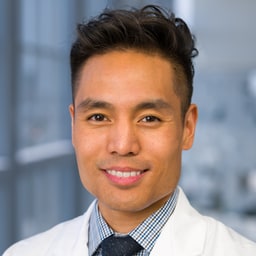
Ranier Reyes, M.D.
Program DirectorRequirements
Applicants must have completed an ACGME-accredited residency training program in neurology, child neurology, anesthesiology, internal medicine, or emergency medicine.Application & Typical Timeline
We participate in the Neurocritical Care Fellowship Match Program via the SF Match and receive applications via the Central Application System (CAS).- January: applications open
- Spring: interviews occur throughout
- August: rank lists are finalized and submitted, followed by Match Results.
Questions? neurofellowship@UTSouthwestern.edu
Current Fellows
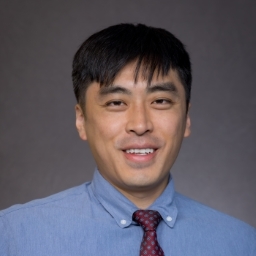
Yohan Kim, D.O.
Second Year Fellow
Residency: UNTHSC/San Antonio, Neurology
Medical School: UNTHSC/Texas College of Osteopathic Medicine
Undergraduate: UT Austin
Publications
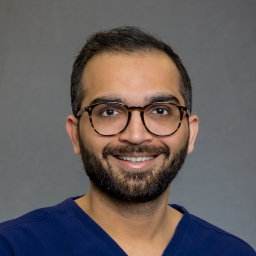
Chail Shah, M.D.
Second Year Fellow
Residency: Northeast Georgia Medical Center, Internal Medicine
Medical School & Undergraduate: Mahatma Gandhi Mission’s Medical College, India
Publications
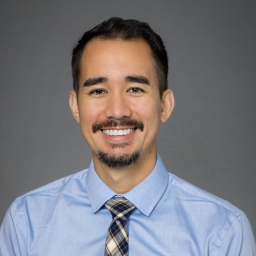
Luke Dosselman, M.D.
First Year Fellow
Residency: UT Southwestern, Neurosurgery
Medical School: UT Southwestern
Publications
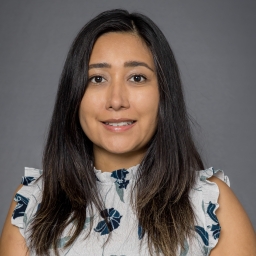
Jessica Garcia-Chan, M.D.
First Year Fellow
Residency: Texas Tech Univ. - El Paso
Medical School: Universidad Autónoma de Ciudad Juárez
Publications
From Fellowship Alumni
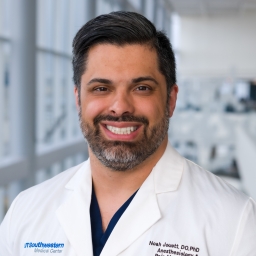
“The program was responsive to the unique needs of fellows like me who entered from non-neurology backgrounds. I had the chance to cross-train in the surgical, trauma, and cardiovascular ICUs, which broadened my clinical perspective. My electives in stroke neurology, neurointerventional radiology, and neurosonology were instrumental in rounding out my knowledge of neurology. I also engaged in research through the NNRC, which gave me valuable opportunities to strengthen my skills.”
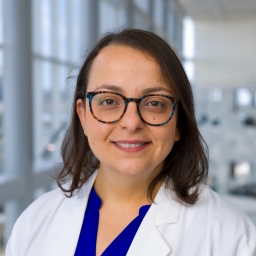
"Each faculty member mentored me in their own way and helped me grow over the two-year period. Their varied backgrounds and approaches let me discover my own preferences. They allowed me to express my practice style and guided my decision-making in the moments I was unsure. They granted me autonomy as I progressed through the fellowship so that by the end, I felt ready to take on a 24-bed unit in early July. My elective time was focused on learning critical care medicine and critical care EEG, which was a great experience. ”
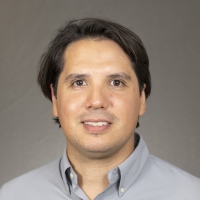
"I gained extensive experience in airway management—including intubation and bronchoscopy—reinforced through the program’s advanced skills lab. Time spent in the angiography suites at UTSW and Parkland deepened my exposure to neurovascular disease and strengthened my interest in endovascular therapy. The program’s strong research infrastructure and the faculty’s commitment to helping fellows achieve their individual goals set it apart from other large programs nationwide. This foundation directly prepared me for, and helped me secure, a premier fellowship in Neuroendovascular Surgery/Neurointerventional Radiology at the UCSF. ”