Internal Medicine Residency
At UT Southwestern, residents train in a program that pairs rigorous clinical experience with close faculty mentorship and a strong sense of community. Across three distinctive teaching hospitals, they care for a diverse patient population, learn from accomplished physicians and scientists, and build the confidence to shape careers in academic medicine, subspecialty practice, or primary care.
From the beginning of internship, residents are essential members of the care team. With supervision and support, they develop care plans, write orders, perform procedures, and take increasing responsibility for patients on the wards and in the intensive care unit.
Interns gain early experience with procedures such as central venous and arterial line placement and paracentesis. By the end of the first year, they are prepared to lead a team and care for patients with critical illness.
Meaningful responsibility, exposure to complex conditions, and guidance from invested faculty help residents develop sound clinical judgment and the skills needed for their chosen careers.
Over three years, residents build on the foundation established during internship, explore subspecialties, pursue scholarly and professional interests, and become the physicians they aspire to be.


8
Tracks

76
Total Matched

97%
Signal Rate (Matched)
- Education Pathways
Medical Education Pathway
Led by Madeline Rodriguez, M.D., the Medical Education Pathway supports residents who want to become clinician-educators. Residents apply during internship and begin the two-year pathway in their second year. Through monthly meetings, a core curriculum, and teaching experiences in undergraduate and graduate medical education, participants learn how to design instruction, give feedback, and grow as educators. Faculty mentors help each resident set goals and complete a medical education capstone project before graduation.
Health Systems Pathway
Led by Deborah Freeland, M.D., the Health Systems Pathway helps residents understand how health care is organized, financed, and improved in the United States. Participants examine care delivery and innovation, insurance and reimbursement, information technology, public and population health, policy and advocacy, pharmaceuticals and devices, health equity and justice, and health care economics. Twice-monthly sessions, Health Systems Week, experiential learning, career development, and a mentored capstone project help residents turn that understanding into practical approaches to improving care.
Global Health Pathway
Led by Christiana Renner, M.D., the Global Health Pathway prepares residents to care thoughtfully for underserved communities in North Texas and around the world. After applying during internship, selected residents study the global burden of disease, health equity, ethics, social determinants of health, and decolonizing global health. Third-year rotations at University Teaching Hospital in Lusaka, Zambia, or with the Chickasaw Nation in Oklahoma offer opportunities to learn alongside local physicians and organizations in culturally diverse, resource-limited settings. Residents may also pursue research, quality improvement, and international collaboration focused on reducing health disparities.
University of Texas - Stimulating Access to Research in Residency (UT-StARR)
The University of Texas - Stimulating Access to Research in Residency (UT-StARR) program is a mentored research training program supported by a National Heart, Lung, and Blood Institute R38 grant. It offers one to two years of 80% protected research time, funding, mentorship, and other resources for residents pursuing laboratory, translational, clinical, or population health research related to heart, lung, or blood disorders.
- Rotations & Clinics
General and Subspecialty Wards Services
Residents lead ward teams, teach and guide interns and medical students, oversee care plans, and collaborate with consultants. On general medicine services, they gain meaningful autonomy while knowing that faculty are readily available for guidance with challenging cases.
At Parkland Memorial Hospital, each team includes one resident, two daytime interns, medical students, and a supervising attending physician. Overnight, one resident and two interns work together to manage admissions.
At Clements University Hospital, each medicine team includes one resident and two interns. Overnight admissions are managed by a night resident and an intern.
At the Dallas Veterans Affairs Medical Center, ward teams admit patients through a drip system. The hospitals' distinct team and call structures give residents experience with different levels of autonomy, patient volume, bedside learning, and classroom instruction.
Residents also train on subspecialty inpatient services in cardiology, hematology and oncology, geriatrics, and gastroenterology.
Residents also complete subspecialty ward experiences in cardiology, hematology and oncology, geriatrics, and gastroenterology.
The medical and cardiac intensive care units at UT Southwestern care for patients with acute, complex conditions. Residents work closely with fellows and faculty in cardiology and pulmonary and critical care medicine, receiving close supervision as they take on challenging clinical responsibilities.
Critical Care Services
Residents help lead responses to cardiac and respiratory arrests at all three hospitals. In the ICU, residents and interns learn bedside ultrasound, central venous access, and arterial line placement under faculty and fellow supervision.
At Parkland Memorial and Clements University hospitals, medical ICU teams admit patients on a four-day cycle, with a night-float resident managing care overnight. Neither site uses 28-hour call. At the Dallas VA, the combined cardiopulmonary ICU is staffed by pulmonary and critical care medicine and cardiology faculty. The resident team works during the day, with no 28-hour or overnight call.
ICU rotations are rigorous, but resident workload and schedules are closely monitored to meet ACGME duty-hour and patient-census requirements.
Residents also rotate through the cardiac intensive care unit at Clements University Hospital, where they care for patients with complex heart conditions, including those with left ventricular assist devices or heart transplants. They work alongside heart failure specialists throughout the rotation.
Residents also rotate on the Cardiac Intensive Care Unit at Clements University Hospital, where they care for patients with complex cardiac conditions, including those with left ventricular assist devices or heart transplants. Teams work with heart failure specialists in the ICU.
Each resident has a continuity clinic at the Dallas Veterans Affairs Medical Center, Parkland Memorial Hospital, or UT Southwestern. Under the 4+1 system, residents return to clinic during each +1 week, allowing them to build lasting relationships with patients while developing comprehensive outpatient primary care skills.
Continuity Clinics
Each resident has a continuity clinic at the Dallas Veterans Affairs Medical Center, Parkland Memorial Hospital, or UT Southwestern. Under the 4+1 system, residents attend clinic during their +1 week. This structure supports continuity of care and comprehensive training in outpatient primary care within internal medicine.
Hybrid Rotations
Hybrid rotations combine inpatient subspecialty teams, consult services, outpatient clinics, departmental conferences, and faculty-led instruction. During three years of training, residents may rotate in geriatrics, infectious diseases, nephrology, neurology, hematology and oncology, endocrinology, rheumatology, gastroenterology and hepatology, cardiology, hospital medicine, palliative care, addiction medicine, and pulmonary medicine. Residents may request additional time in a subspecialty of interest.
Electives
Research
Residents receive four weeks of elective time during each year of training. They may deepen their clinical experience, complete quality improvement projects, or conduct research with UT Southwestern faculty. Many extend their projects beyond the elective, present their work at national conferences, and publish their findings. Resident research is featured each year at the Seldin Research Symposium. Clinical electives also allow residents to strengthen procedural skills, including paracentesis, with the procedure team at Parkland Memorial Hospital.
- Training Sites

Parkland Memorial Hospital
Parkland Memorial Hospital is a primary teaching site and one of the nation's largest public hospitals. Serving Dallas County since 1894, Parkland has been affiliated with UT Southwestern Medical School since the 1940s. Residents care for patients across the continuum, from preventive needs to advanced illness, while learning in a mission-driven public hospital. The 882-bed facility opened in 2015 and includes medical, cardiac, cardiovascular, surgical, burn, and neurocritical care units.
Clinical Highlights
- Level 1 Trauma Center
- Second-largest civilian burn unit in the U.S.
- Largest (busiest) emergency room in the U.S.
- One of the busiest obstetrics service in the world

Clements University Hospital
Clements University Hospital (CUH) opened in December 2014 and expanded in 2020. The 750-bed acute care hospital brings clinical care, technology, education, and research together in one setting. Conference rooms, videoconferencing, simulation spaces, and areas for clinical research and case review are integrated throughout the hospital to support learning and collaboration.
Clinical Highlights
- Robust transplant center with exposure to pre- and post-transplant care
- More than 40,000 square feet of space dedicated to research and learning
- Nationally recognized for cancer care, cardiology and heart surgery, diabetes and endocrinology, neurology and neurosurgery, rehabilitation, and pulmonology and lung surgery
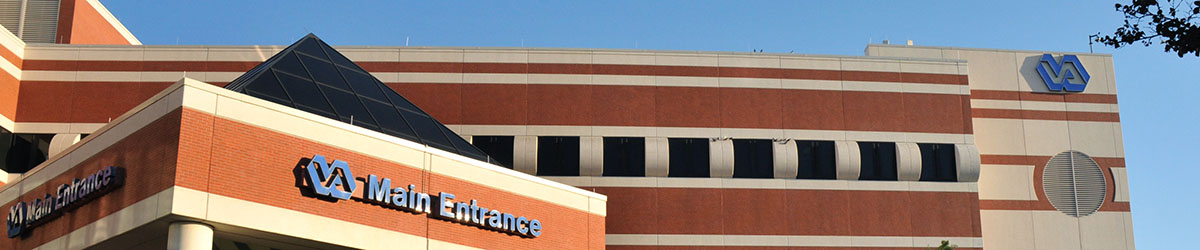
Dallas Veterans Affairs Medical Center
The Dallas Veterans Affairs Medical Center is part of the nation's second-largest VA health system and serves more than 100,000 veterans. The hospital has 289 acute care beds, a spinal cord injury center, and an on-site community living center. Residents build experience managing common medical conditions while also caring for patients who need advanced services available through the national VA network.
Clinical Highlights
- First VA in the nation with a transcatheter aortic valve replacement (TAVR) program
- Well-integrated outpatient medicine resources including telemedicine, homeless patient care
- Educational Conferences
Learning at UT Southwestern extends from the bedside to the classroom throughout the week. Conferences combine practical instruction, clinical reasoning, case discussion, and focused teaching to help residents connect daily patient care with the broader foundations of internal medicine.
Monday Didactics
Monday afternoons during each resident's +1 week are protected for ambulatory medicine education. Residents learn with their firm from faculty who teach a curriculum focused on efficient, effective care for each resident's patient panel.
Noon Conference
Residents attend Noon Conference each weekday, where faculty and visiting experts present high-yield topics in internal medicine. Sessions range from traditional lectures to interactive reviews and align with the American Board of Internal Medicine blueprint. Lunch is provided at all three hospital sites, and sessions are recorded for later review.
Medicine Core Lecture Series
The Medicine Core Lecture Series covers essential topics across internal medicine subspecialties. An annual Back-to-Basics series helps interns and upper-level residents begin the academic year with a shared foundation, while an end-of-year review helps graduating residents prepare for the American Board of Internal Medicine certification examination.
Patient Safety and Quality Improvement Conferences
Residents may bring cases to Morning Report or Noon Conference that offer important clinical or systems-based lessons. In a supportive setting, residents and faculty examine medical errors and near misses, identify opportunities for improvement, and share what they learn with the residency community. Faculty help residents translate these insights into quality improvement work that strengthens patient safety and care delivery. The goal is a culture grounded in reflection, accountability, and continual learning.
Resident Update Conference
These resident-led sessions give presenters the opportunity to share their research or teach a topic of interest to fellow residents and faculty. The experience helps residents strengthen their presentation skills while learning from one another.
Morning Report
Four days a week, residents discuss compelling cases admitted to their teams in interactive sessions led by a faculty member and chief resident. Discussions emphasize clinical reasoning, differential diagnosis, disease mechanisms, and patient management
Internal Medicine Grand Rounds
Held every Friday morning, Internal Medicine Grand Rounds brings together departmental and visiting experts to discuss timely topics in clinical care, research, and medical education.
- Schedules and Firm System
Curriculum by Year
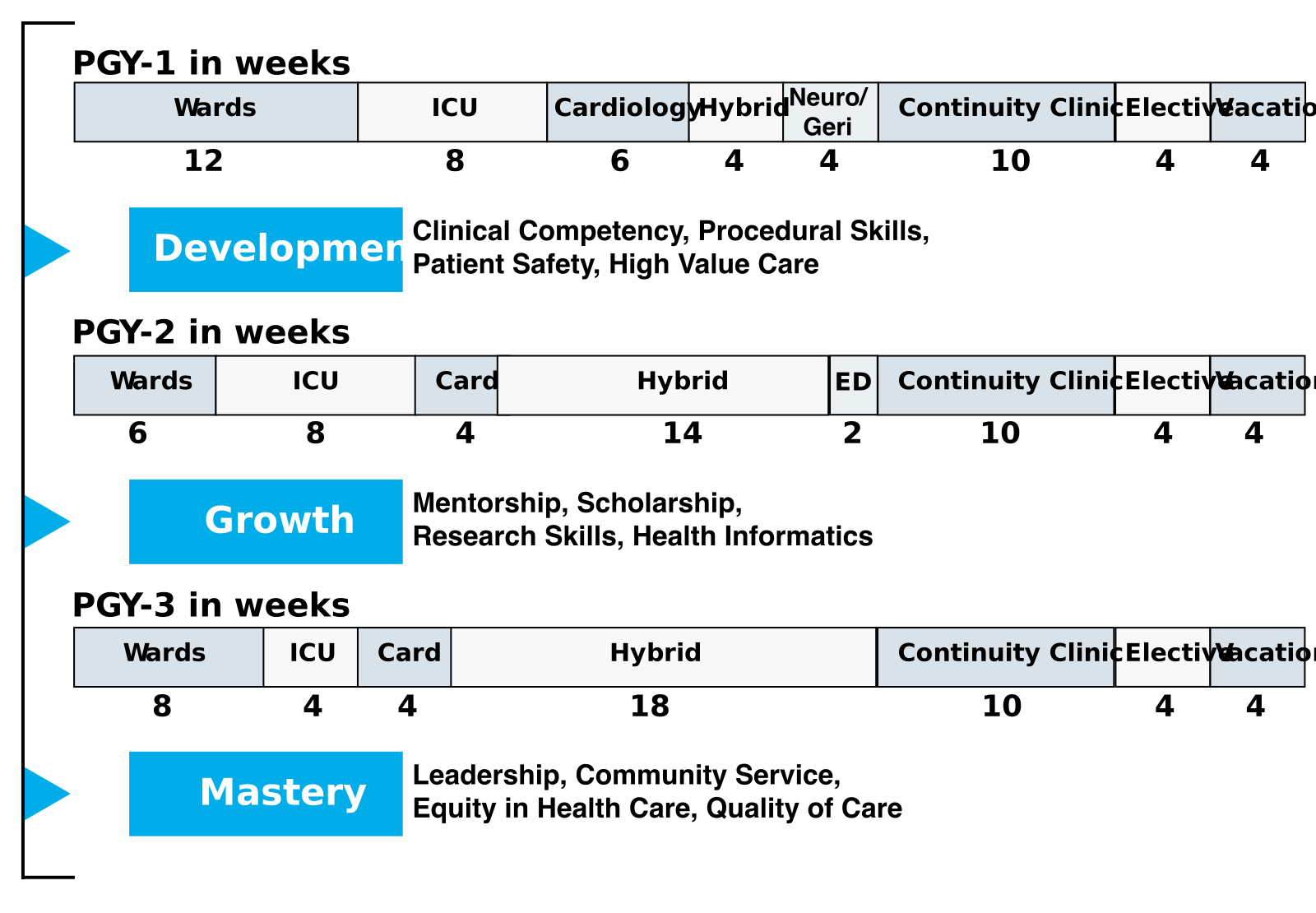
The curriculum brings together five core experiences: wards, intensive care units, clinics, consult services, and electives. Each year offers greater responsibility, flexibility, and opportunity for growth.
- Resident Curriculum by Year
Educational focus: Development through clinical competency, procedural skills, patient safety, and high-value care.
PGY-1 Curriculum (52 weeks)- Wards: 12 weeks
- Intensive Care Unit (ICU): 8 weeks
- Cardiology: 6 weeks
- Hybrid rotations: 4 weeks
- Neurology/Geriatrics: 4 weeks
- Continuity Clinic: 10 weeks
- Elective: 4 weeks
- Vacation: 4 weeks
Educational focus: Growth through mentorship, scholarship, research skills, and health informatics.
PGY-2 Curriculum (52 weeks)- Wards: 6 weeks
- Intensive Care Unit (ICU): 8 weeks
- Cardiology: 4 weeks
- Hybrid rotations: 14 weeks
- Emergency Department (ED): 2 weeks
- Continuity Clinic: 10 weeks
- Elective: 4 weeks
- Vacation: 4 weeks
Educational focus: Mastery through leadership, community service, equity in health care, and quality of care.
PGY-2 Curriculum (52 weeks)- Wards: 8 weeks
- Intensive Care Unit (ICU): 4 weeks
- Cardiology: 4 weeks
- Hybrid rotations: 18 weeks
- Continuity Clinic: 10 weeks
- Elective: 4 weeks
- Vacation: 4 weeks
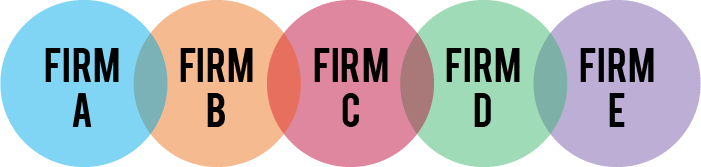
Residents are assigned to firms that move through inpatient services and +1 clinic weeks together. Shared schedules, protected time, and predictable weekends off help residents form lasting connections and make a large program feel more personal.
4 + 1 Highlights
- The academic year includes 10 five-week blocks.
- Each block includes a four-week rotation followed by a +1 continuity clinic week. Four-week rotations include inpatient wards, intensive care units, and hybrid rotations.
- Firms attend clinic during the same weeks.
- Residents in each firm's shared practice group help cover one another's patient panels. This allows residents on four-week rotations to focus on inpatient responsibilities.
- Residents have the full weekend off before each +1 clinic week. This structure makes all weekends off predictable for the full three years of residency.
- Preliminary interns follow the same schedule as categorical interns, including elective and vacation time. In lieu of a continuity clinic, preliminary interns spend their +1 weeks in career-specific clinics of their choosing.
Hybrid Rotations
Hybrid rotations offer both inpatient and outpatient experience across major internal medicine subspecialties at all three hospitals and their affiliated clinics. Over three years, residents work with teams in nephrology, gastroenterology, geriatrics, infectious diseases, hematology and oncology, neurology, palliative care, rheumatology, endocrinology, addiction medicine, cardiology, and pulmonary medicine. Most hybrid services also provide weekends off.
Sample Block Schedule
Block 1 Block 2 Block 3 Block 4 Block 5 PGY 1 PMH Wards +1 Elective +1 VA Wards +1 PMH MICU +1 PMH Wards +1 PGY 2 Heme/Onc Hybrid +1 Elective +1 Nephro Hybrid +1 CUH ACS +1 PMH MICU +1 PGY 3 PMH MICU +1 ID Hybrid +1 VA CPICU +1 Outpatient Medicine +1 GI Hybrid +1 Block 6 Block 7 Block 8 Block 9 Block 10 PGY 1 Nephro Hybrid +1 CUH MICU +1 PMH CCU +1 Geriatrics/ Vacation +1 CUH Wards +1 PGY 2 PMH CCU +1 VA CPICU +1 PMH CCU +1 PMH Wards +1 PMH CCU +1 PGY 3 Cardio/Pulm Hybrid +1 Elective +1 QI +1 PMH Wards +1 Rheum/Endo Hybrid +1 PMH: Parkland Memorial Hospital
CUH: Clements University Hospital
VA: Dallas Veterans Affair Medical Center
ACS: Advanced Cardiac Care
CPICU: Cardiopulmonary ICURotations Available
Sub-Specialty PMH CUH VA General Wards Yes Yes Yes MICU Yes Yes No Combined MICU/CCU No No Yes Cardiology Yes No No Advanced Cardiac Care Service No Yes No Hybrid Rotations - Nephrology Yes Yes Yes Hybrid Rotations - GI/Liver Yes Yes Yes Hybrid Rotations - Infectious Disease Yes Yes Yes Hybrid Rotations - Hematology/Oncology Yes Yes Yes Hybrid Rotations - Neurology Yes Yes Yes Hybrid Rotations - Rheumatology/Endocrinology Yes Yes Yes Hybrid Rotations - Cardiology/Pulmonary Yes Yes Yes PMH: Parkland Memorial Hospital
CUH: UT Southwestern William P. Clements Jr. University Hospital
VA: Dallas Veterans Affairs Medical Center - Resident Curriculum by Year
- Scholarly Activity
UT Southwestern faculty pursue research across the full scope of internal medicine, giving residents many ways to find work that matches their interests. The residency program helps residents connect with mentors, develop projects, and access structured research opportunities. Whether they are exploring a first question or building toward an academic career, residents receive support to share their work through presentations and publications.
Donald W. Seldin, M.D., Research Symposium
The Donald W. Seldin, M.D., Research Symposium is the Department of Internal Medicine's annual showcase of trainee research. Established in 2016, the symposium features more than 150 posters each year, with projects in basic science, clinical investigation, quality improvement, and medical education. Participants include residents, clinical fellows, postdoctoral fellows, Medical Scientist Training Program students, and Ph.D. students training or interested in training in the Department.
- Specialty Programs
Simulation Training
Residents begin procedural training in the Simulation Center, where they can practice, ask questions, and build confidence before applying their skills in patient care.
High-fidelity models and realistic clinical environments prepare residents for situations they may encounter across the program's three hospitals. Faculty-guided practice gives residents the space to learn from feedback and develop proficiency in a supportive setting.
Contact Us
UT Southwestern Medical Center
5323 Harry Hines Blvd.
Dallas, TX 75390-9030
Phone: 214-648-2287
Fax: 214-648-9100
Email
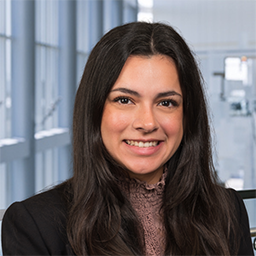
Alyssa Wolfe
GME Program Coordinator II
Internal Medicine Categorical, Preliminary, and Med-Geriatrics
alyssa.wolfe@utsouthwestern.edu
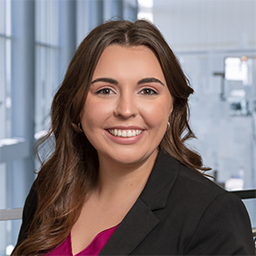
Cydney Sutherland, M.H.A.
Program Coordinator
Internal Medicine Residency Program
cydney.sutherland@utsouthwestern.edu
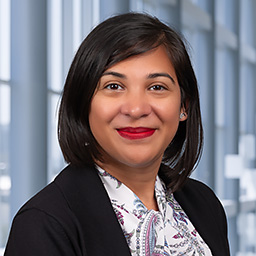
Veronica Luciano-Estrada
GME Program Coordinator I
Internal Medicine-Psychiatry
veronica.luciano-estrada@utsouthwestern.edu
Jasmine Weiland
GME Program Coordinator I
Community and Population Healthcare Track
jasmine.weiland@utsouthwestern.edu