
Search
Biochemist Benjamin Tu honored with O’Donnell Award from TAMEST : Newsroom - UT Southwestern, Dallas, Texas
https://www.utsouthwestern.edu/newsroom/articles/year-2021/tu-tamest.html
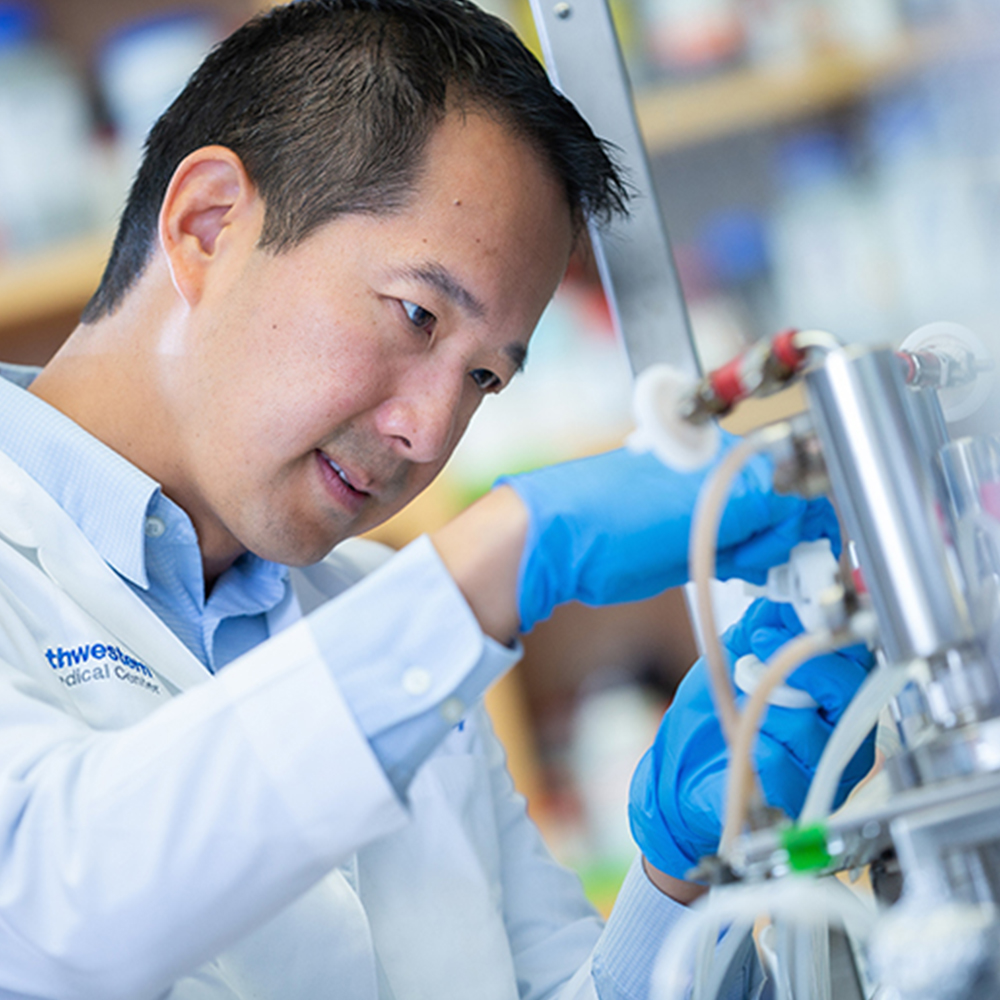
Benjamin Tu, Ph.D., a professor of biochemistry at UT Southwestern whose basic science research into cellular function could lead to greater understanding of diseases including cancer, has been named a recipient of the 2021 Edith and Peter O’Donnell Award in Science, presented by The Academy of
Researchers find that different stem cells are responsible for the repair of different kinds of bone injuries: Newsroom - UT Southwestern, Dallas, Texas
https://www.utsouthwestern.edu/newsroom/articles/year-2022/october-stem-cells.html
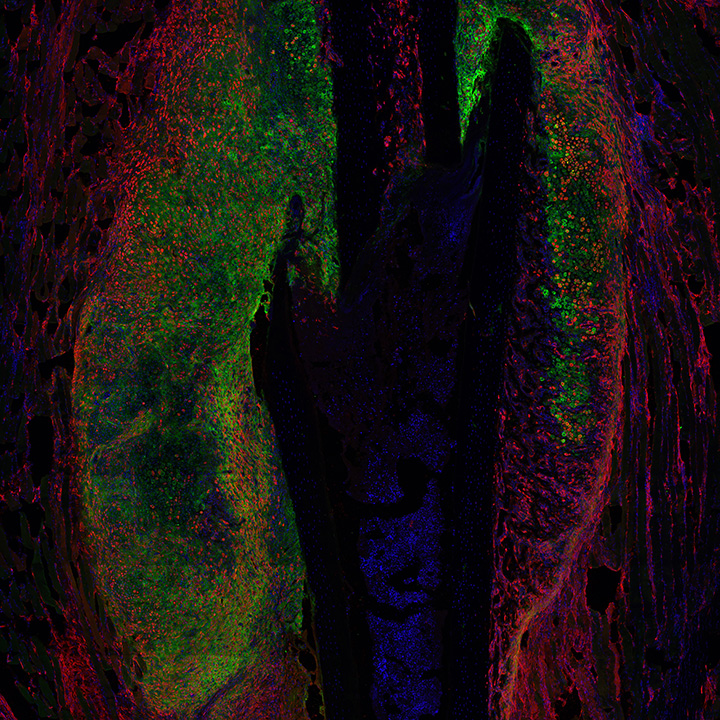
New research from Children’s Medical Center Research Institute at UT Southwestern (CRI) found that different skeletal stem cell (SSC) populations contribute to repair of different kinds of bone injuries.
UTSW sleep researcher awarded prestigious Breakthrough Prize: Newsroom - UT Southwestern, Dallas, Texas
https://www.utsouthwestern.edu/newsroom/articles/year-2022/october-breakthrough-prize.html
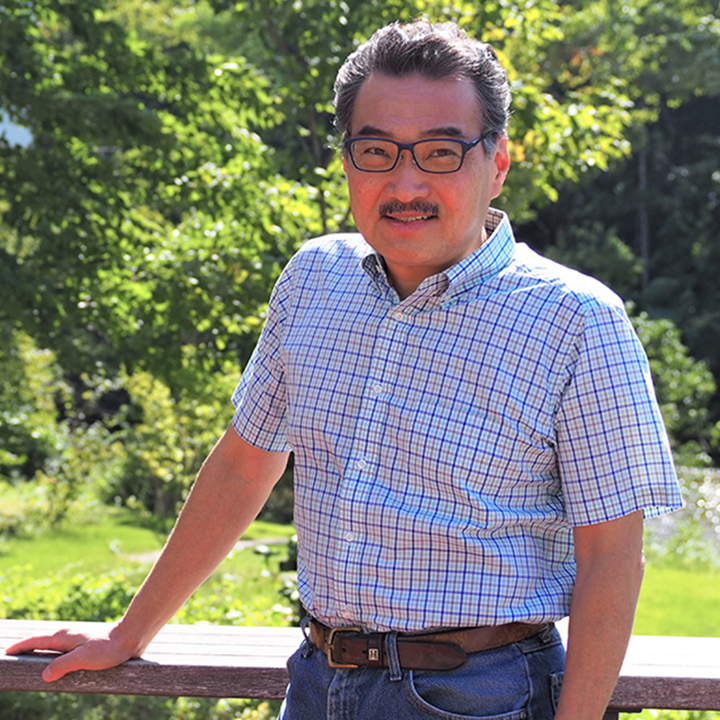
UT Southwestern sleep researcher Masashi Yanagisawa, M.D., Ph.D., has been awarded the Breakthrough Prize in Life Sciences for his discovery of the cause of narcolepsy.
UTSW researchers examine impact of pandemic on children’s mental health: Newsroom - UT Southwestern, Dallas, Texas
https://www.utsouthwestern.edu/newsroom/articles/year-2022/october-impact-of-pandemic.html

New research from pediatricians at UT Southwestern and Children's Health reveals the impact of COVID-19 on mental health in children.
Radiofrequency ablation offers a nonsurgical treatment for thyroid nodules: Newsroom - UT Southwestern, Dallas, Texas
https://www.utsouthwestern.edu/newsroom/articles/year-2022/thyroid-nodules.html
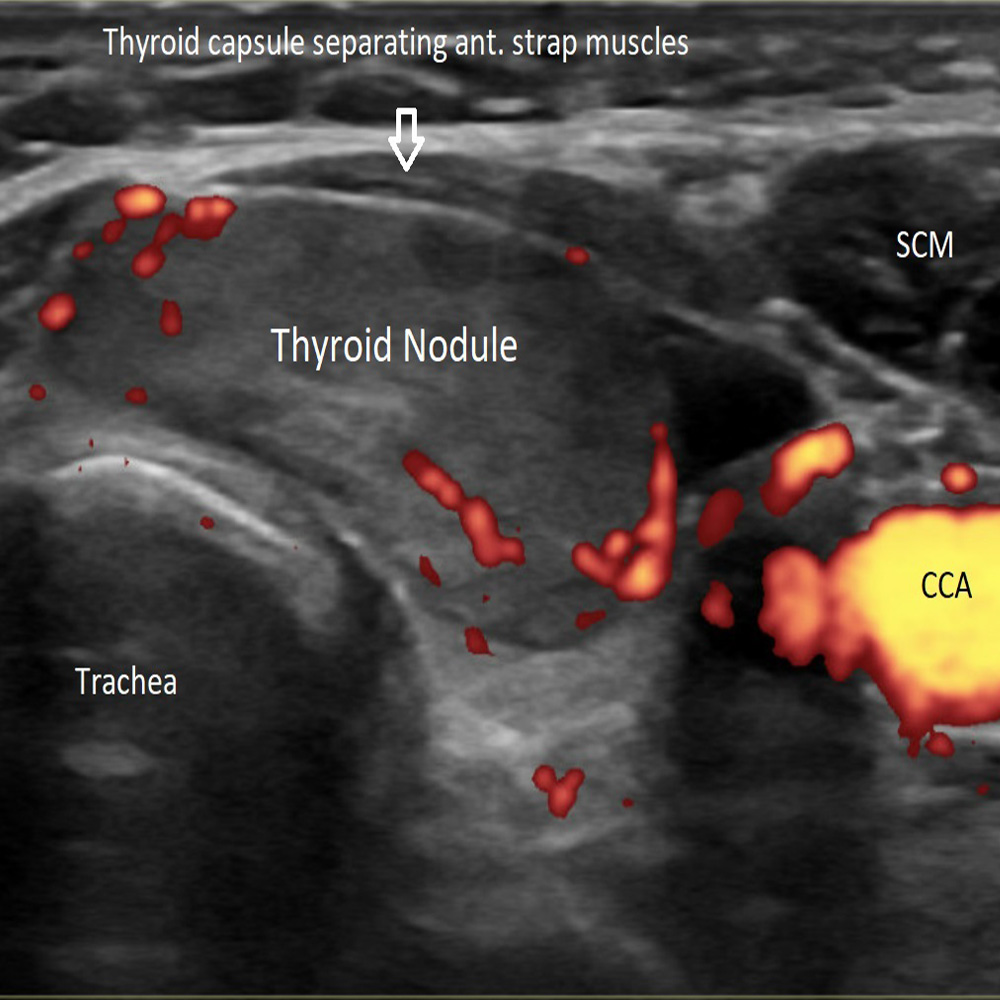
When Vickie Bell-Percival was offered the opportunity to have a nodule on her thyroid treated with a new nonsurgical technique called radiofrequency ablation (RFA), she didn’t hesitate.
UT Southwestern researchers capture first images of antibody attacking neuron receptor: Newsroom - UT Southwestern, Dallas, Texas
https://www.utsouthwestern.edu/newsroom/articles/year-2022/july-neuro-autoimmunity.html
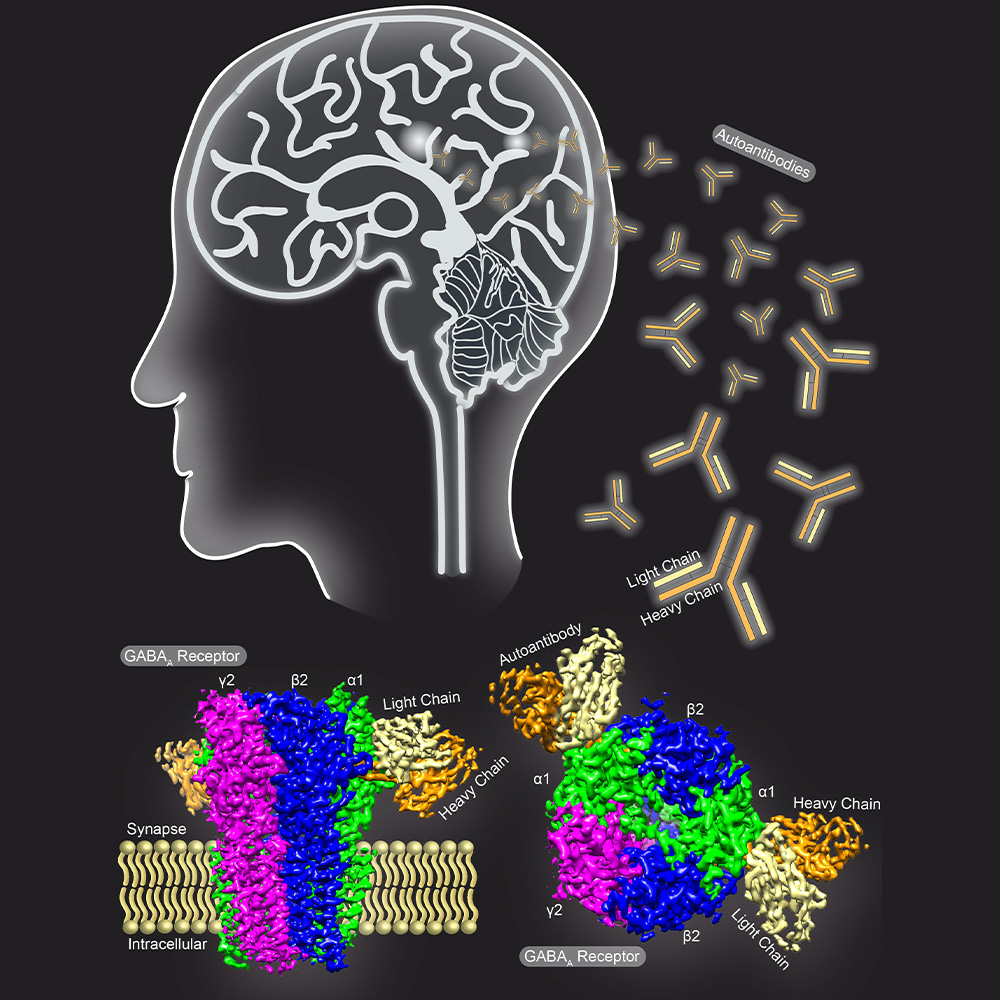
Using UT Southwestern’s Cryo-Electron Microscopy Facility, researchers for the first time have captured images of an autoantibody bound to a nerve cell surface receptor, revealing the physical mechanism behind a neurological autoimmune disease.
UT Southwestern ranks nationally, regionally among 'Best Hospitals': Newsroom - UT Southwestern, Dallas, Texas
https://www.utsouthwestern.edu/newsroom/articles/year-2020/best-regional-hospital.html
UT Southwestern Medical Center is the No. 1 hospital in Dallas-Fort Worth – the nation’s fourth-largest metro area – and ranks among the top 50 hospitals nationally in 10 specialties ranging from brain to heart care.
Study finds no danger of second COVID shot in those with allergic reactions to first dose: Newsroom - UT Southwestern, Dallas, Texas
https://www.utsouthwestern.edu/newsroom/articles/year-2021/second-covid-shot.html
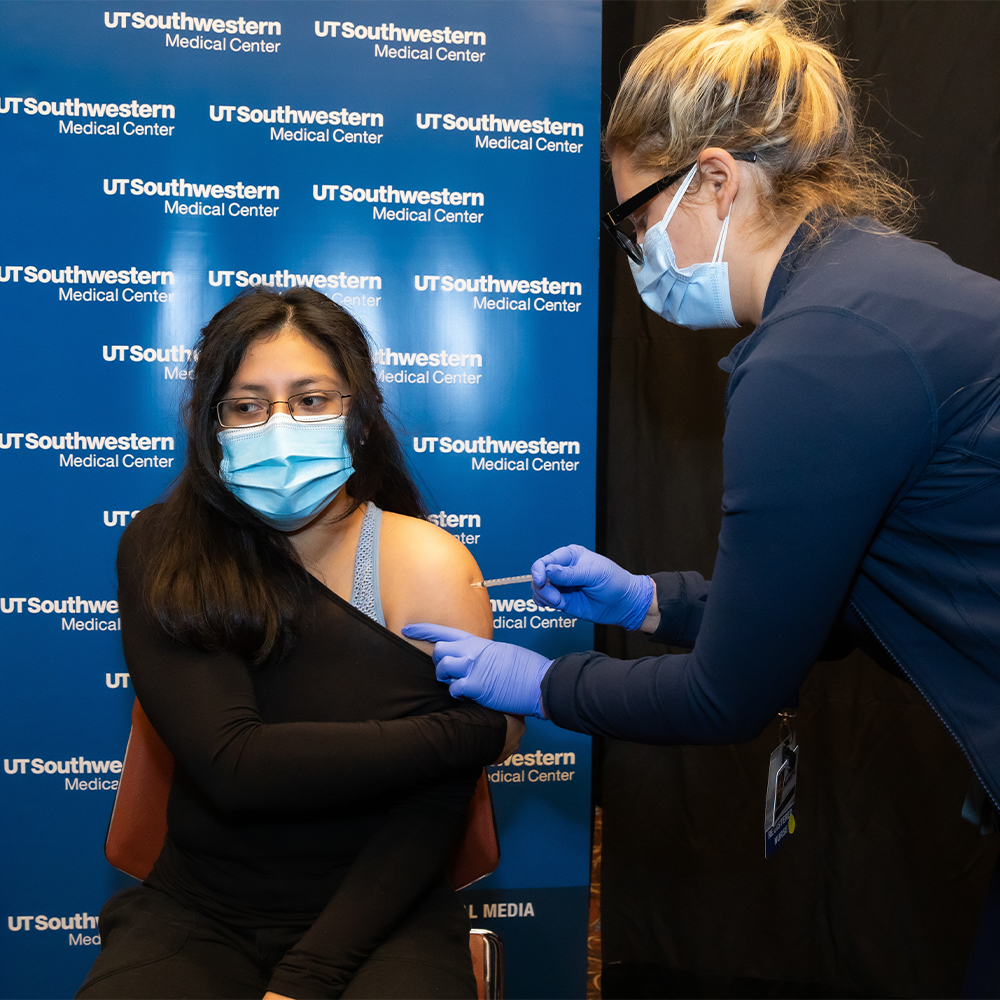
People who had a potentially allergic reaction to their first messenger RNA COVID-19 vaccination can safely receive their second shot, according to a study of patients conducted at several medical centers, including UT Southwestern.
Changing what heart cells eat could help them regenerate: Newsroom - UT Southwestern, Dallas, Texas
https://www.utsouthwestern.edu/newsroom/articles/year-2020/regenerating-heart-cells.html
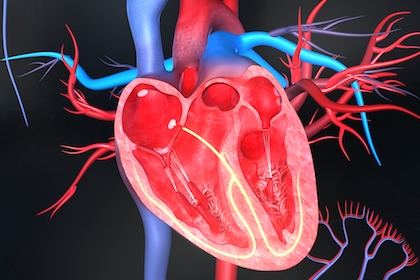
Switching what the powerhouses of heart cells consume for energy could help the heart regenerate when cells die.
Children's Health, UT Southwestern announce expansion in southern Dallas at RedBird: Newsroom - UT Southwestern, Dallas, Texas
https://www.utsouthwestern.edu/newsroom/articles/year-2020/redbird-expansion.html
Children's HealthSM, the leading pediatric health care provider in North Texas, and UT Southwestern Medical Center announce their first joint pediatric enterprise initiative at the Reimagine RedBird development to broaden access in southern Dallas to the region’s top pediatric care.