
Search
UT Southwestern ranks nationally, regionally among 'Best Hospitals': Newsroom - UT Southwestern, Dallas, Texas
https://www.utsouthwestern.edu/newsroom/articles/year-2020/best-regional-hospital.html
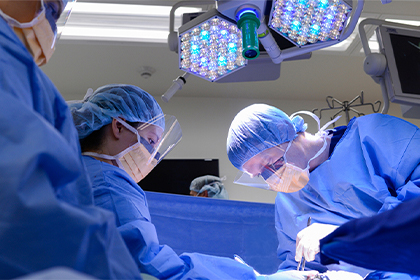
UT Southwestern Medical Center is the No. 1 hospital in Dallas-Fort Worth – the nation’s fourth-largest metro area – and ranks among the top 50 hospitals nationally in 10 specialties ranging from brain to heart care.
Study challenges concerns over hospital readmission reduction practices: Newsroom - UT Southwestern, Dallas, Texas
https://www.utsouthwestern.edu/newsroom/articles/year-2020/hospital-readmission.html
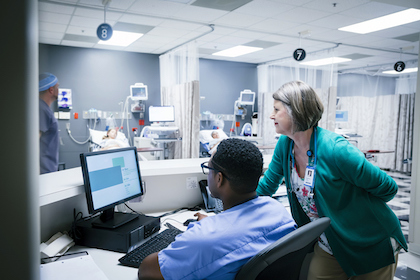
A UT Southwestern study is challenging concerns that a federal health policy enacted in 2012 to reduce hospital readmissions leaves patients more vulnerable.
Inappropriate disclosure to vendor announced: Newsroom - UT Southwestern, Dallas, Texas
https://www.utsouthwestern.edu/newsroom/articles/year-2020/inappropriate-disclosure.html
UT Southwestern Medical Center has informed affected patients of an inappropriate disclosure of their email addresses through use of a third-party vendor.
Gulf War illness not caused by depleted uranium from munitions, study shows: Newsroom - UT Southwestern, Dallas, Texas
https://www.utsouthwestern.edu/newsroom/articles/year-2021/gulf-war-illness.html

Inhalation of depleted uranium from exploding munitions did not lead to Gulf War illness (GWI) in veterans deployed in the 1991 Persian Gulf War, a new study co-authored by a leading researcher of the disease at UT Southwestern suggests.
Children's Health, UT Southwestern announce expansion in southern Dallas at RedBird: Newsroom - UT Southwestern, Dallas, Texas
https://www.utsouthwestern.edu/newsroom/articles/year-2020/redbird-expansion.html

Children's HealthSM, the leading pediatric health care provider in North Texas, and UT Southwestern Medical Center announce their first joint pediatric enterprise initiative at the Reimagine RedBird development to broaden access in southern Dallas to the region’s top pediatric care.
Changing what heart cells eat could help them regenerate: Newsroom - UT Southwestern, Dallas, Texas
https://www.utsouthwestern.edu/newsroom/articles/year-2020/regenerating-heart-cells.html
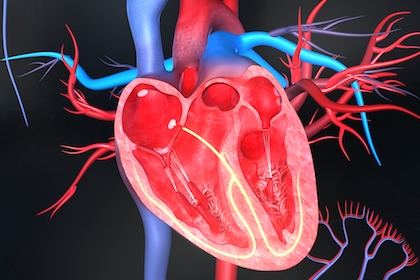
Switching what the powerhouses of heart cells consume for energy could help the heart regenerate when cells die.
Study: Tuberculosis bacteria produce cough-triggering molecule: Newsroom - UT Southwestern, Dallas, Texas
https://www.utsouthwestern.edu/newsroom/articles/year-2020/tuberculosis-bacteria.html

The bacteria that cause the deadly lung disease tuberculosis appear to facilitate their own spread by producing a molecule that triggers cough.
DFW COVID-19 Prevalence Study expands : Newsroom - UT Southwestern, Dallas, Texas
https://www.utsouthwestern.edu/newsroom/articles/year-2020/prevalence-study-expands.html

As more DFW businesses and schools have reopened, and as cases have begun to surge again, researchers are expanding participation for the DFW COVID-19 Prevalence Study – uniquely designed to reveal how widely COVID-19 has spread and why some communities are harder hit.
UTSW study provides new insight into cause of cancer deaths: Newsroom - UT Southwestern, Dallas, Texas
https://www.utsouthwestern.edu/newsroom/articles/year-2025/oct-biological-causes-cancer-deaths.html
The ultimate cause of death from cancer isn’t metastatic disease, as researchers have long surmised, but an infiltration of tumors into major blood vessels that cause blood clots and multiorgan failure, a one-of-a-kind clinical study led by UT Southwestern Medical Center suggests.
Discovery provides insight into neglected tropical disease: Newsroom - UT Southwestern, Dallas, Texas
https://www.utsouthwestern.edu/newsroom/articles/year-2022/tropical-disease.html
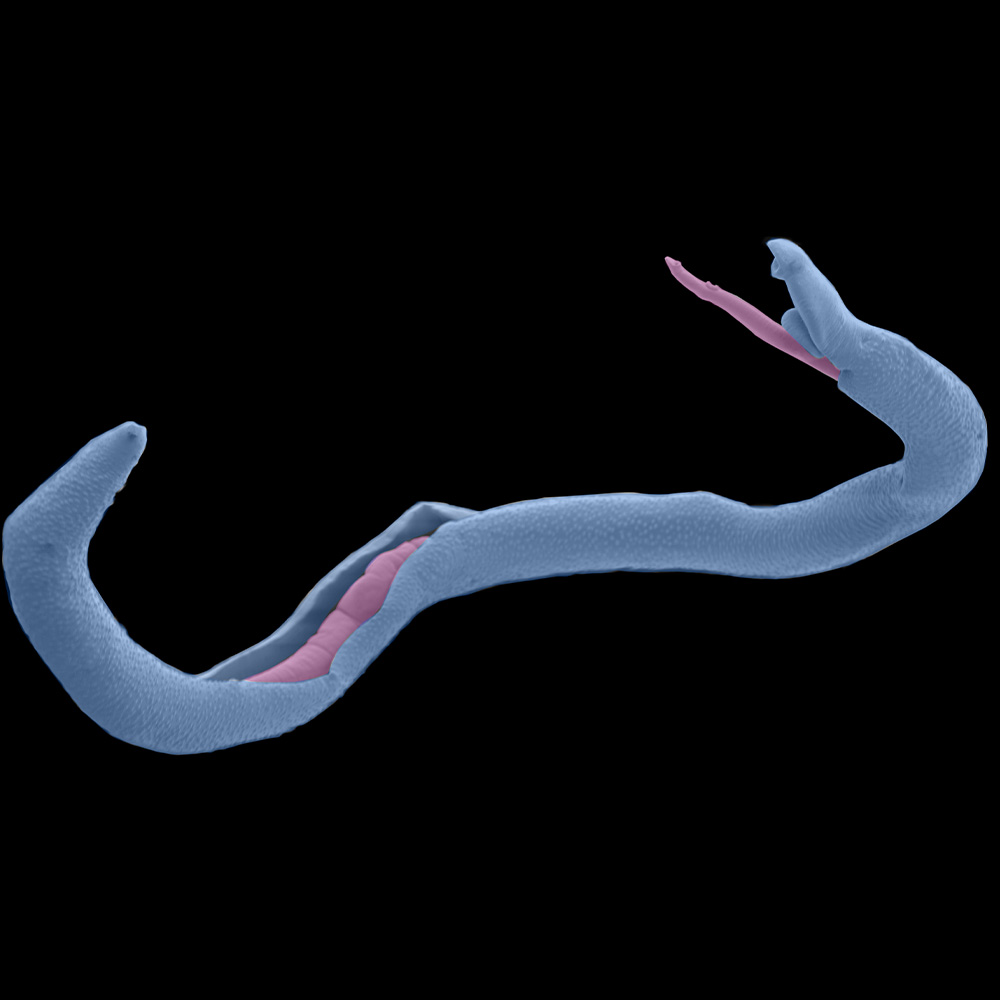
A team led by UTSW researchers has identified a molecule produced by male parasitic worms called schistosomes that prompts sexual maturity in females of these species.