
Search
UT Southwestern finds genetic clues to complex infections: Newsroom - UT Southwestern, Dallas, Texas
https://www.utsouthwestern.edu/newsroom/articles/year-2024/feb-genetic-clues-to-complex-infections.html
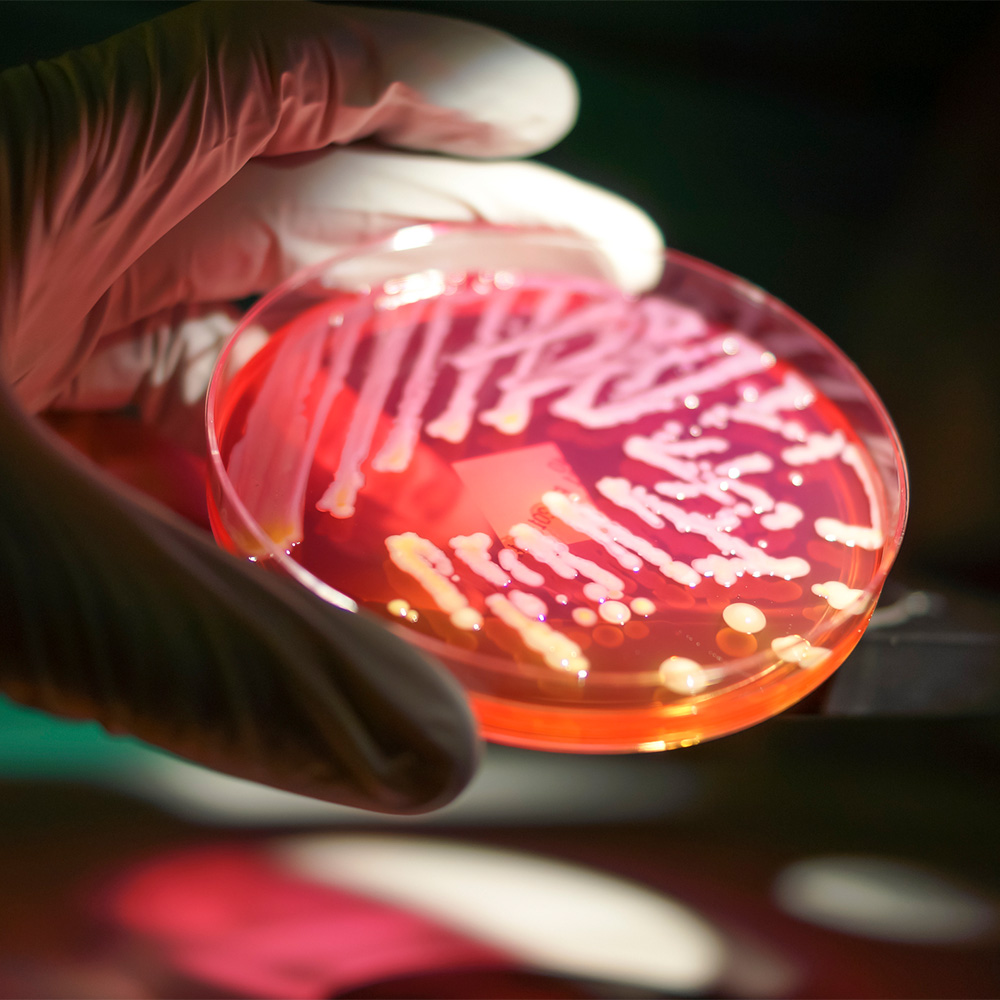
Treating complex bacterial infections with customized therapies tailored to the infection and the patient is closer to reality, thanks to researchers at UT Southwestern Medical Center.
Gene therapy offers hope for giant axonal neuropathy patients: Newsroom - UT Southwestern, Dallas, Texas
https://www.utsouthwestern.edu/newsroom/articles/year-2024/march-gene-therapy-axonal-neuropathy-patients.html
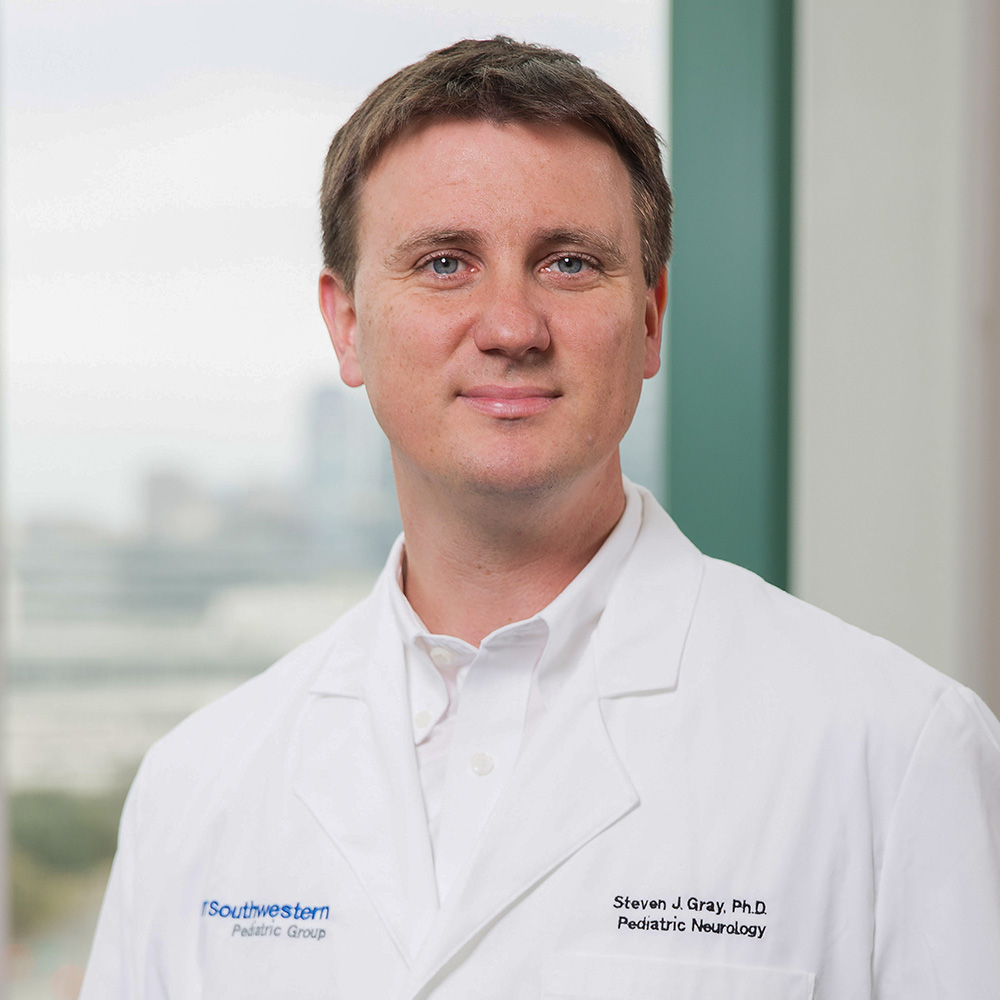
A gene therapy developed by researchers at UT Southwestern Medical Center for a rare disease called giant axonal neuropathy (GAN) was well tolerated in pediatric patients and showed clear benefits, a new study reports.
E-scooter injuries can come at a cost to the public: Newsroom - UT Southwestern, Dallas, Texas
https://www.utsouthwestern.edu/newsroom/articles/year-2024/jan-e-scooter-accident-injuries.html

Electric scooters carry a significant risk of orthopedic injuries and associated costs for medical care, which can create a financial burden for the public, according to a study by UT Southwestern Medical Center researchers.
Two Texas transplant programs team up to save lives: Newsroom - UT Southwestern, Dallas, Texas
https://www.utsouthwestern.edu/newsroom/articles/year-2024/feb-two-texas-transplant-programs.html
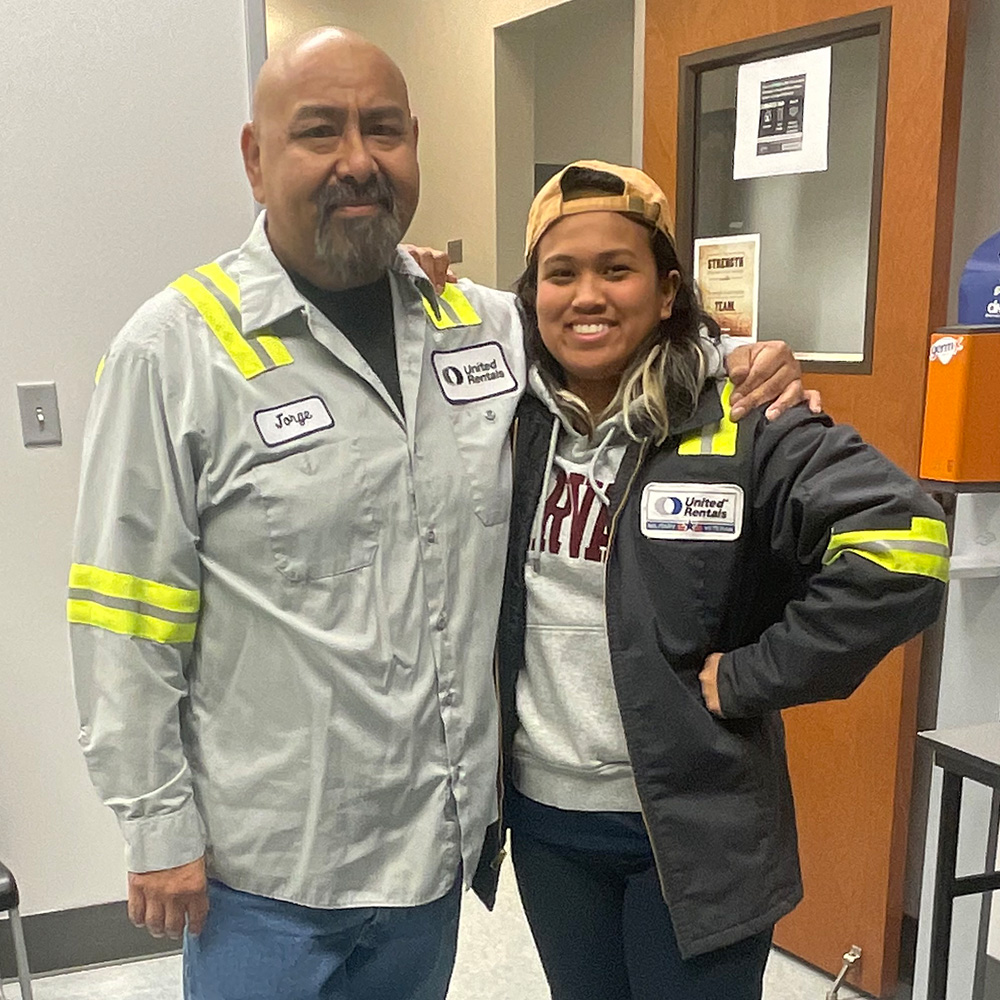
Two hard-to-match transplant patients 250 miles apart are starting 2024 on a new path to healthy lives. That’s because UT Southwestern Medical Center’s Solid Organ Transplant Program and University Health Transplant Institute in San Antonio searched beyond their own institutional networks to
Gold nanoparticles reverse brain deficits in multiple sclerosis, Parkinson’s : Newsroom - UT Southwestern, Dallas, Texas
https://www.utsouthwestern.edu/newsroom/articles/year-2024/feb-gold-nanoparticles-brain-deficits.html
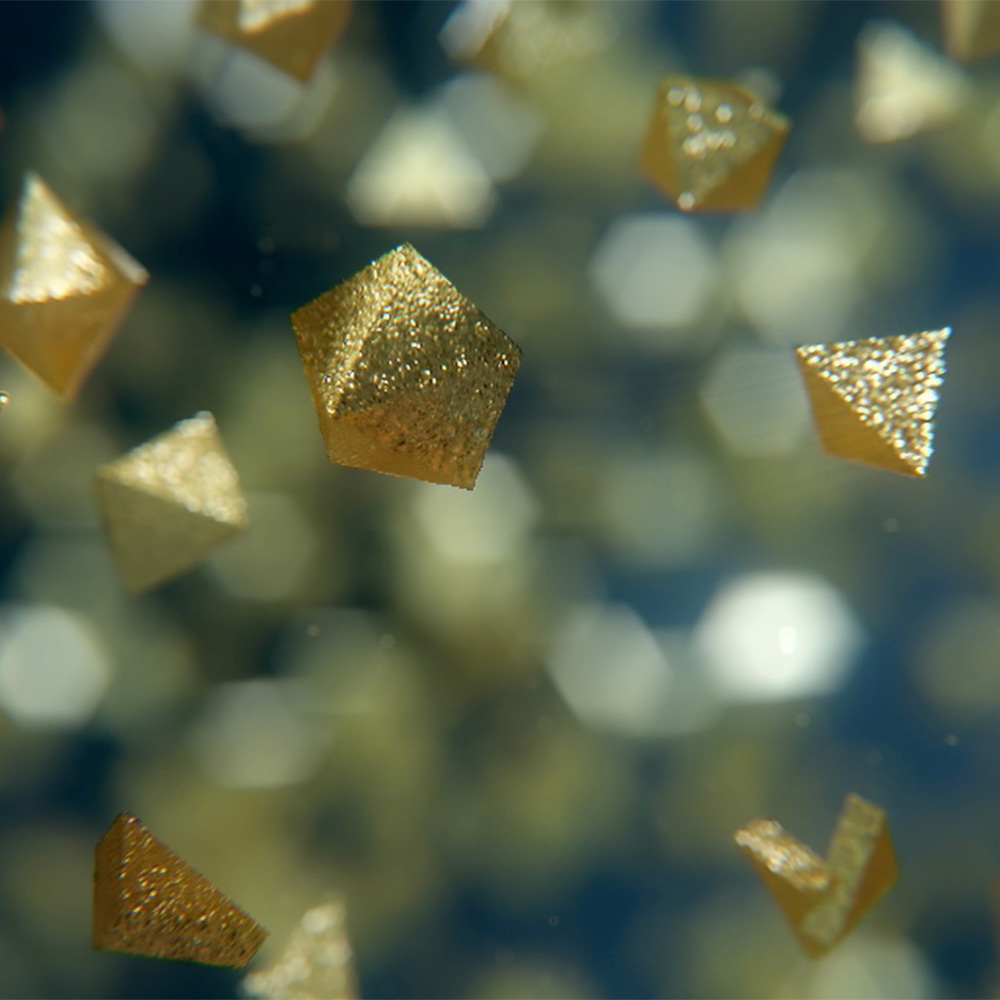
Results from phase two clinical trials at UT Southwestern Medical Center showed that a suspension of gold nanocrystals taken daily by patients with multiple sclerosis (MS) and Parkinson’s disease (PD) significantly reversed deficits of metabolites linked to energy activity in the brain and resulted
Intestinal bacteria release molecular ‘brake’ on weight gain: Newsroom - UT Southwestern, Dallas, Texas
https://www.utsouthwestern.edu/newsroom/articles/year-2023/aug-intestinal-bacteria-weight-gain.html

Bacteria that live in the intestines inhibit a molecule that limits the amount of fat absorbed, increasing weight gain in mice fed a high-sugar, high-fat diet, researchers from UT Southwestern Medical Center report.
UT Southwestern designated one of 12 elite Nutrition Obesity Research Centers in the nation: Newsroom - UT Southwestern, Dallas, Texas
https://www.utsouthwestern.edu/newsroom/articles/year-2022/september-nutrition-obesity-research-center.html
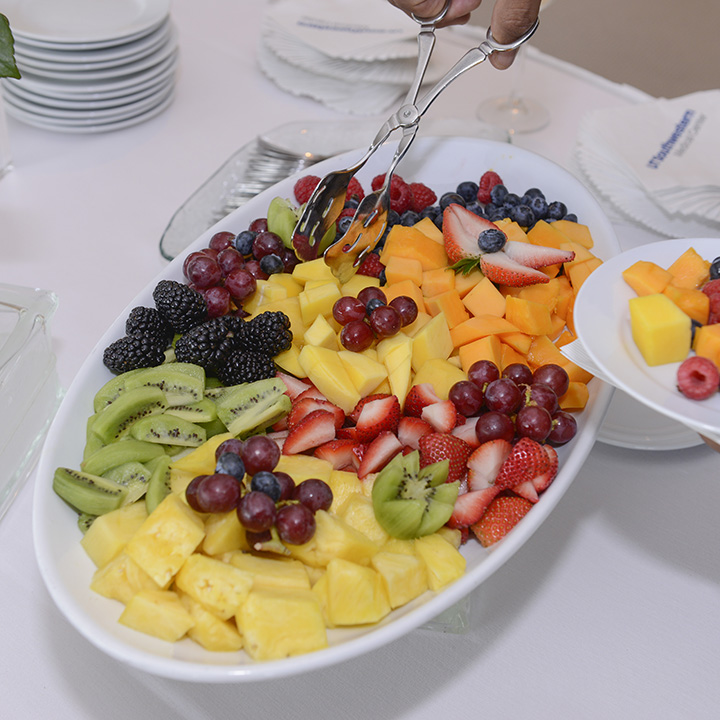
UT Southwestern Medical Center has been selected to be one of 12 NIH Nutrition Obesity Research Centers in the nation – and the only one in Texas – to investigate the causes, prevention, and treatment options for obesity, a chronic disease affecting more than 40% of the U.S. population with medical
UT Southwestern toxicologist offers tips to keep food safe during summer grilling season: Newsroom - UT Southwestern, Dallas, Texas
https://www.utsouthwestern.edu/newsroom/articles/year-2023/june-food-safety-summer-grilling-season.html
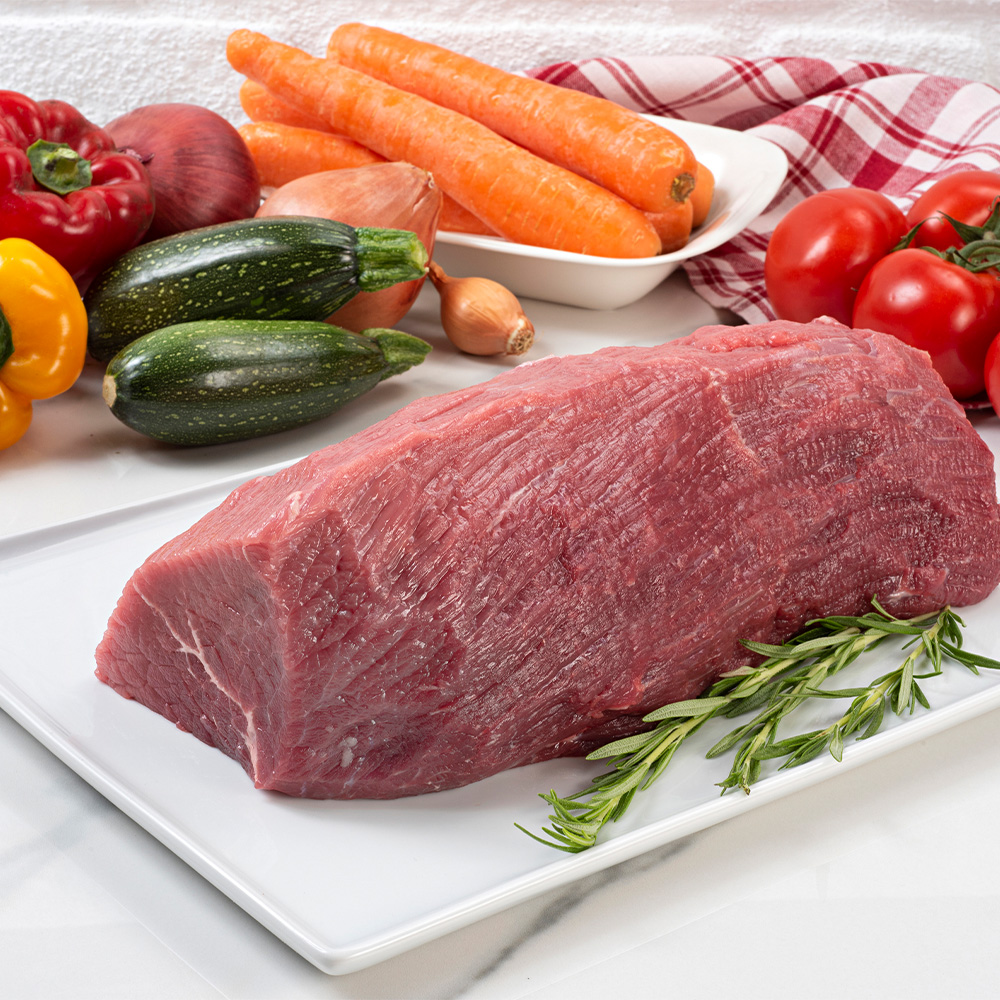
The arrival of warmer temperatures marks the return of a cherished summer activity: backyard grilling. A UT Southwestern Medical Center toxicologist offers some cautionary guidelines to help you and your guests avoid food poisoning.
UTSW team’s new AI method may lead to ‘automated scientists’: Newsroom - UT Southwestern, Dallas, Texas
https://www.utsouthwestern.edu/newsroom/articles/year-2024/feb-ai-method-automated-scientists.html
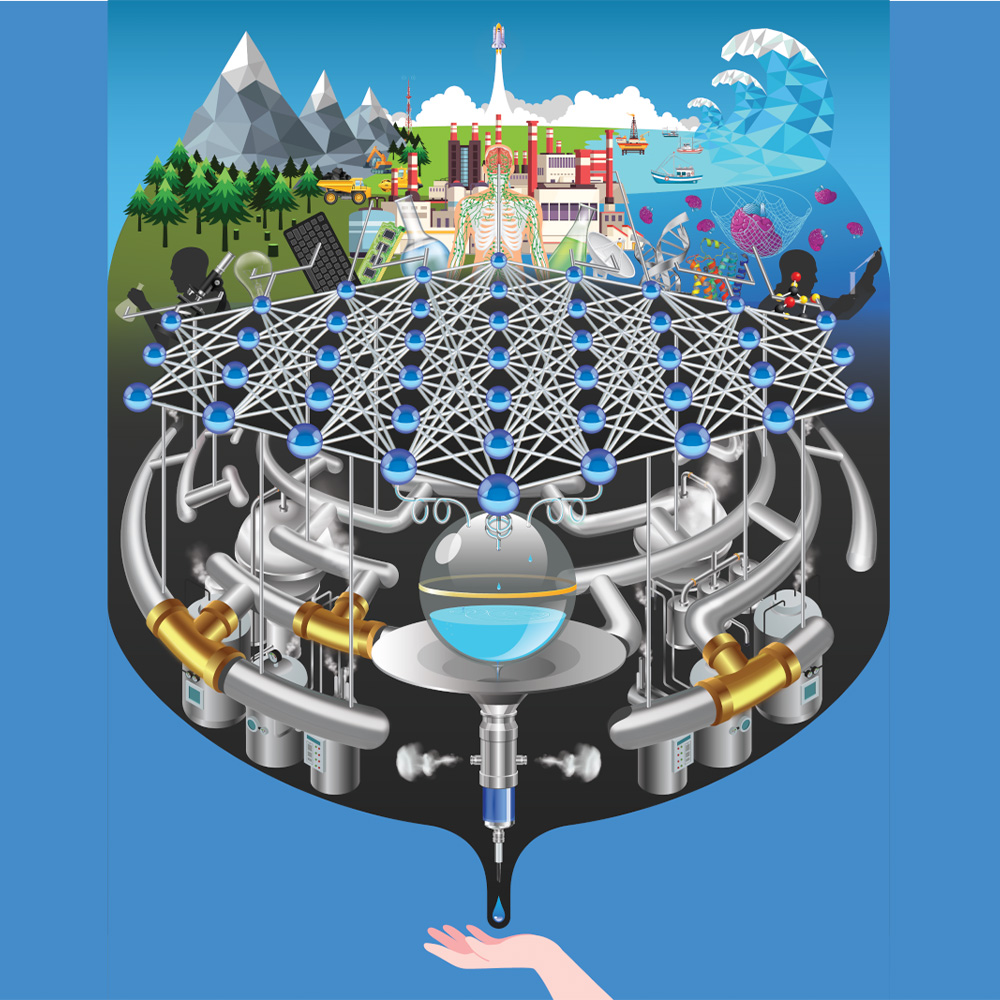
UT Southwestern Medical Center researchers have developed an artificial intelligence (AI) method that writes its own algorithms and may one day operate as an “automated scientist” to extract the meaning behind complex datasets.
Artificial intelligence successfully predicts protein interactions: Newsroom - UT Southwestern, Dallas, Texas
https://www.utsouthwestern.edu/newsroom/articles/year-2021/artificial-intelligence-successfully-predicts-protein-interactions.html
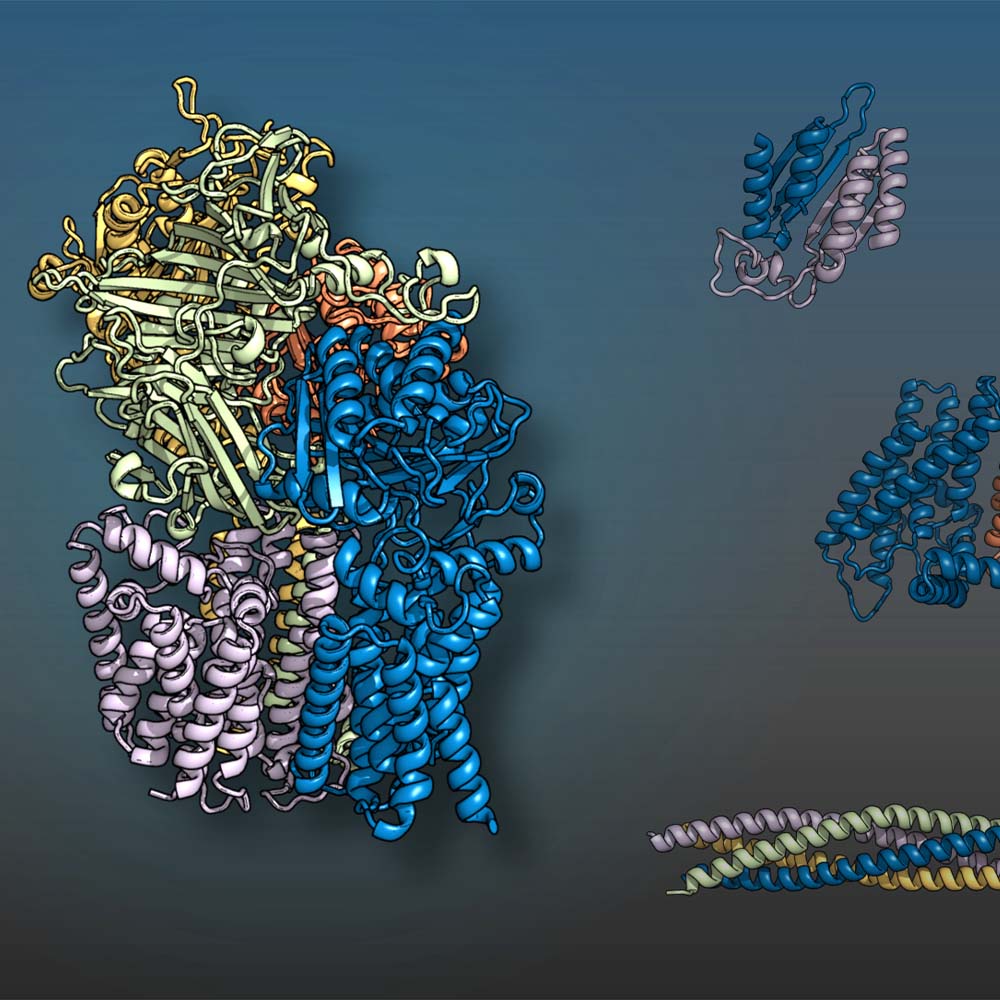
UT Southwestern and University of Washington researchers led an international team that used artificial intelligence (AI) and evolutionary analysis to produce 3D models of eukaryotic protein interactions.