
Search
Defect in gene caused massive obesity in mice despite normal food intake: Newsroom - UT Southwestern, Dallas, Texas
https://www.utsouthwestern.edu/newsroom/articles/year-2022/october-defect-in-gene.html

A faulty gene, rather than a faulty diet, may explain why some people gain excessive weight even when they don’t eat more than others.
Surveillance pathway tells cells when they run low on lipids: Newsroom - UT Southwestern, Dallas, Texas
https://www.utsouthwestern.edu/newsroom/articles/year-2022/low-on-lipids.html
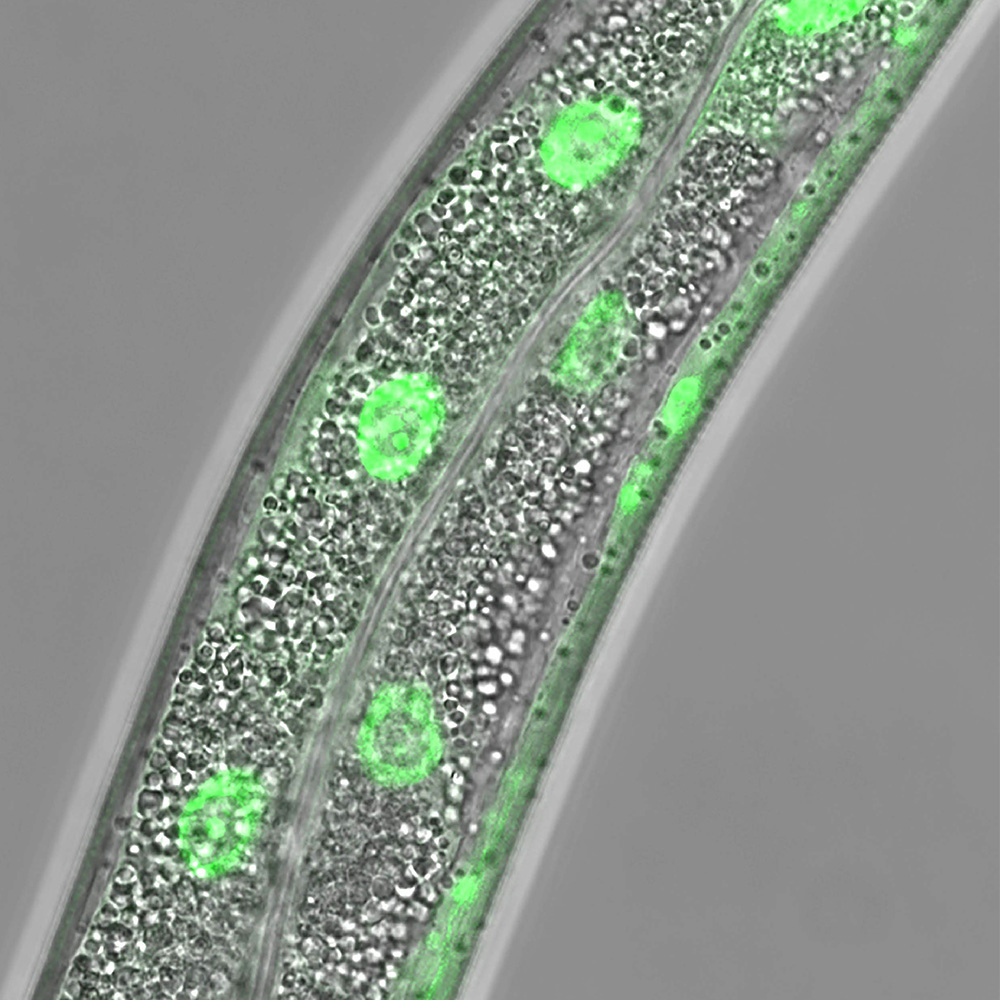
UT Southwestern researchers have discovered a molecular pathway that allows cells to sense when their lipid supplies become depleted, prompting a flurry of activity that prevents starvation. The findings, reported in Nature, might someday lead to new ways to combat metabolic disorders and a variety
ApoB test may be more accurate measure of heart disease risk: Newsroom - UT Southwestern, Dallas, Texas
https://www.utsouthwestern.edu/newsroom/articles/year-2024/aug-apob-test.html
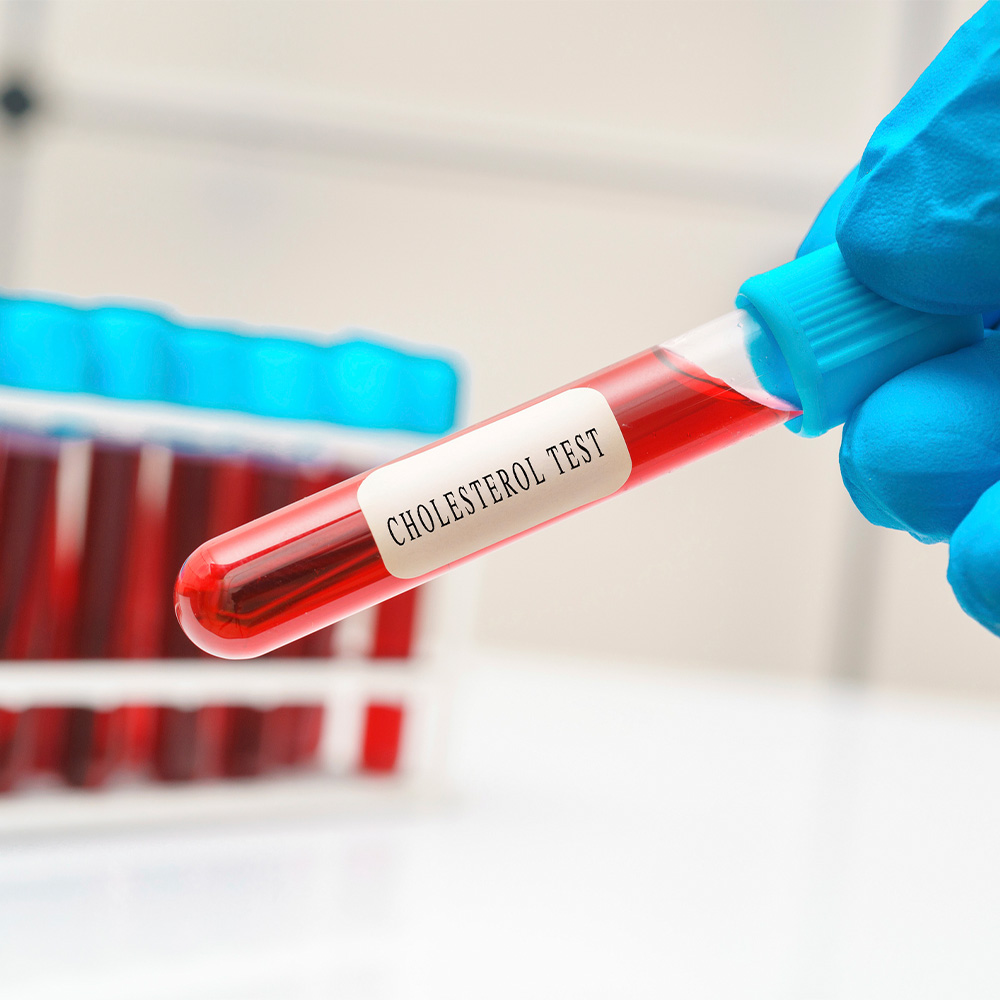
The traditional lipid panel may not give the full picture of cholesterol-related heart disease risk for many Americans, according to a study led by UT Southwestern Medical Center researchers and published in JAMA Cardiology.
Don’t put nutrition on the back burner for your summer menu: Newsroom - UT Southwestern, Dallas, Texas
https://www.utsouthwestern.edu/newsroom/articles/year-2023/july-summer-menu.html

Whether you’re hosting summer backyard cookouts or escaping the heat with indoor gatherings, a nutrition expert at UT Southwestern Medical Center says there are lots of options for adding some nutrition to your plate.
Changes in circadian rhythms linked to higher dementia risk: Newsroom - UT Southwestern, Dallas, Texas
https://www.utsouthwestern.edu/newsroom/articles/year-2026/jan-circadian-rhythms-higher-dementia-risk.html

Disruptions in patterns of daily activity and rest may provide early clues to heightened dementia risk, a study co-led by a UT Southwestern Medical Center scientist found.
UT Southwestern ranks nationally, regionally among 'Best Hospitals': Newsroom - UT Southwestern, Dallas, Texas
https://www.utsouthwestern.edu/newsroom/articles/year-2020/best-regional-hospital.html
UT Southwestern Medical Center is the No. 1 hospital in Dallas-Fort Worth – the nation’s fourth-largest metro area – and ranks among the top 50 hospitals nationally in 10 specialties ranging from brain to heart care.
Cryo-EM technology reveals how vitamin K works in the body : Newsroom - UT Southwestern, Dallas, Texas
https://www.utsouthwestern.edu/newsroom/articles/year-2025/feb-cryo-em-technology-vitamin-k.html
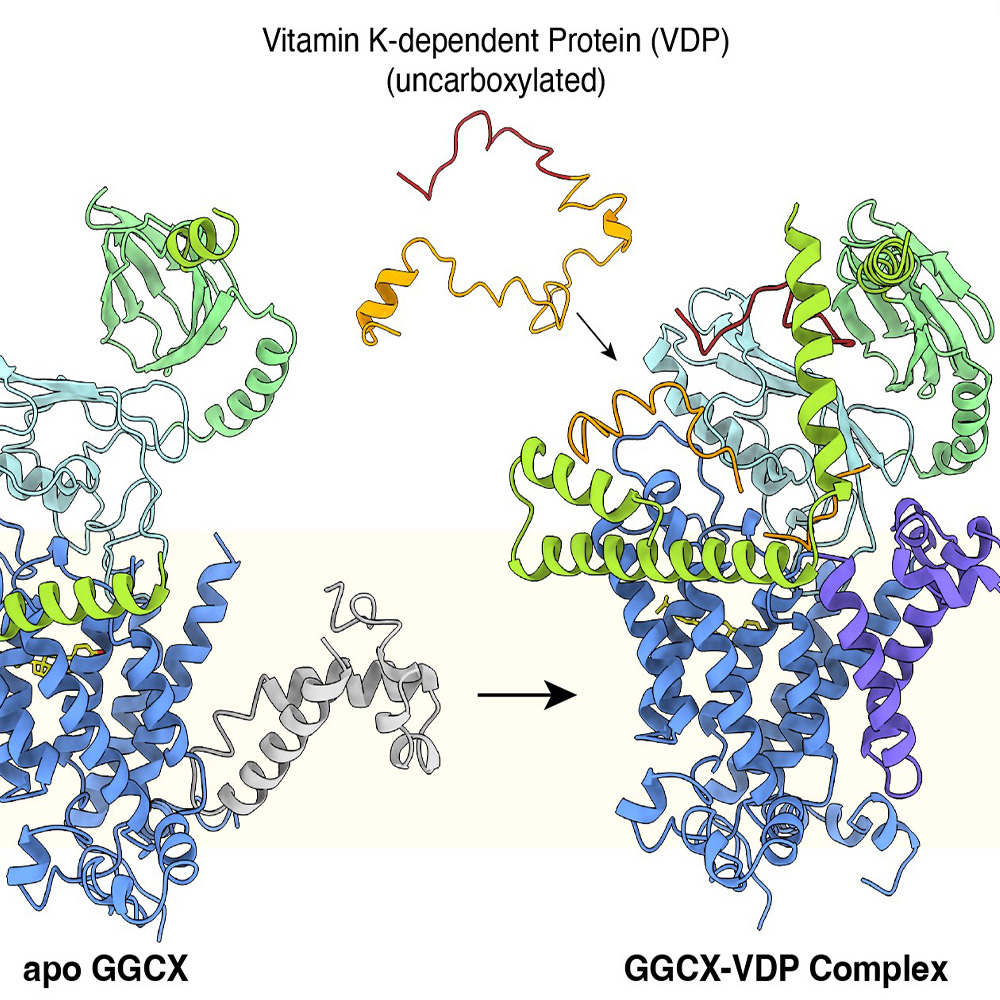
Using a powerful microscopy technique, a team led by researchers at UT Southwestern Medical Center has gained insights into how the body uses vitamin K, an essential nutrient that plays a pivotal role in blood clotting and other physiological functions.
Study reveals cellular recycling process key to human health : Newsroom - UT Southwestern, Dallas, Texas
https://www.utsouthwestern.edu/newsroom/articles/year-2025/feb-key-mechanism-for-endosomal-recycling.html
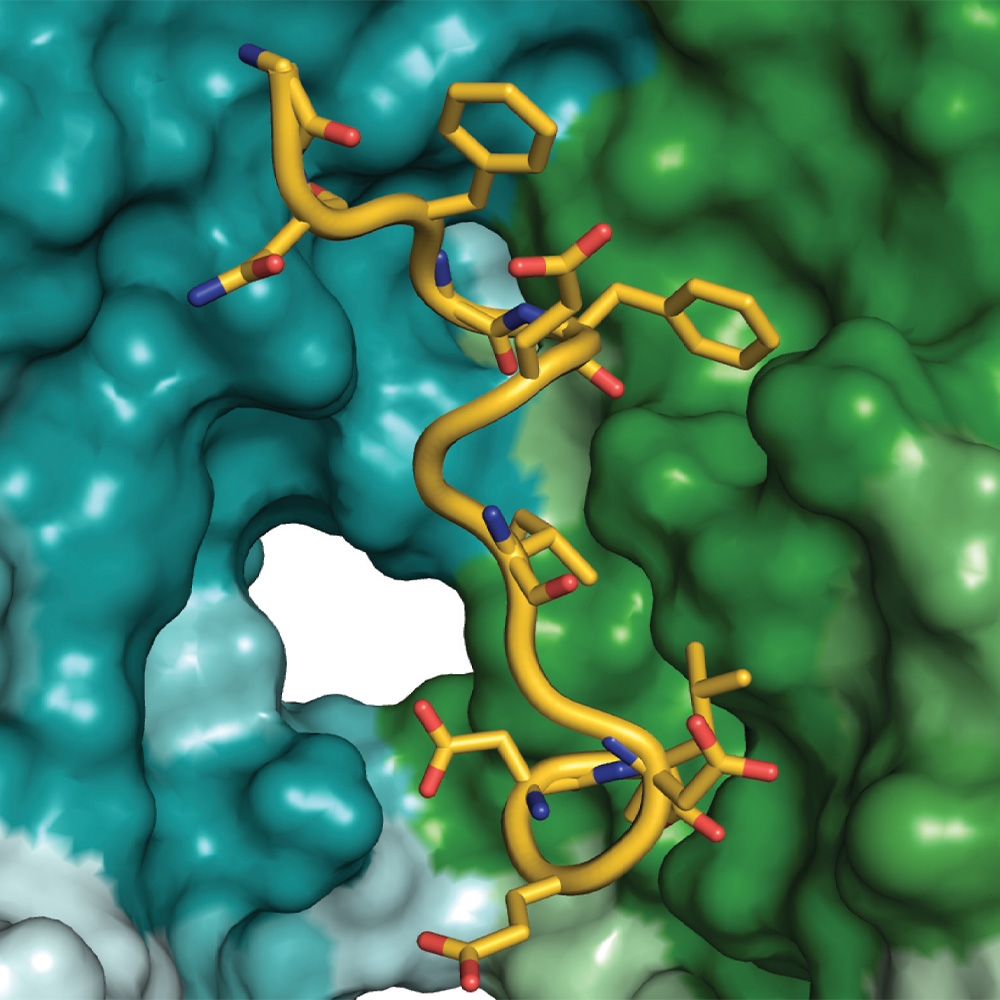
A team led by UT Southwestern Medical Center researchers has identified a key mechanism responsible for endosomal recycling in cells, a process critical to human health. Their findings, published in Nature Communications, answer a fundamental question in cell biology and could lead to therapies for
Popular diabetes/weight-loss drugs show additional benefit : Newsroom - UT Southwestern, Dallas, Texas
https://www.utsouthwestern.edu/newsroom/articles/year-2025/feb-diabetes-weight-loss-drugs.html

A well-known class of drugs used to manage Type 2 diabetes and control weight could offer hope for patients who also struggle with related chronic kidney disease (CKD), researchers at UT Southwestern Medical Center found.
Same difference: Predicting divergent paths of genetically identical cells: Newsroom - UT Southwestern, Dallas, Texas
https://www.utsouthwestern.edu/newsroom/articles/year-2021/predicting-divergent-paths-of-genetically-identical-cells.html
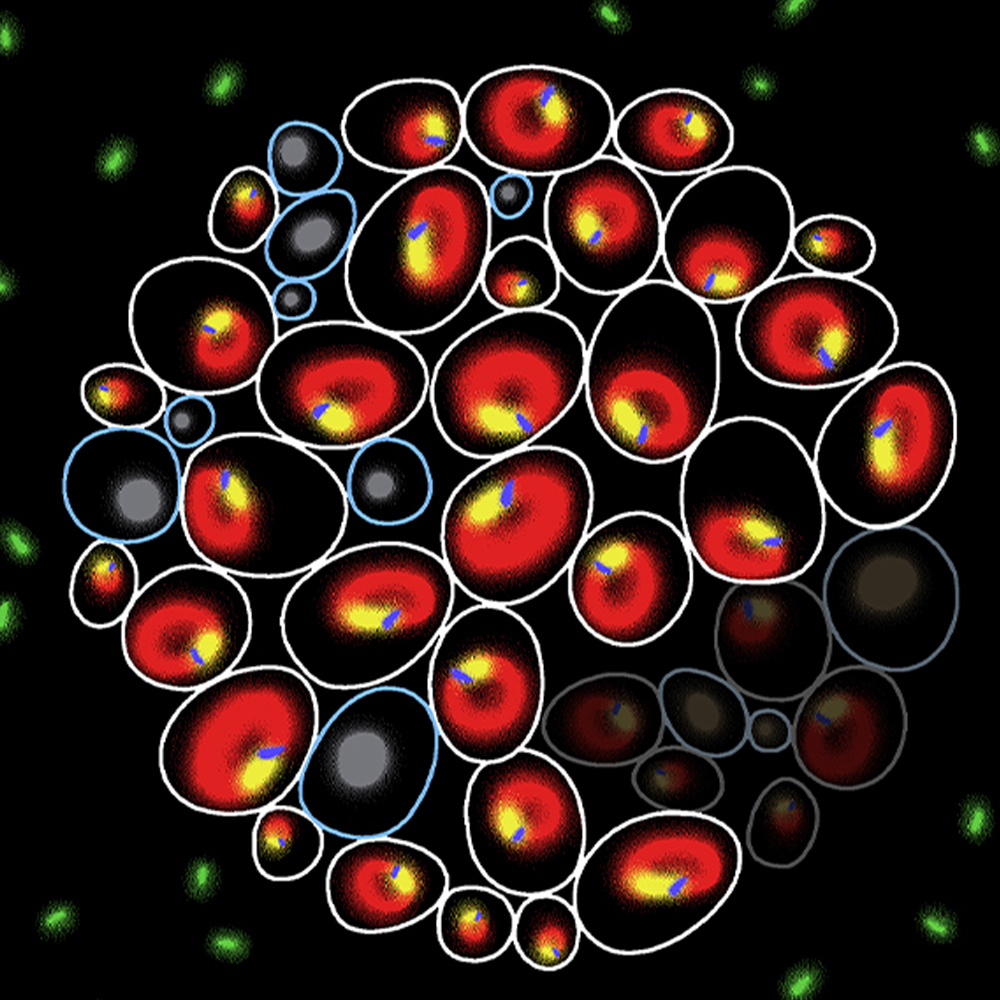
A set of biomarkers not traditionally associated with cell fate can accurately predict how genetically identical cells behave differently under stress, according to a UT Southwestern study.