
Search
Unraveling the mystery of misfolded proteins in the brain: Newsroom - UT Southwestern, Dallas, Texas
https://www.utsouthwestern.edu/newsroom/articles/year-2024/april-misfolded-proteins-in-the-brain.html

Proteins known as oligomeric chaperones help suppress the formation of misshaped proteins that cause a variety of degenerative and neurodegenerative diseases, such as Alzheimer’s, Huntington’s, and Parkinson’s.
Putting a protein into overdrive to heal spinal cord injuries: Newsroom - UT Southwestern, Dallas, Texas
https://www.utsouthwestern.edu/newsroom/articles/year-2021/heal-spinal-cord-injuries.html
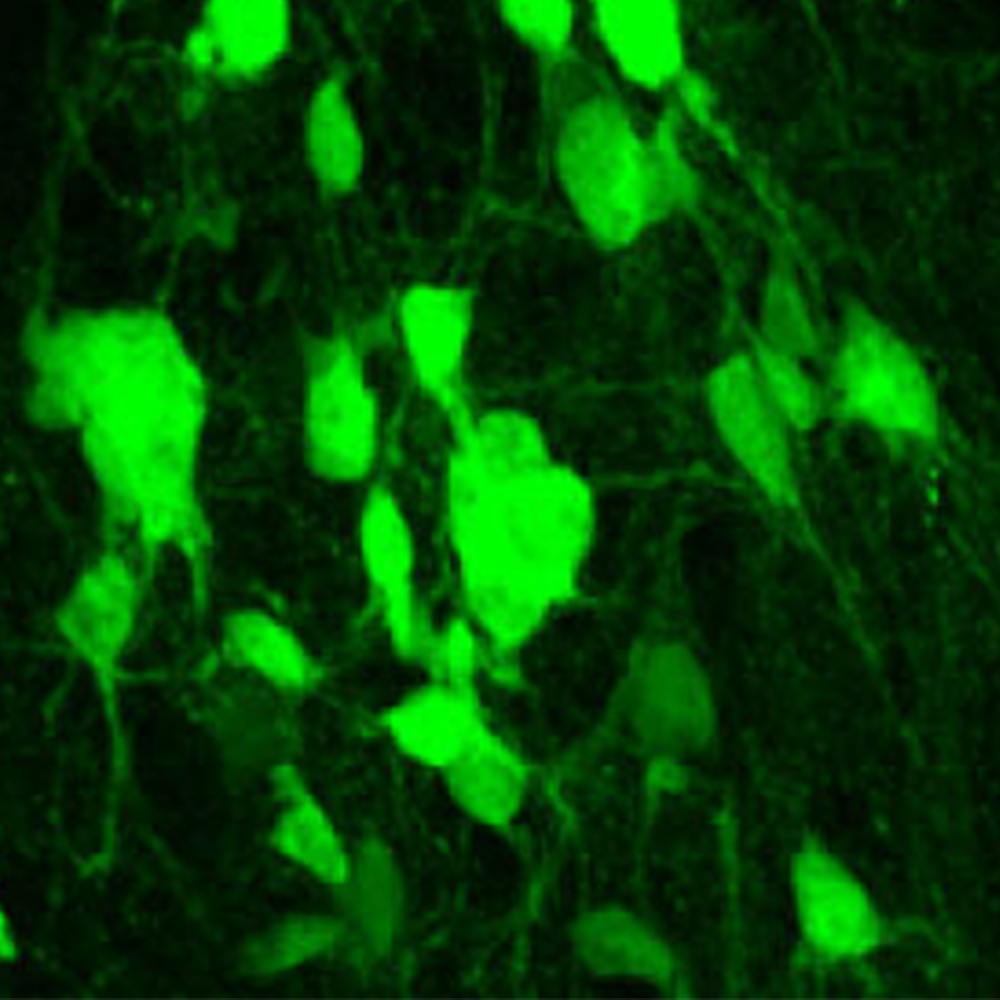
Using genetic engineering, researchers at UT Southwestern and Indiana University have reprogrammed scar-forming cells in mouse spinal cords to create new nerve cells, spurring recovery after spinal cord injury.
Reestablish consistent sleep patterns to adjust to daylight saving time: Newsroom - UT Southwestern, Dallas, Texas
https://www.utsouthwestern.edu/newsroom/articles/year-2023/march-daylight-saving-time.html

If you’re feeling tired this coming week, don’t be surprised. Moving our clocks ahead one hour to shift into daylight saving time (which occurs at 2 a.m. Sunday) disrupts the body’s biological clock, affecting sleep patterns and how we function, according to a UT Southwestern Medical Center
SORTing gene editing tools to where they're needed - UT Southwestern, Dallas, Texas
https://www.utsouthwestern.edu/newsroom/articles/year-2020/sorting-gene-editing-tools.html

Scientists at UTSW have developed a technology that shuttles nanoparticles carrying gene editing and protein replacement tools to the specific tissues where they're needed.
Even with regular exercise, astronaut’s heart left smaller after a year in space : Newsroom - UT Southwestern, Dallas, Texas
https://www.utsouthwestern.edu/newsroom/articles/year-2021/astronauts-heart-left-smaller.html

With NASA preparing to send humans to Mars in the 2030s, researchers are studying the physical effects of spending long periods in space.
Experimental compound extends life in ALS mouse model: Newsroom - UT Southwestern, Dallas, Texas
https://www.utsouthwestern.edu/newsroom/articles/year-2024/feb-als-mouse-model.html
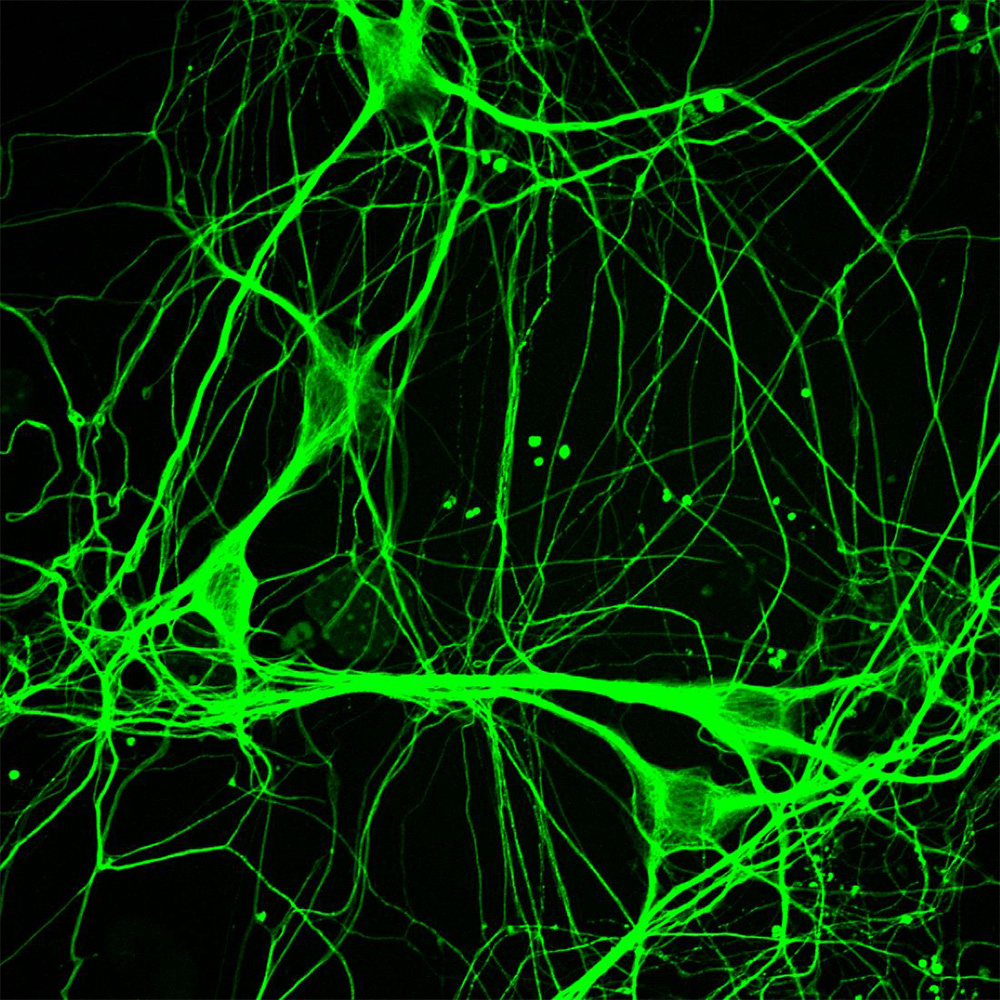
UT Southwestern Medical Center researchers have identified an experimental molecular compound that significantly improved survival among cellular models and mouse models of amyotrophic lateral sclerosis (ALS), the fatal neurodegenerative disease.
How human cells and pathogenic shigella engage in battle: Newsroom - UT Southwestern, Dallas, Texas
https://www.utsouthwestern.edu/newsroom/articles/year-2021/human-cells-and-pathogenic-shigella.html
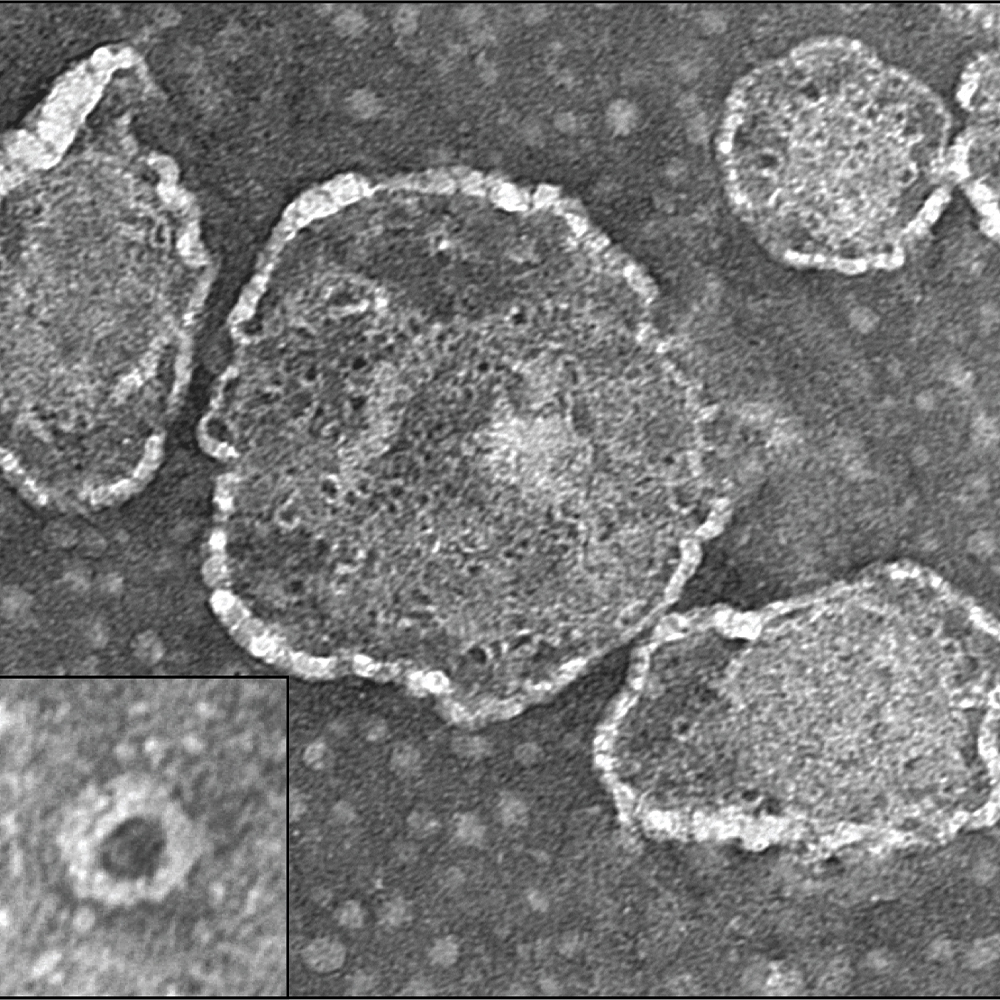
One member of a large protein family that is known to stop the spread of bacterial infections by prompting infected human cells to self-destruct appears to kill the infectious bacteria instead.
Robotic total knee replacement improves outcomes but costs more: Newsroom - UT Southwestern, Dallas, Texas
https://www.utsouthwestern.edu/newsroom/articles/year-2024/may-robotic-knee-replacement.html
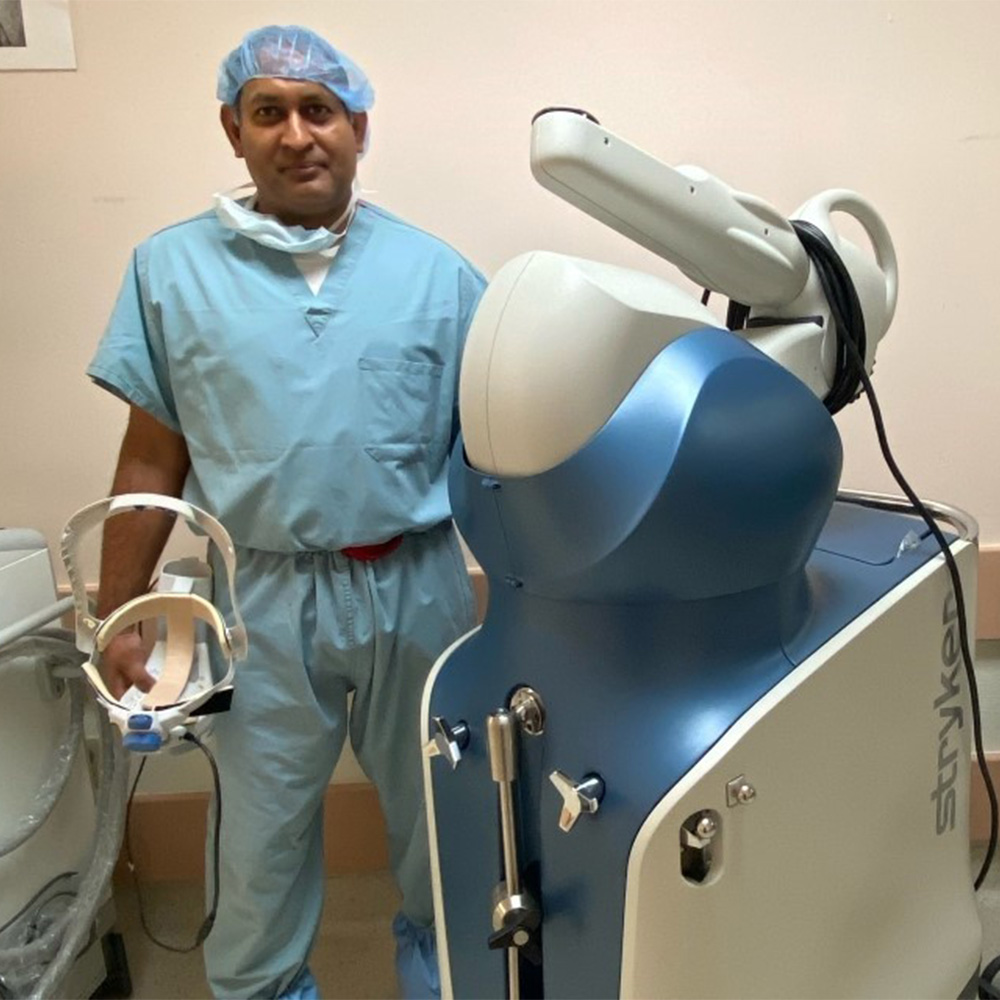
Total knee replacements performed with the help of a surgical robot have better outcomes on average than similar surgeries performed manually but can cost significantly more, a new study by UT Southwestern Medical Center researchers shows.
UT Southwestern orthopedic surgeon first in Texas to use AR shoulder replacement surgery: Newsroom - UT Southwestern, Dallas, Texas
https://www.utsouthwestern.edu/newsroom/articles/year-2021/ar-shoulder-replacement-surgery.html
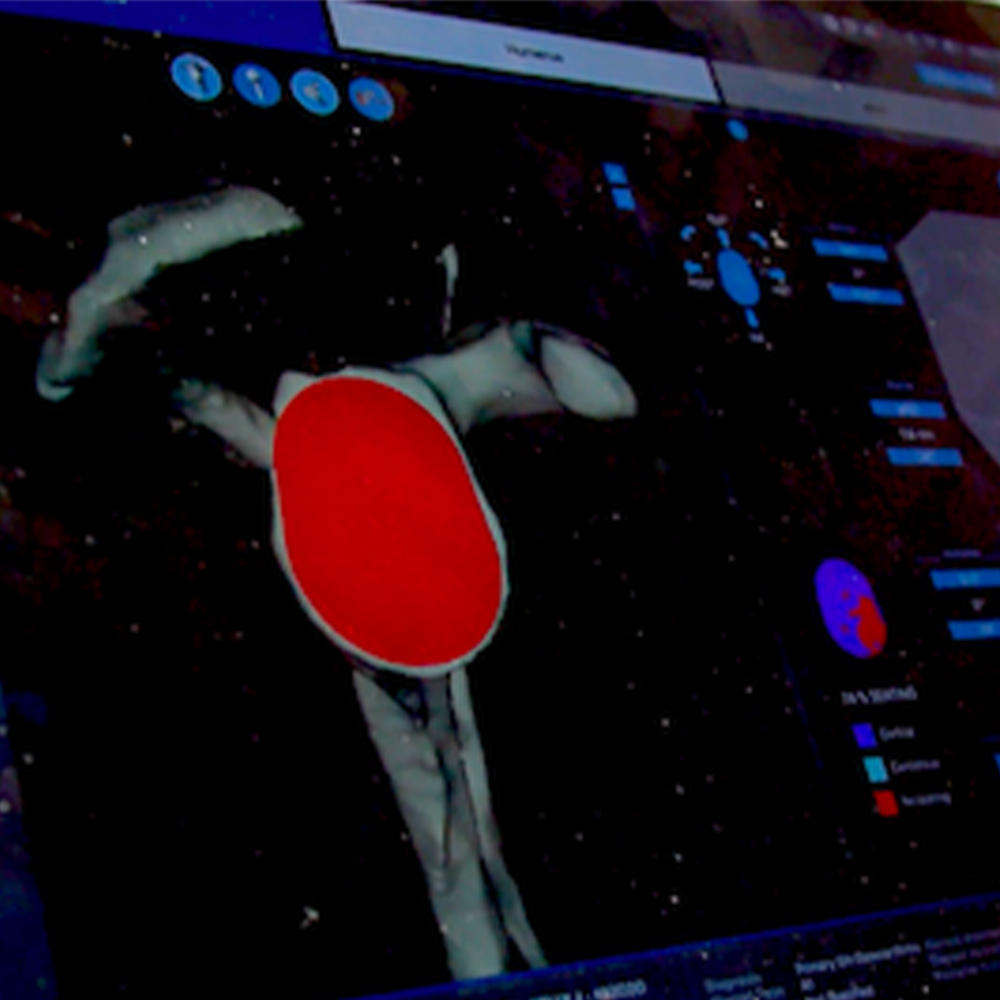
UT Southwestern Medical Center is one of just 15 surgical centers in the world using next-generation augmented reality (AR) in the operating room for shoulder arthroplasty.
Gene for sex hormone synthesis could play key role in eczema: Newsroom - UT Southwestern, Dallas, Texas
https://www.utsouthwestern.edu/newsroom/articles/year-2021/gene-for-sex-hormone-synthesis.html
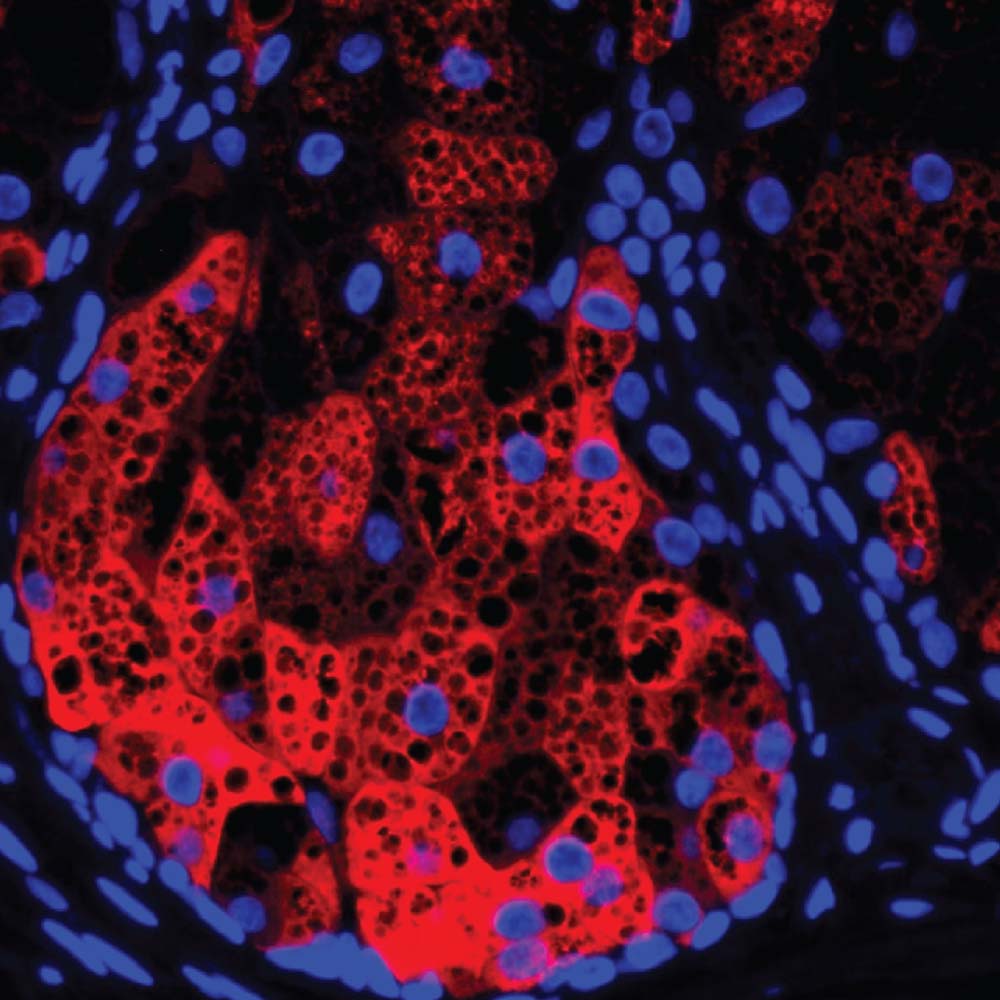
A study led by UT Southwestern dermatologists suggests that a common inflammatory skin condition may stem from poorly regulated sex hormones.