
Search
Study identifies characteristics specific to human brains: Newsroom - UT Southwestern, Dallas, Texas
https://www.utsouthwestern.edu/newsroom/articles/year-2023/aug-characteristics-human-brains.html
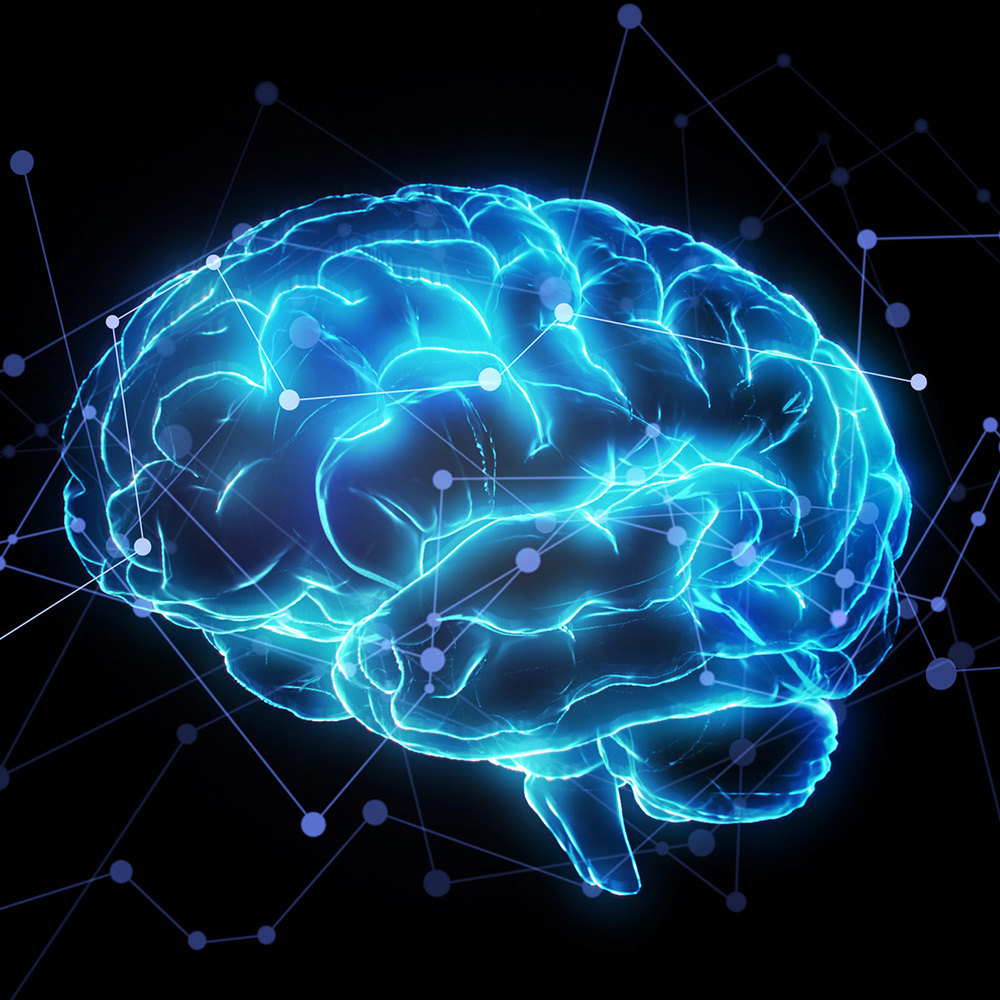
Researchers led by a team at UT Southwestern Medical Center have identified cellular and molecular features of the brain that set modern humans apart from their closest primate relatives and ancient human ancestors. The findings, published in Nature, offer new insights into human brain evolution.
Liver transplant survivor’s recovery linked to sociodemographic factors, UTSW study shows: Newsroom - UT Southwestern, Dallas, Texas
https://www.utsouthwestern.edu/newsroom/articles/year-2023/april-liver-transplant-survivors.html

The resilience and coping abilities of post-liver transplantation patients vary and change over time and are often linked to sociodemographic factors including income, race, and education, a study led by UT Southwestern Medical Center researchers shows.
UTSW Research: Alcohol-associated liver disease, depression treatment, and more: Newsroom - UT Southwestern, Dallas, Texas
https://www.utsouthwestern.edu/newsroom/articles/year-2024/sept-research-roundup.html
Researchers have long known that outcomes for alcohol-associated liver disease (ALD) aren’t equal among all races and ethnicities in the U.S., but differences among these groups have been less clear.
UT Southwestern, Children’s Health to lead clinical trial on pediatric cancer patients: Newsroom - UT Southwestern, Dallas, Texas
https://www.utsouthwestern.edu/newsroom/articles/year-2023/april-immunotherapy-for-solid-tumors.html
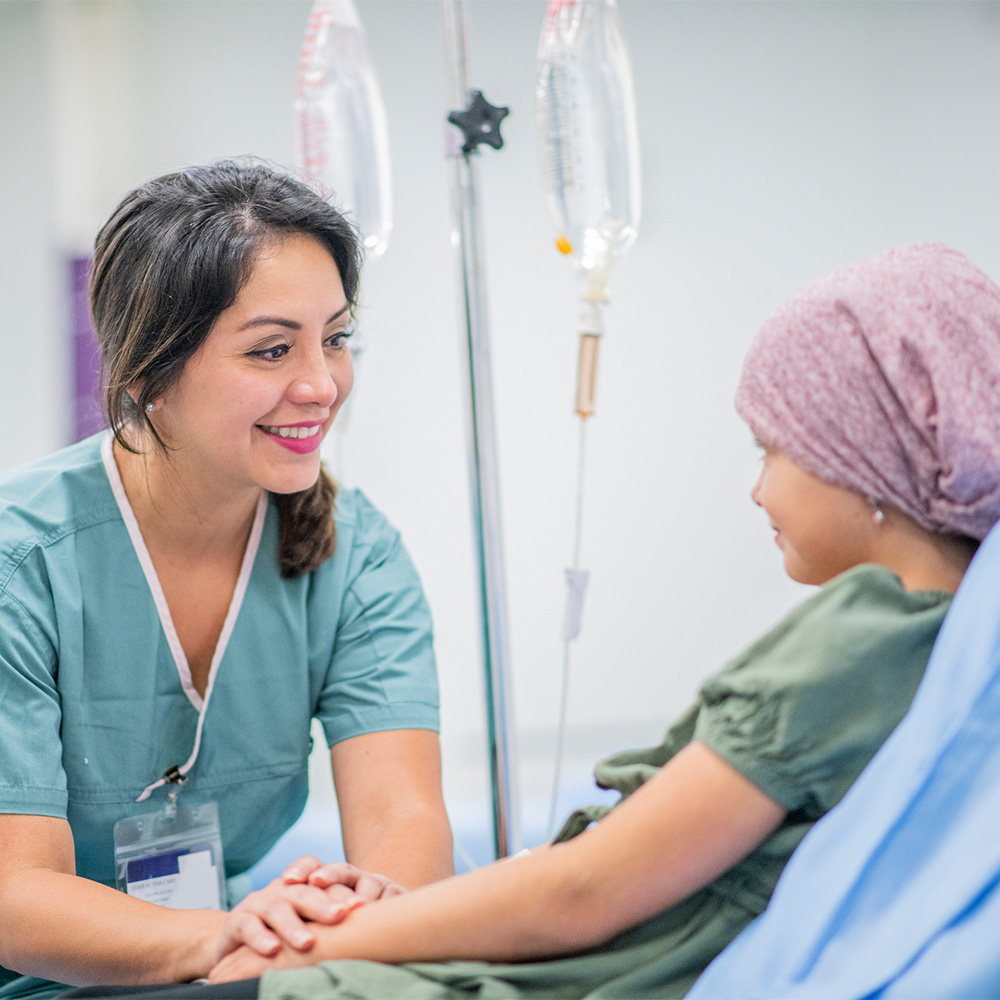
UT Southwestern Medical Center will lead a national multicenter clinical trial to test a treatment strategy for pediatric cancer patients that has shown promising results in adults.
UTSW study reveals how key protein affects neuron structure: Newsroom - UT Southwestern, Dallas, Texas
https://www.utsouthwestern.edu/newsroom/articles/year-2024/sept-torsinA.html
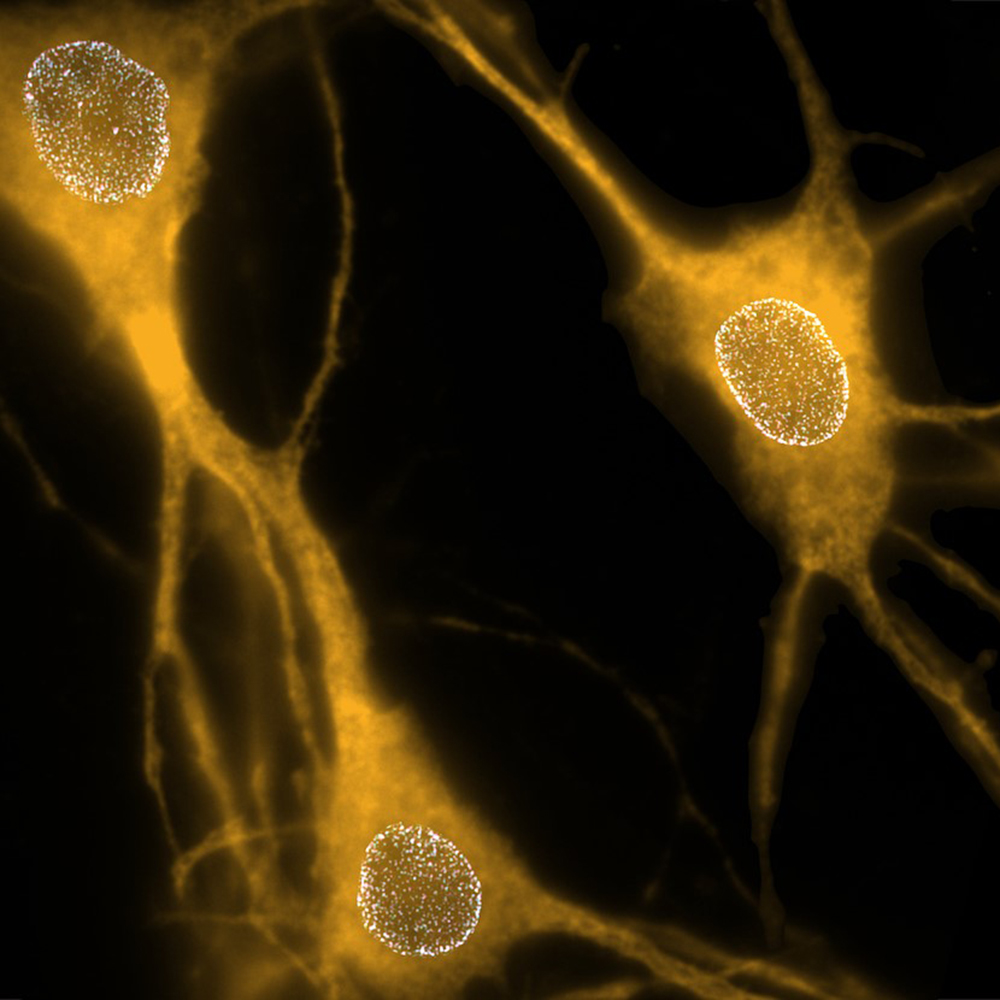
A protein called torsinA plays a key role in the early development of neurons, determining where nuclear pores are placed in the membrane that encloses the nucleus of nerve cells, a study led by UT Southwestern Medical Center researchers shows.
Manipulating mitochondrial shape may limit metastatic cancer, UT Southwestern study finds: Newsroom - UT Southwestern, Dallas, Texas
https://www.utsouthwestern.edu/newsroom/articles/year-2023/june-manipulating-mitochondrial-shape.html
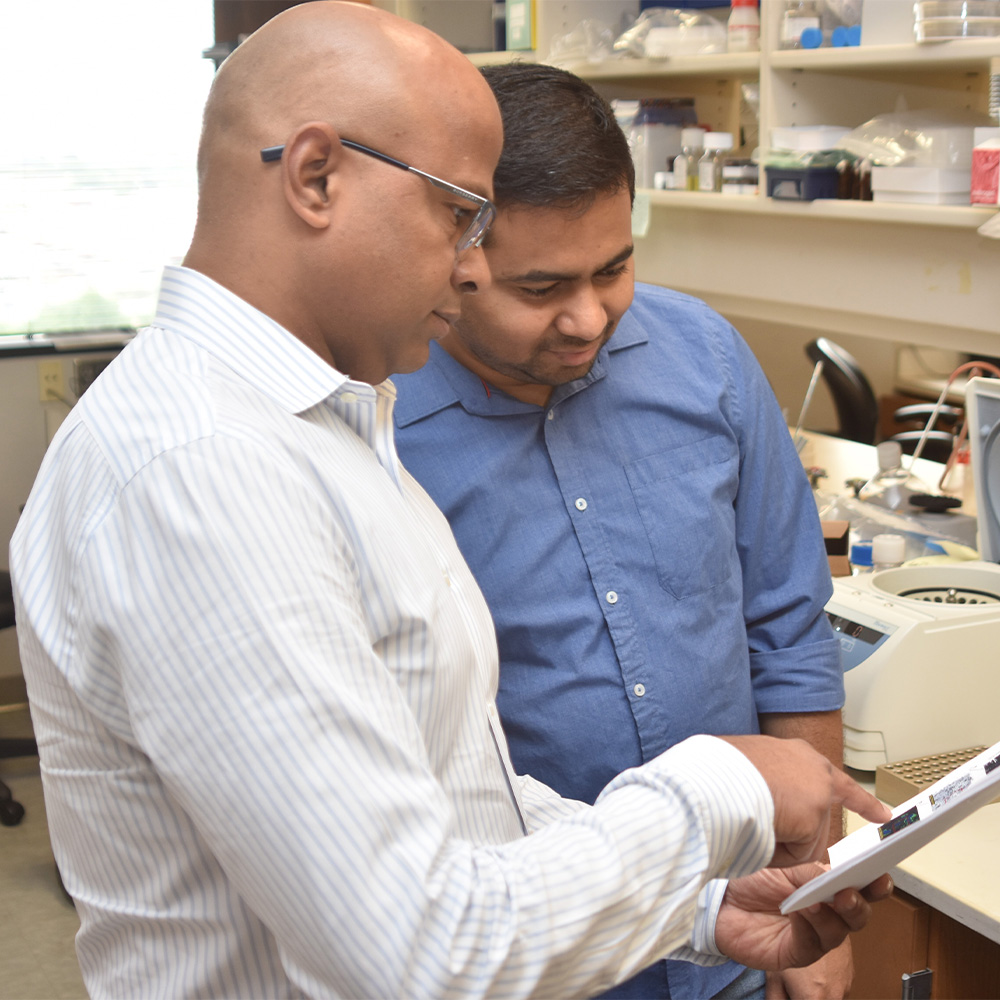
Mitochondria that power cellular activity fragment and change shape in breast cancer cells that migrate to the brain, an adaptation that appears necessary for the cells to survive, UT Southwestern Medical Center researchers report in a new study. The findings, published in Nature Cancer, could lead
Patient Notification: Newsroom - UT Southwestern, Dallas, Texas
https://www.utsouthwestern.edu/newsroom/articles/year-2024/sept-patient-notification.html
UT Southwestern is notifying patients treated by UT Southwestern physicians of improper disclosure of protected health information.
Novel microscopy method at UT Southwestern provides look into future of cell biology: Newsroom - UT Southwestern, Dallas, Texas
https://www.utsouthwestern.edu/newsroom/articles/year-2021/novel-microscopy-method.html
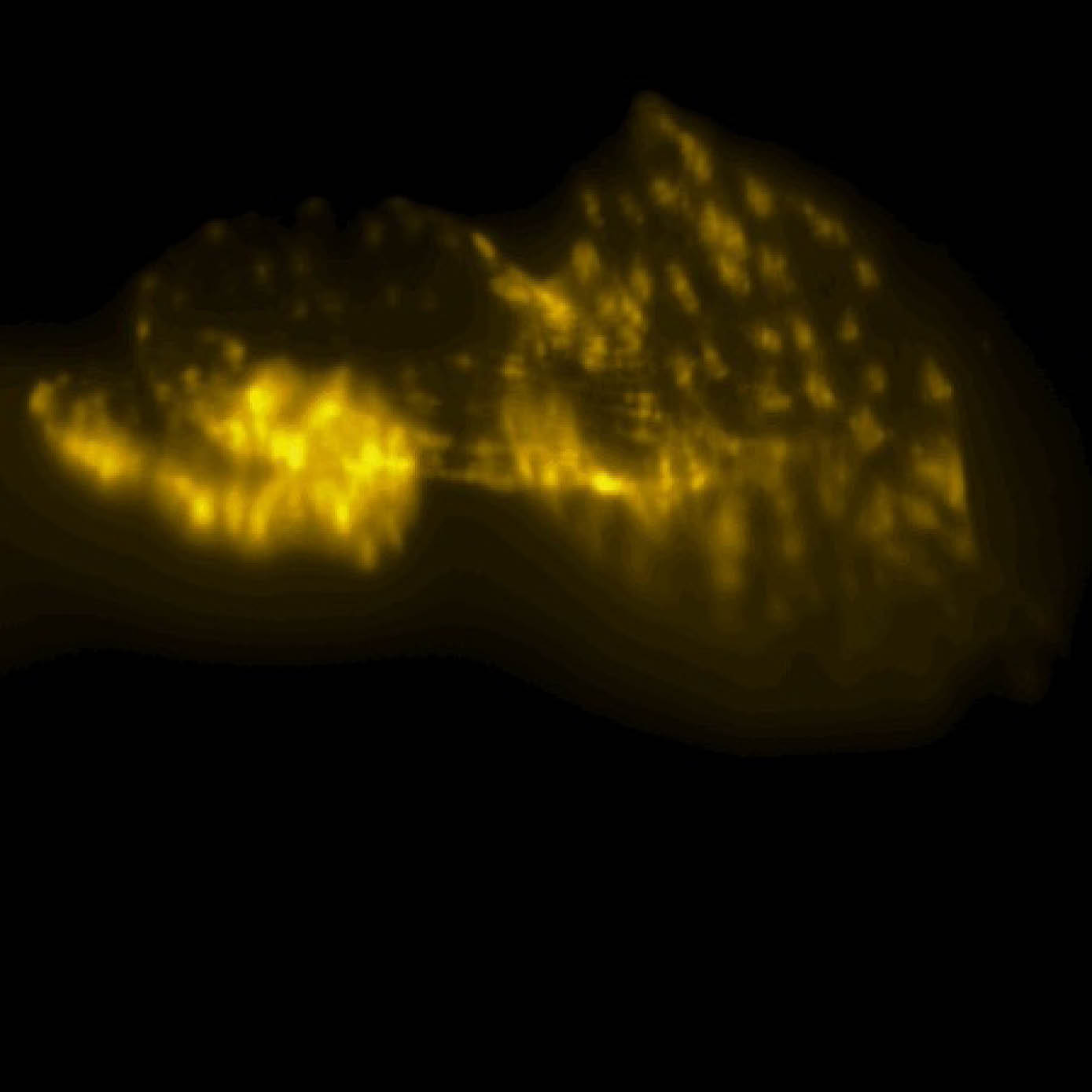
What if a microscope allowed us to explore the 3D microcosm of blood vessels, nerves, and cancer cells instantaneously in virtual reality?
International policy adviser, epidemiologist Dr. Saad Omer selected inaugural dean for UT Southwestern’s O’Donnell School of Public Health: Newsroom - UT Southwestern, Dallas, Texas
https://www.utsouthwestern.edu/newsroom/articles/year-2023/january-omer-inaugural-dean.html
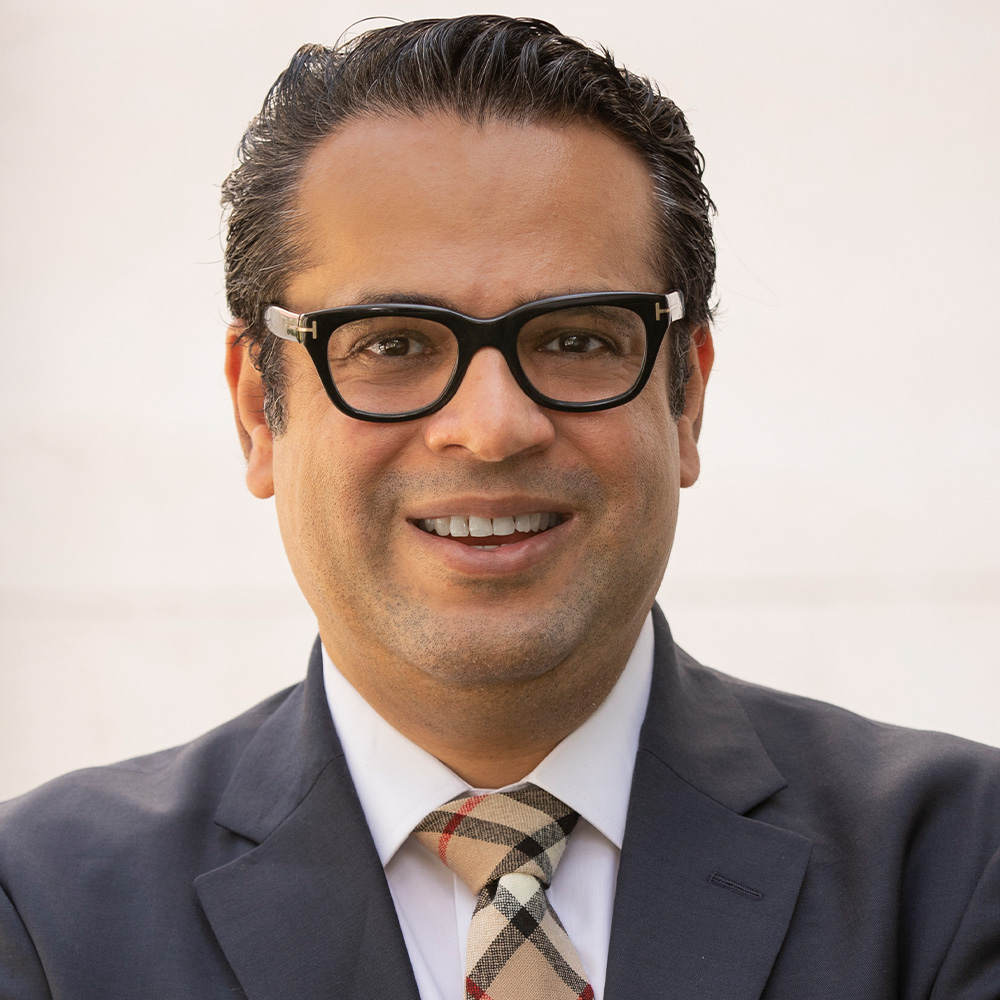
Internationally recognized epidemiologist Saad B. Omer, M.B.B.S, Ph.D., who currently directs the Yale Institute for Global Health, has been appointed the inaugural Dean of the Peter O’Donnell Jr. School of Public Health at UT Southwestern Medical Center.
A powerhouse of obesity research – then and now: Newsroom - UT Southwestern, Dallas, Texas
https://www.utsouthwestern.edu/newsroom/articles/year-2024/sept-obesity-research.html
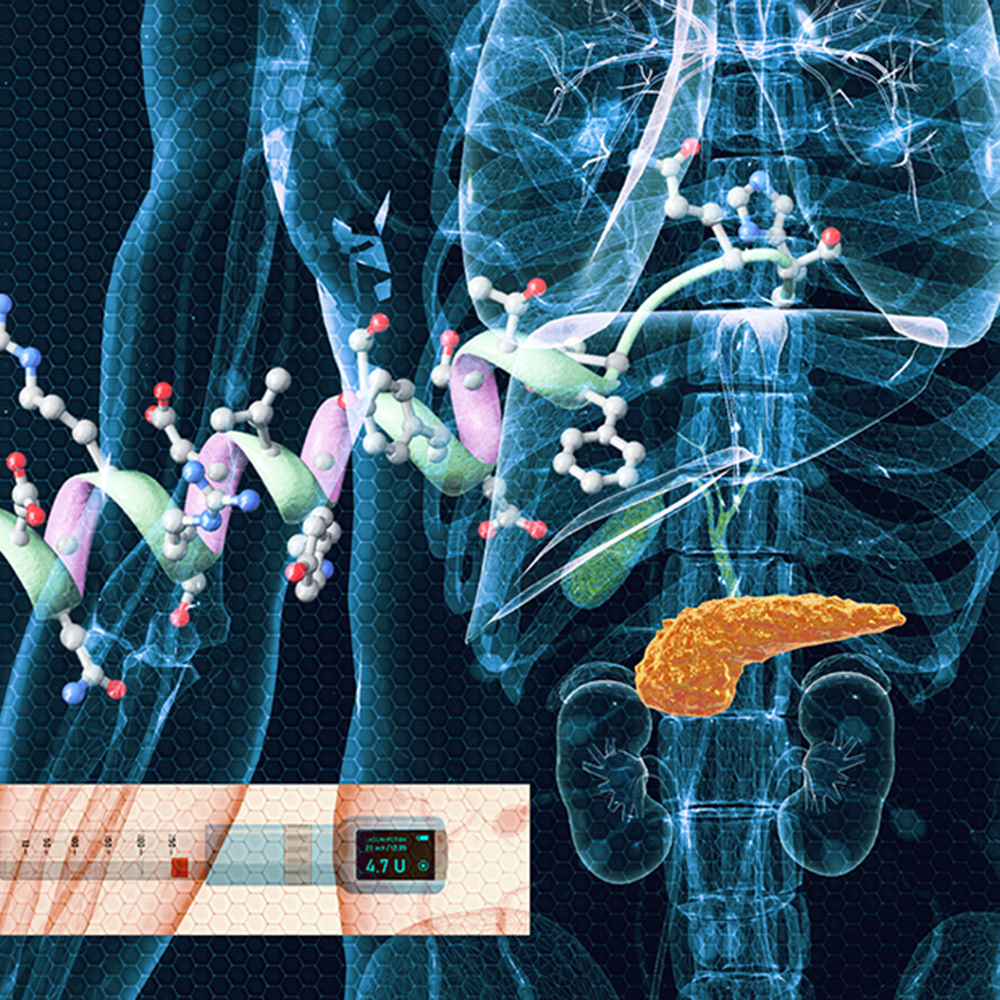
As weight-loss drugs capture the public’s imagination, UTSW and its Nutrition Obesity Research Center are uniquely positioned to lead the way in discovery, education, and community outreach.