
Search
UTSW researchers use DNA analysis to diagnose subtypes of heart disease – UT Southwestern Medical Center psychiatric hospital: Newsroom - UT Southwestern, Dallas, Texas
https://www.utsouthwestern.edu/newsroom/articles/year-2022/september-subtypes-of-heart-disease.html
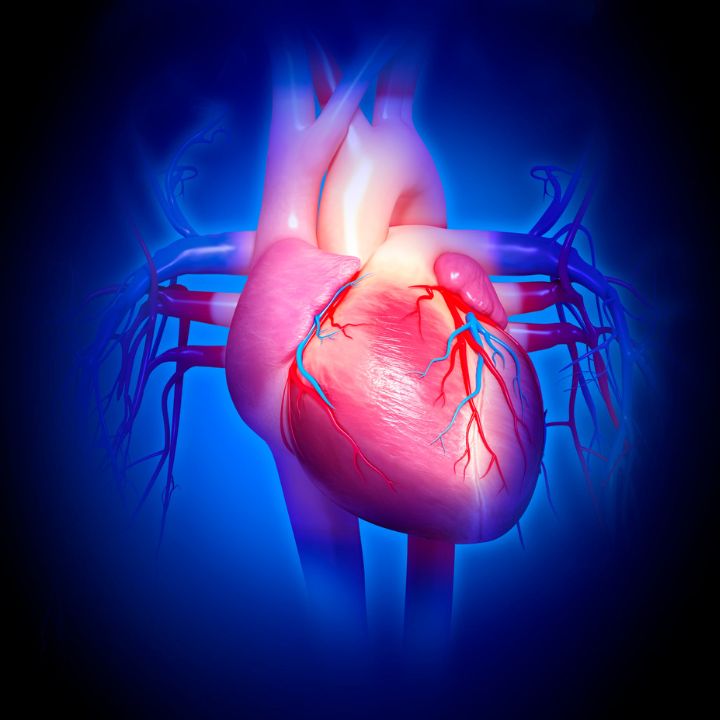
The human heart is an intricate, complex organ and, like a car that starts sputtering, its function deteriorates for all sorts of reasons.
National Cancer Institute renews $11.5 million program of excellence award in kidney cancer – UT Southwestern Medical Center psychiatric hospital: Newsroom - UT Southwestern, Dallas, Texas
https://www.utsouthwestern.edu/newsroom/articles/year-2022/september-program-of-excellence-award.html
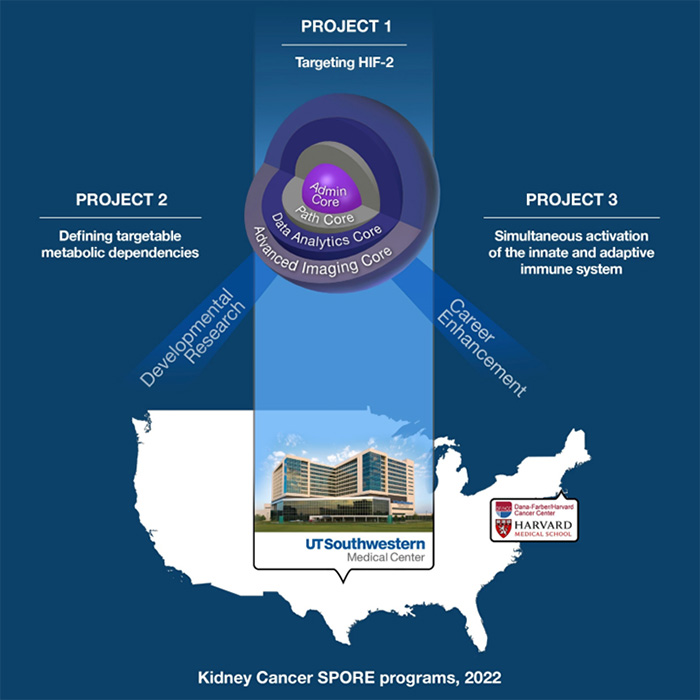
The National Cancer Institute (NCI) has renewed UT Southwestern’s Harold C. Simmons Comprehensive Cancer Center Kidney Cancer Program (KCP) Specialized Program of Research Excellence (SPORE) award.
Newborn boys are more vulnerable than girls to asphyxia: Newsroom - UT Southwestern, Dallas, Texas
https://www.utsouthwestern.edu/newsroom/articles/year-2023/nov-newborn-boys-girls.html
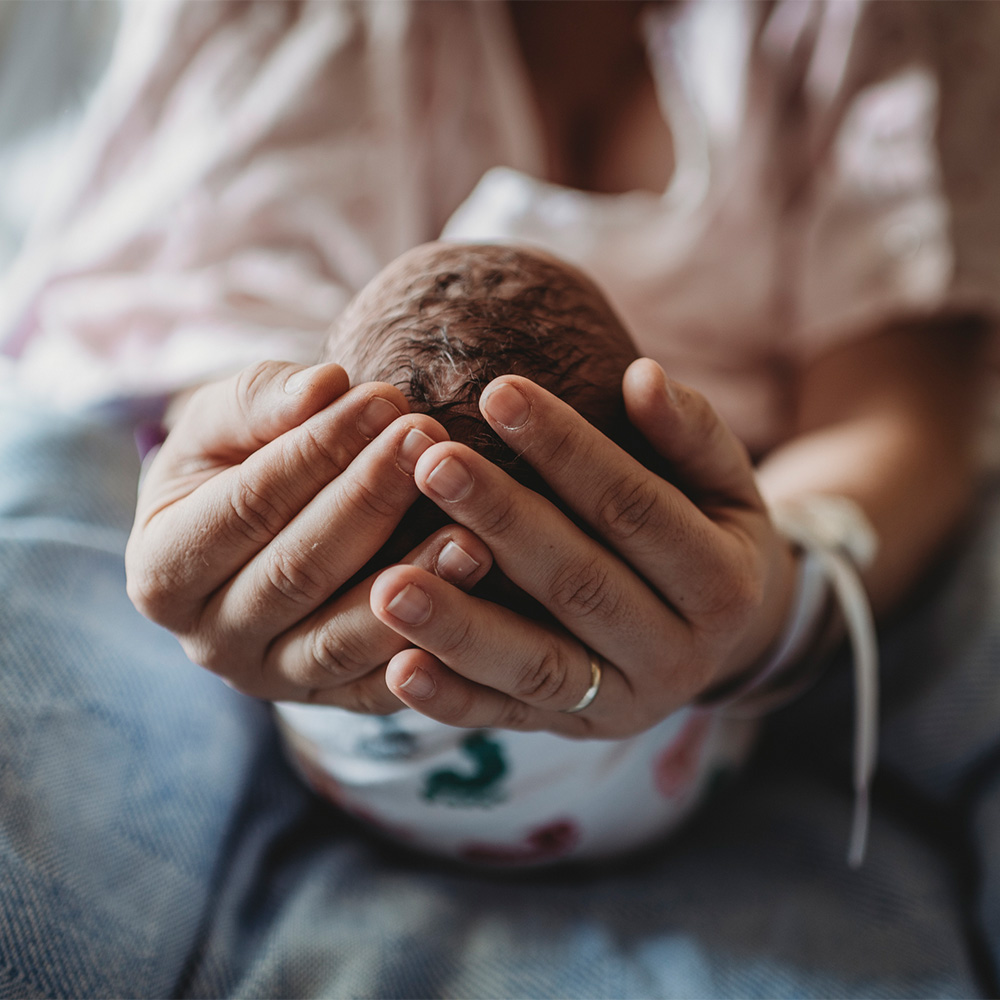
– Newborn boys are significantly more likely than girls to have a brain injury called hypoxic-ischemic encephalopathy (HIE), researchers at UT Southwestern Medical Center and Children’s Health Dallas report.
Study looks at ties between anxiety and gut bacteria: Newsroom - UT Southwestern, Dallas, Texas
https://www.utsouthwestern.edu/newsroom/articles/year-2023/nov-gut-bacteria-anxiety.html
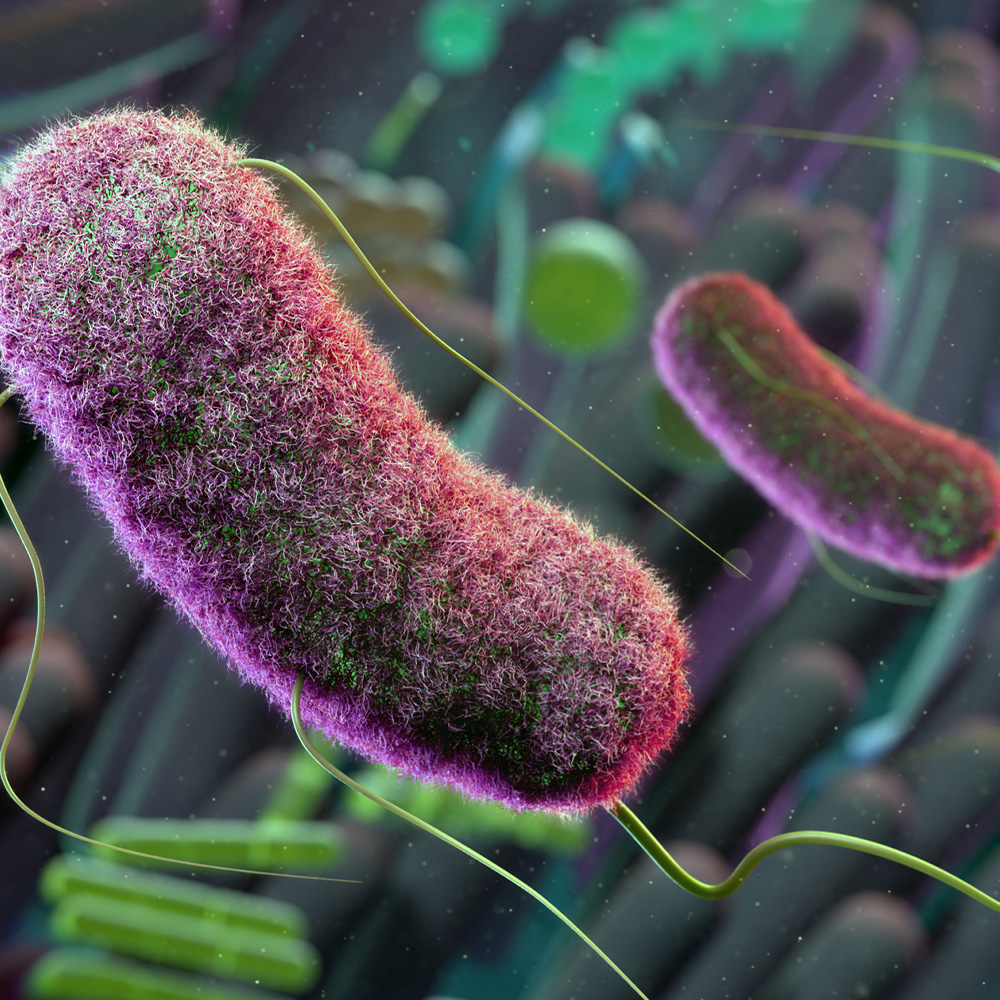
Interactions among microorganisms within the human gut may be associated with increased anxiety levels in people with depression, according to research led by UT Southwestern Medical Center.
Personalized approach suggested on colorectal cancer screening : Newsroom - UT Southwestern, Dallas, Texas
https://www.utsouthwestern.edu/newsroom/articles/year-2023/nov-colorectal-cancer-screening.html
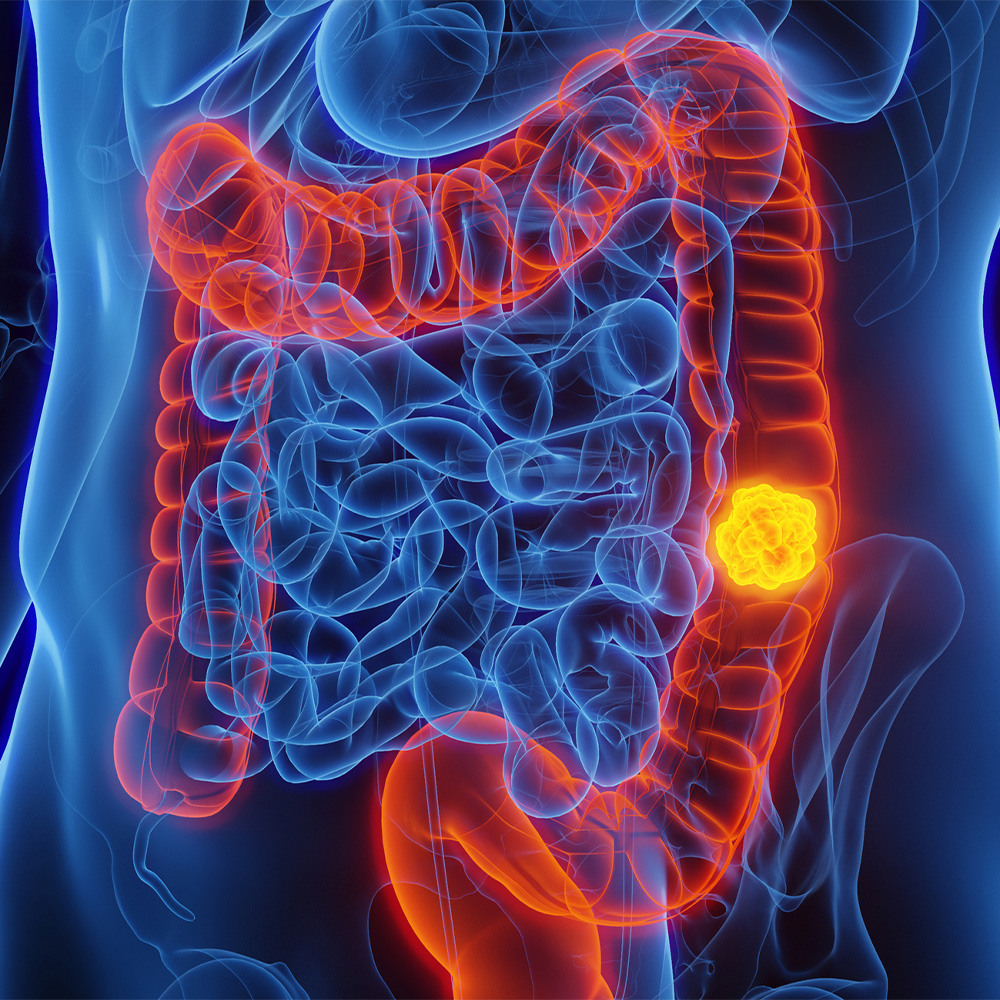
Colorectal cancer (CRC) screening rates are similar among older adults despite varying 10-year mortality risks, UT Southwestern Medical Center researchers report in a new study.
UT Southwestern scientists among world’s most highly cited researchers: Newsroom - UT Southwestern, Dallas, Texas
https://www.utsouthwestern.edu/newsroom/articles/year-2023/nov-highly-cited-researchers.html
More than a dozen UT Southwestern Medical Center scientists are included on the 2023 Highly Cited Researchers list, which recognizes the top 1% of researchers from around the world who have demonstrated significant and broad influence in their chosen field or fields of research.
Discovery fuels insights into early developmental disorders: Newsroom - UT Southwestern, Dallas, Texas
https://www.utsouthwestern.edu/newsroom/articles/year-2023/dec-early-developmental-disorders.html

A new study led by UT Southwestern Medical Center molecular biologists presents a novel culture system to grow both embryonic and extraembryonic stem cells, potentially providing important insights into the genesis of congenital malformations and early developmental disorders.
Activating cerebellum shows promise for neurocognitive therapy: Newsroom - UT Southwestern, Dallas, Texas
https://www.utsouthwestern.edu/newsroom/articles/year-2024/jan-cerebellum-neurocognitive-therapy.html
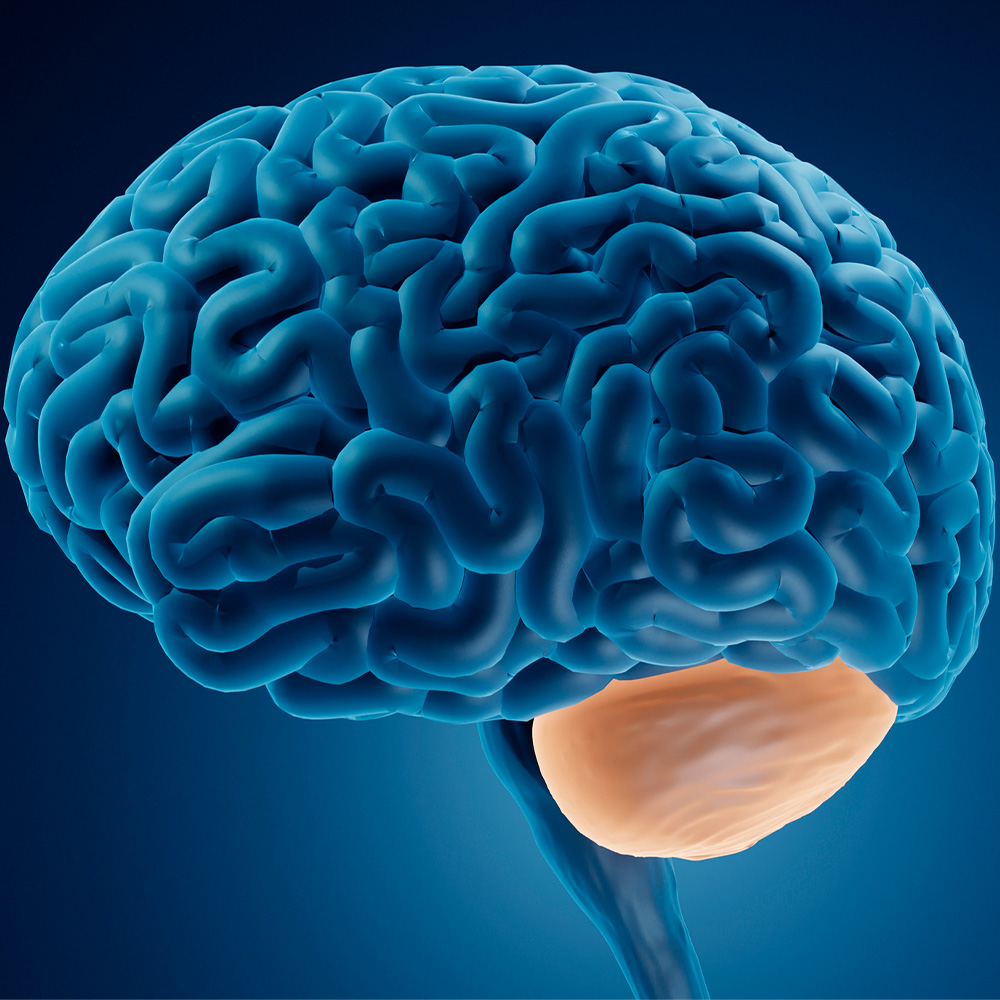
A study of mutant models of fragile X syndrome (FXS), a genetic disorder related to autism and intellectual disability, shows that activation of the cerebellum mitigates aberrant responses in sensory processing areas of the brain and improves neurodevelopmental behaviors.
UT Southwestern Q&A: What is stress and how can we manage it?: Newsroom - UT Southwestern, Dallas, Texas
https://www.utsouthwestern.edu/newsroom/articles/year-2023/oct-q-a-stress-management.html

Everyone experiences stress from time to time. And while brief bouts can be a good thing, prolonged or chronic stress can have negative effects on your overall health.
Experimental compound extends life in ALS mouse model: Newsroom - UT Southwestern, Dallas, Texas
https://www.utsouthwestern.edu/newsroom/articles/year-2024/feb-als-mouse-model.html
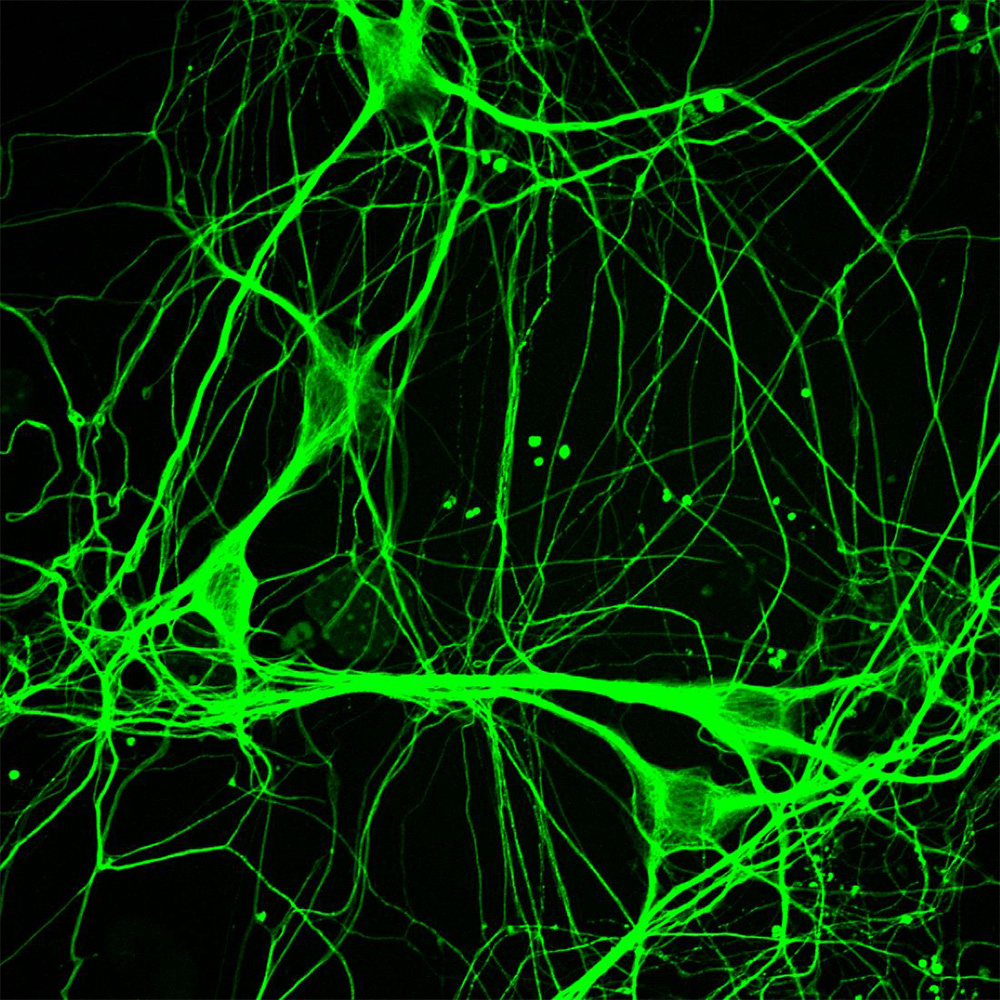
UT Southwestern Medical Center researchers have identified an experimental molecular compound that significantly improved survival among cellular models and mouse models of amyotrophic lateral sclerosis (ALS), the fatal neurodegenerative disease.