
Search
New target to thwart multidrug resistance in cancer treatment: Newsroom - UT Southwestern, Dallas, Texas
https://www.utsouthwestern.edu/newsroom/articles/year-2025/feb-thwart-multidrug-resistance-cancer-treatment.html
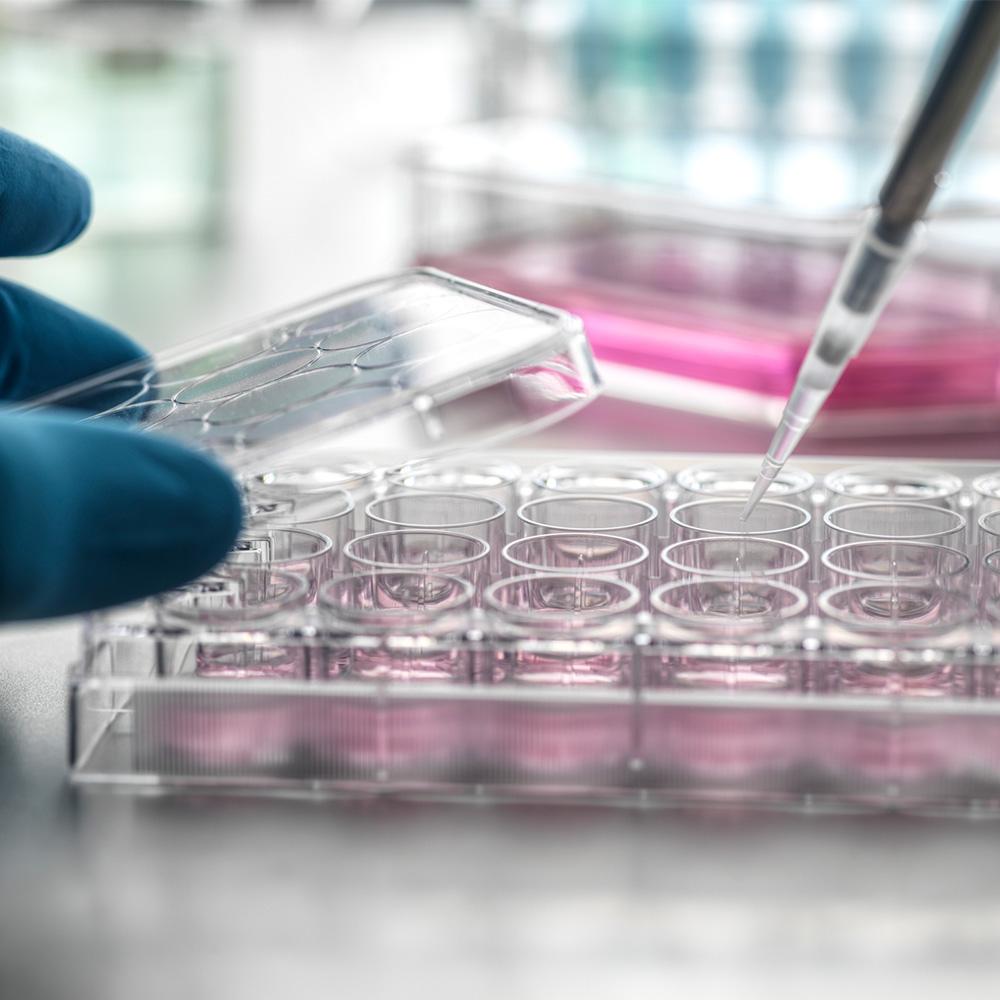
Multidrug resistance in cancer can be overcome by combining a drug that blocks a key enzyme with another anticancer drug, according to a study in preclinical models led by researchers at UT Southwestern Medical Center. The findings, published in Science Advances, could have implications for patients
UTSW researchers use focused ultrasound to identify stroke biomarkers : Newsroom - UT Southwestern, Dallas, Texas
https://www.utsouthwestern.edu/newsroom/articles/year-2025/march-ultrasound-identify-stroke-biomarkers.html
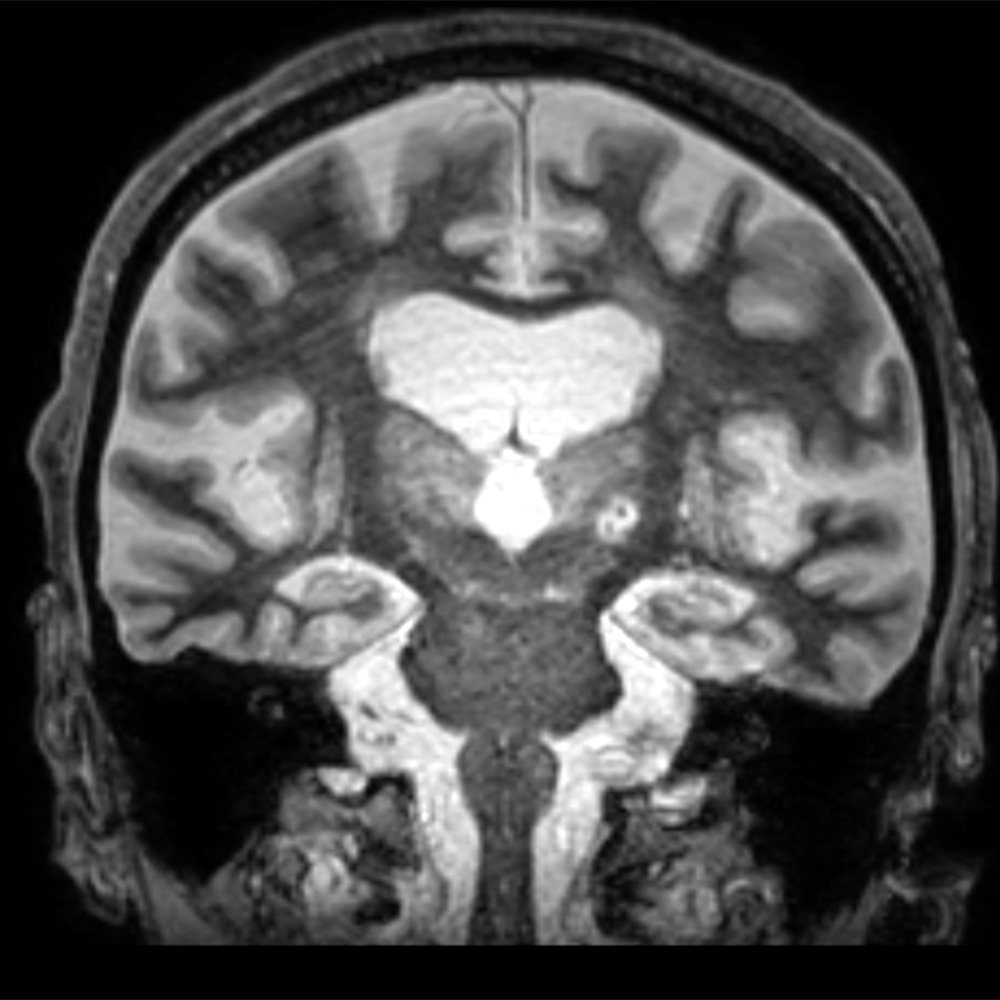
A molecule called glial fibrillary acidic protein (GFAP) rose significantly in the blood of patients who underwent high-intensity focused ultrasound (HIFU), a procedure that is used to treat tremors and causes damage similar to a small stroke, UT Southwestern Medical Center scientists discovered in
Breaking it down: How cells degrade unwanted microRNAs : Newsroom - UT Southwestern, Dallas, Texas
https://www.utsouthwestern.edu/newsroom/articles/year-2020/how-cells-degrade-unwanted-micrornas.html
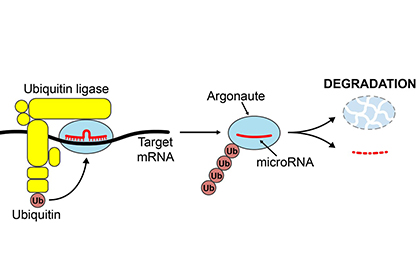
UT Southwestern researchers have discovered a mechanism that cells use to degrade microRNAs (miRNAs), genetic molecules that regulate the amounts of proteins in cells.
UTSW’s Simmons Cancer Center awarded more than $11.5 million in CPRIT funding: Newsroom - UT Southwestern, Dallas, Texas
https://www.utsouthwestern.edu/newsroom/articles/year-2024/sept-scc-awarded-cprit-funding.html
Eight scientists and physicians in the Harold C. Simmons Comprehensive Cancer Center at UT Southwestern have been awarded more than $11.5 million in grants from the Cancer Prevention and Research Institute of Texas (CPRIT) to support the state’s fight against cancer.
UTSW study explores link between high school IQ and alcohol use: Newsroom - UT Southwestern, Dallas, Texas
https://www.utsouthwestern.edu/newsroom/articles/year-2024/oct-high-school-iq-and-alcohol-use.html

A person’s IQ during high school is predictive of alcohol consumption later in life, according to a study by UT Southwestern Medical Center researchers published in Alcohol and Alcoholism.
Study identifies weight-loss drug target in the brain: Newsroom - UT Southwestern, Dallas, Texas
https://www.utsouthwestern.edu/newsroom/articles/year-2024/aug-weight-loss-drug-brain.html
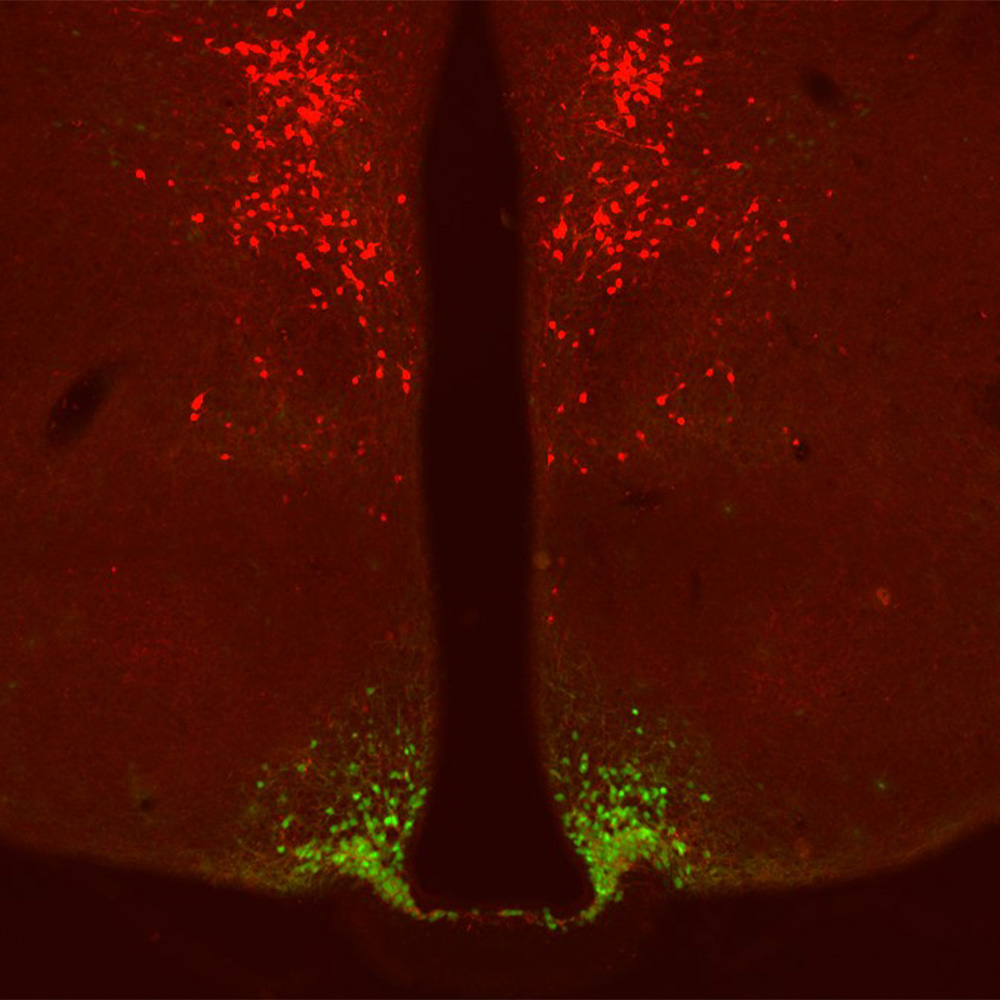
A team led by researchers from UT Southwestern Medical Center and a university in South Korea has identified a subset of brain cells whose activation may be partially responsible for the effects of a popular class of weight loss drugs that includes semaglutide and tirzepatide.
Computer model boosts detection of cell-to-cell communication: Newsroom - UT Southwestern, Dallas, Texas
https://www.utsouthwestern.edu/newsroom/articles/year-2024/sept-computer-model-cell-to-cell-communication.html
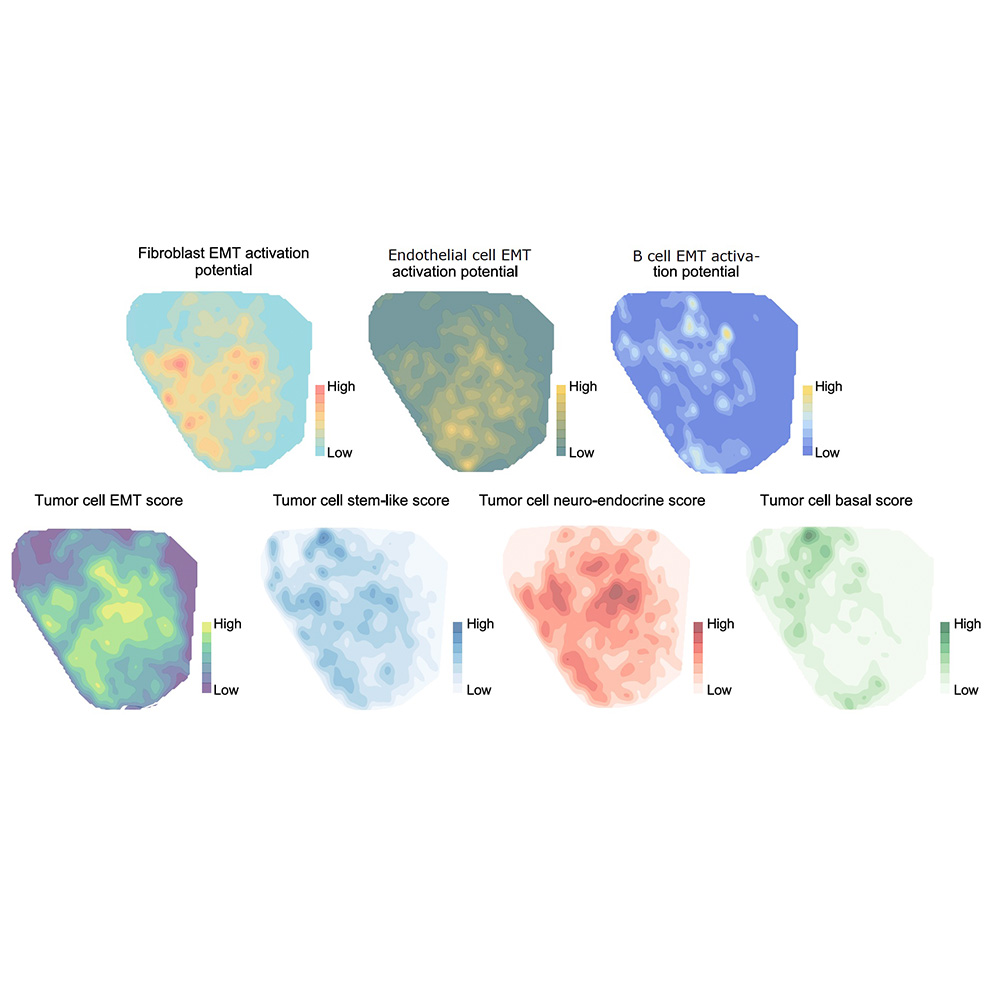
A computer model developed by UT Southwestern Medical Center researchers significantly enhances the ability of scientists to detect communication between cells according to a new study published in Nature Methods.
Drugs, lotions can magnify sun’s harmful effects, UTSW expert says: Newsroom - UT Southwestern, Dallas, Texas
https://www.utsouthwestern.edu/newsroom/articles/year-2024/aug-drugs-lotions-magnify-sun.html
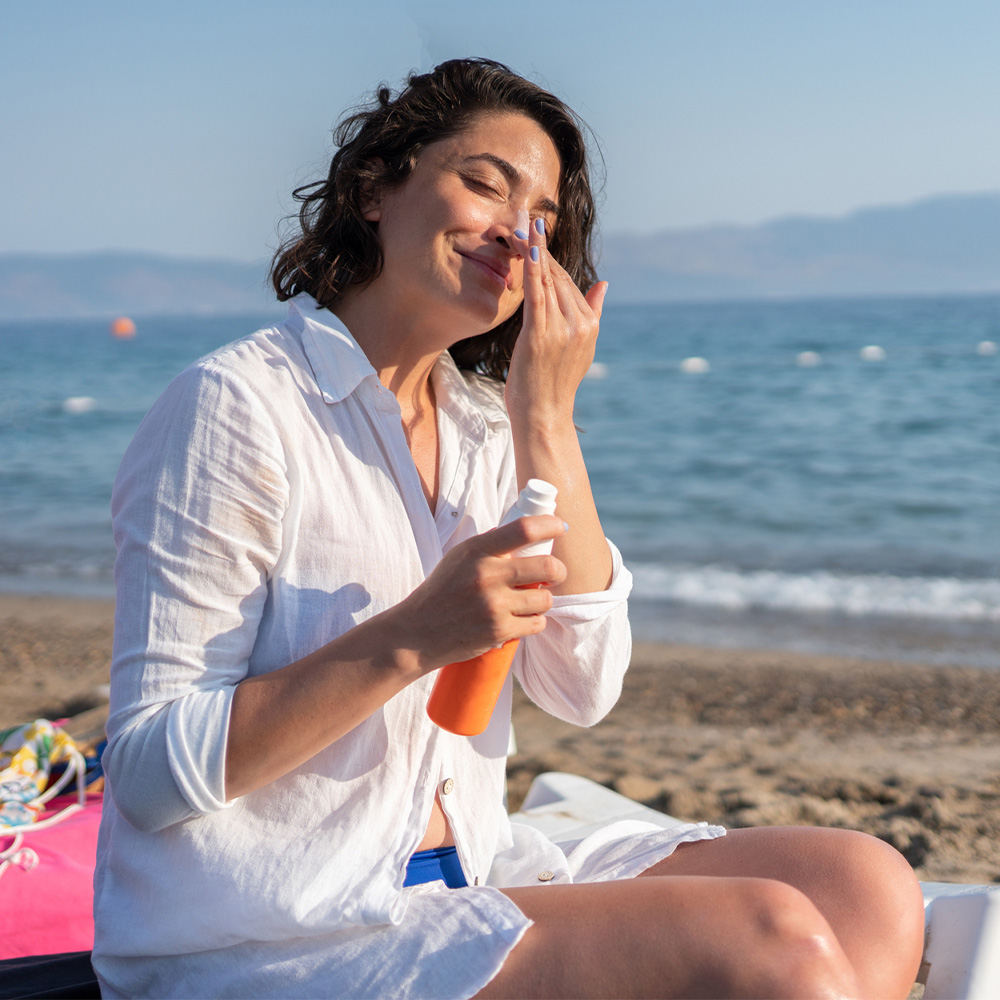
It’s well known that the sun’s ultraviolet (UV) light can wreak havoc on the skin. But most people don’t realize some commonly used products and medications can make us more susceptible to sunburn and other adverse reactions.
Children’s Medical Center Dallas seeks community participation in trauma research study to investigate treatment strategies for critically injured children : Newsroom - UT Southwestern, Dallas, Texas
https://www.utsouthwestern.edu/newsroom/articles/year-2024/sept-cmcd-trauma-research-study.html
Bleeding is the most common cause of preventable death after injury. Researchers at Children’s Medical Center Dallas are seeking community consultation for possible future participation from parents and legal guardians in a study that will compare two resuscitation treatments (whole blood versus
Shorter, safer protocol effectively treats triple-negative breast cancer: Newsroom - UT Southwestern, Dallas, Texas
https://www.utsouthwestern.edu/newsroom/articles/year-2025/jan-triple-negative-breast-cancer.html
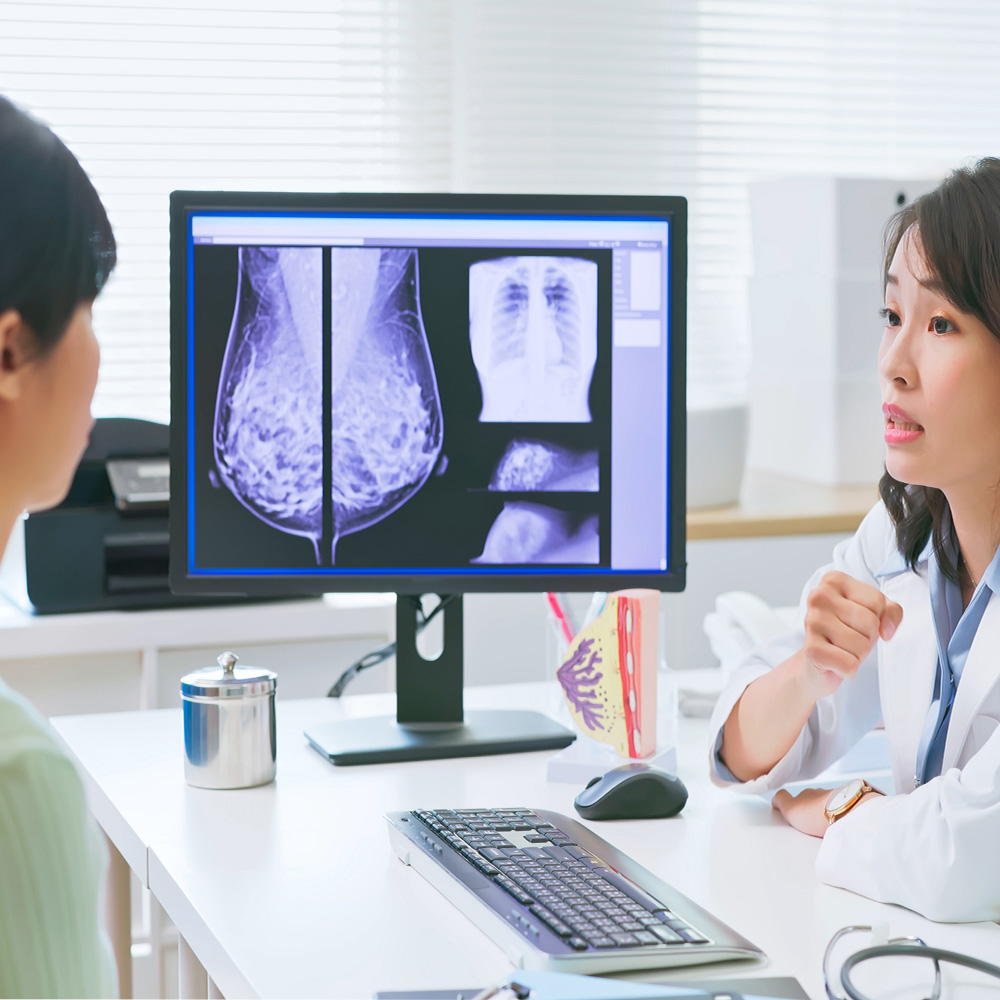
A far shorter, simpler, and less toxic treatment protocol for patients with triple-negative breast cancer produced outcomes similar to the current standard of care, a clinical trial co-led by a UT Southwestern Medical Center researcher shows.