
Search
UT Southwestern researchers report new mechanism in an ancient pathway of immune response: Newsroom - UT Southwestern, Dallas, Texas
https://www.utsouthwestern.edu/newsroom/articles/year-2023/february-key-pathway-to-immune-response-in-humans.html
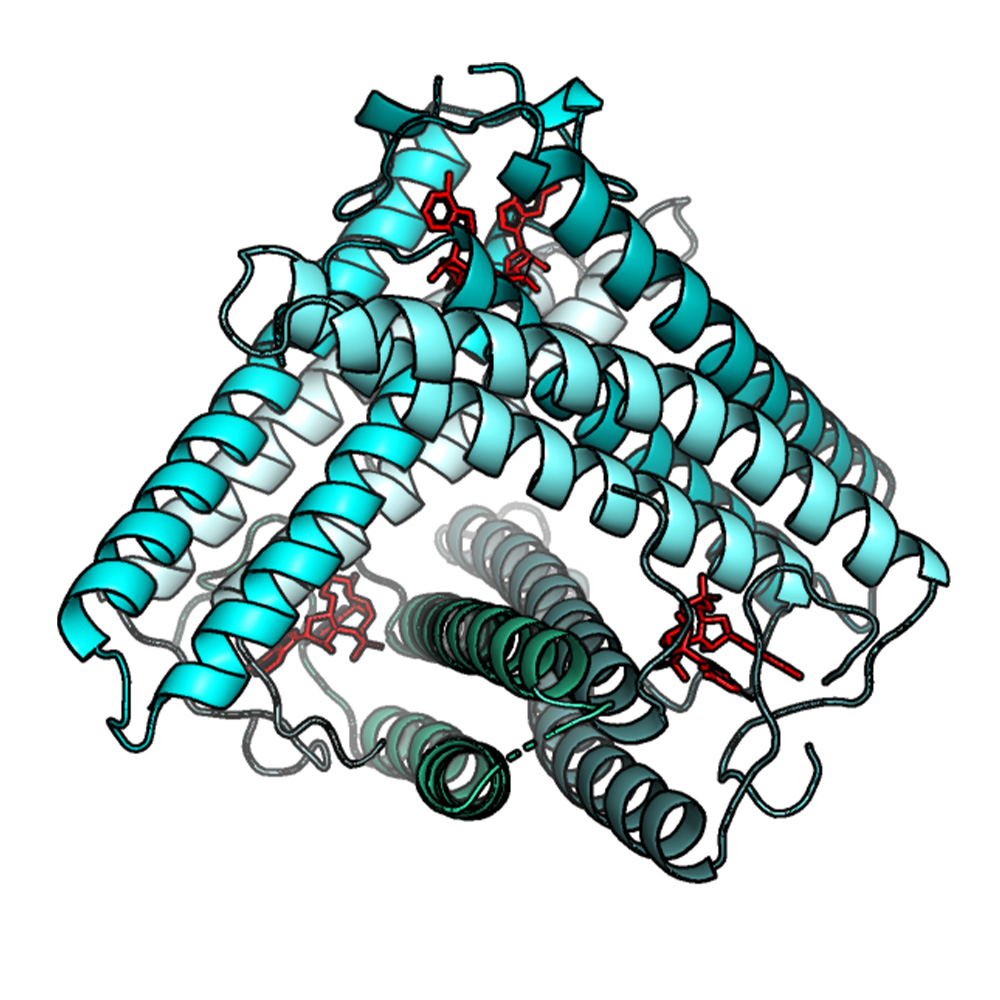
UT Southwestern biochemist Zhijian “James” Chen, Ph.D., famously identified the cGAS enzyme pathway that alerts the human immune system to disease-causing invaders like viruses. Since then, researchers have found that cGAS signaling is an ancient, conserved defense strategy stretching from bacteria
UTSW-led study shows promise for drug to treat upper urinary tract cancers : Newsroom - UT Southwestern, Dallas, Texas
https://www.utsouthwestern.edu/newsroom/articles/year-2023/january-upper-urinary-tract-cancers.html
Led by two UT Southwestern physicians, a team of researchers from 15 U.S. medical centers has performed the first analysis of a potentially game-changing drug to treat upper urinary tract urothelial cancers.
UT Southwestern biochemist, molecular biologist to receive HHMI Emerging Pathogens awards: Newsroom - UT Southwestern, Dallas, Texas
https://www.utsouthwestern.edu/newsroom/articles/year-2023/january-hhmi-emerging-pathogens-initiative-grants.html
Research teams led by two UT Southwestern Medical Center faculty members have been selected to receive competitive awards from the Howard Hughes Medical Institute’s (HHMI) Emerging Pathogens Initiative (EPI).
UTSW researchers discover rare premature-aging syndrome: Newsroom - UT Southwestern, Dallas, Texas
https://www.utsouthwestern.edu/newsroom/articles/year-2022/december-rare-premature-aging-syndrome.html
UT Southwestern researchers have discovered a new form of progeria, a rare premature-aging syndrome, in a man from Malaysia and traced its cause to a novel gene mutation.
Gene therapy corrects mutation responsible for common heart condition, research shows: Newsroom - UT Southwestern, Dallas, Texas
https://www.utsouthwestern.edu/newsroom/articles/year-2022/december-gene-therapy-in-human-cells.html
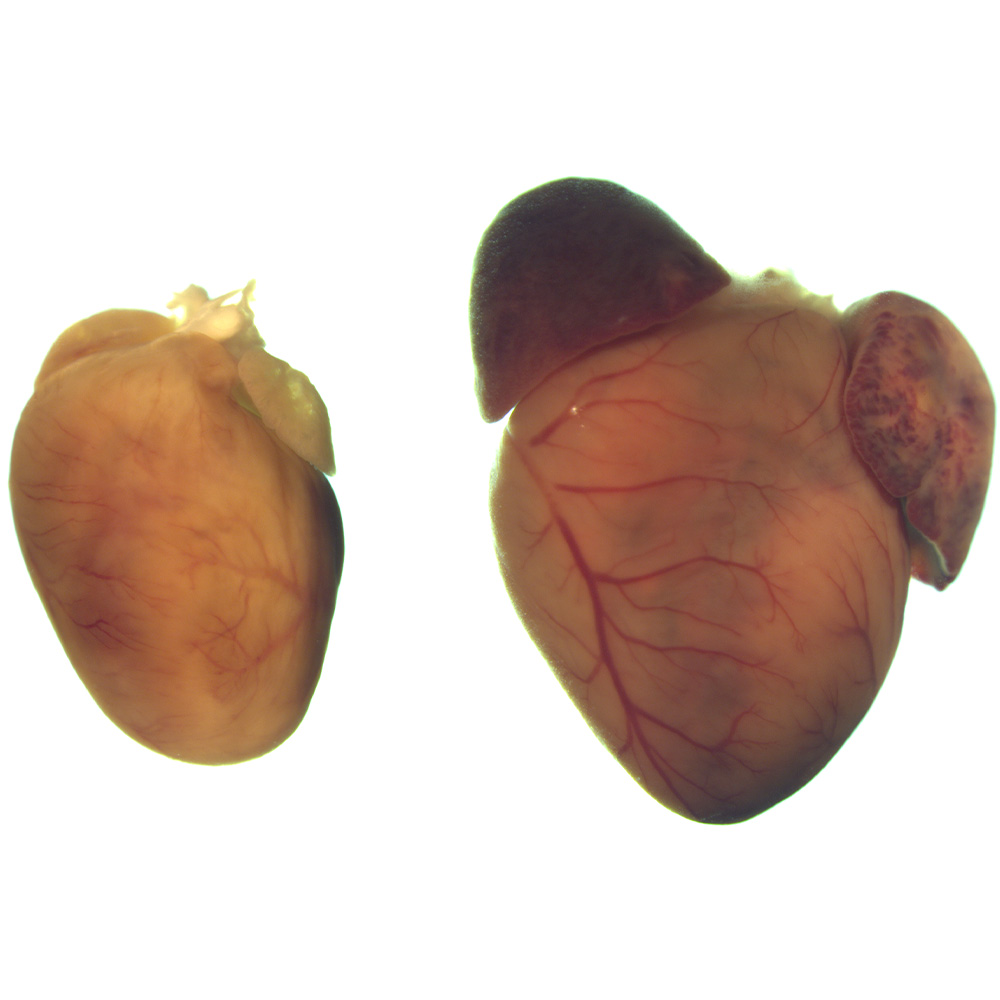
Using the CRISPR-Cas9 gene editing system, UT Southwestern researchers corrected mutations responsible for a common inherited heart condition called dilated cardiomyopathy (DCM) in human cells and a mouse model of the disease.
UTSW researchers map activity of inherited gene variants linked to prostate cancer: Newsroom - UT Southwestern, Dallas, Texas
https://www.utsouthwestern.edu/newsroom/articles/year-2022/december-gene-variants-linked-to-prostate-cancer.html
UT Southwestern researchers have identified the molecular function of 87 inherited genetic variants that affect the risk of prostate cancer, and the majority appear to control the activity of genes located far away from the risk variants themselves.
Antibodies block bacteria that cause tuberculosis, study shows: Newsroom - UT Southwestern, Dallas, Texas
https://www.utsouthwestern.edu/newsroom/articles/year-2026/feb-antibodies-block-bacteria.html
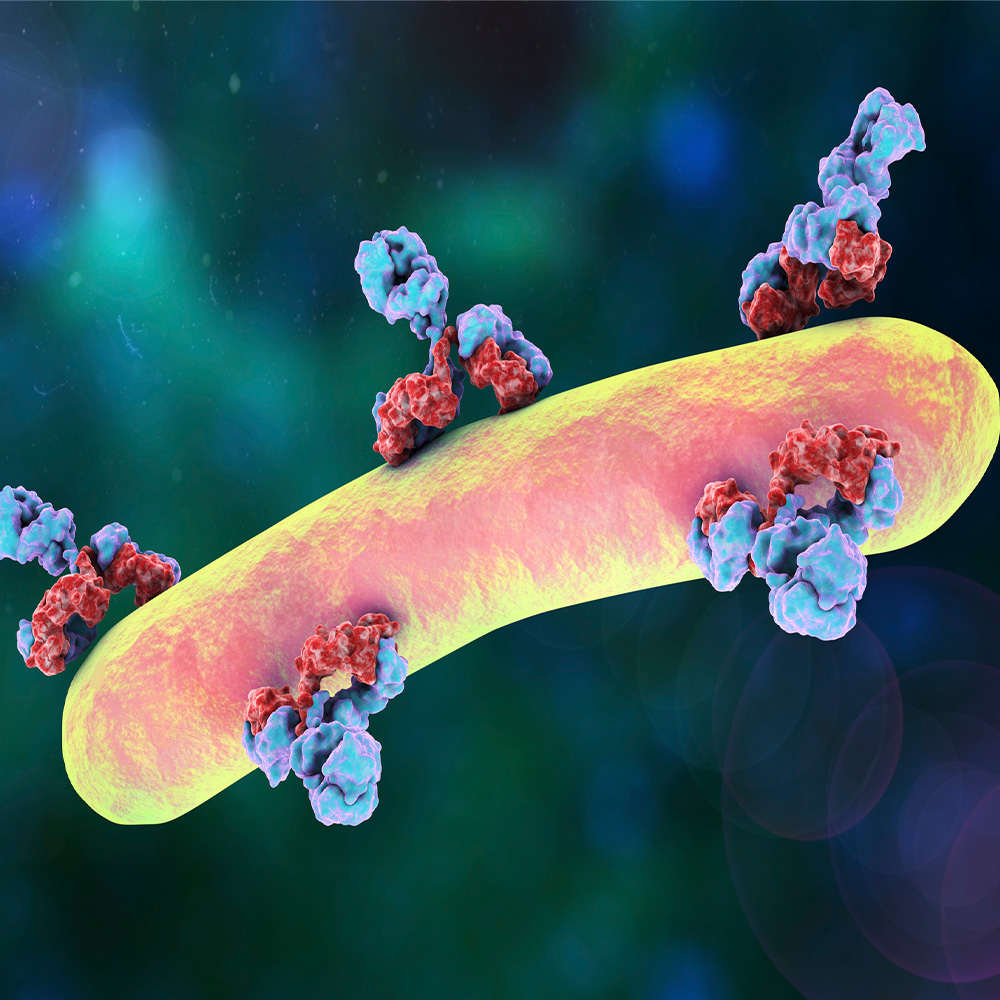
Antibodies that target specific tuberculosis (TB) proteins are effective at inhibiting the bacteria that cause TB, the infectious disease that claims the most lives worldwide, a study led by UT Southwestern Medical Center researchers found.
Single-dose radiation before surgery can eradicate breast cancer: Newsroom - UT Southwestern, Dallas, Texas
https://www.utsouthwestern.edu/newsroom/articles/year-2025/nov-single-dose-radiation.html
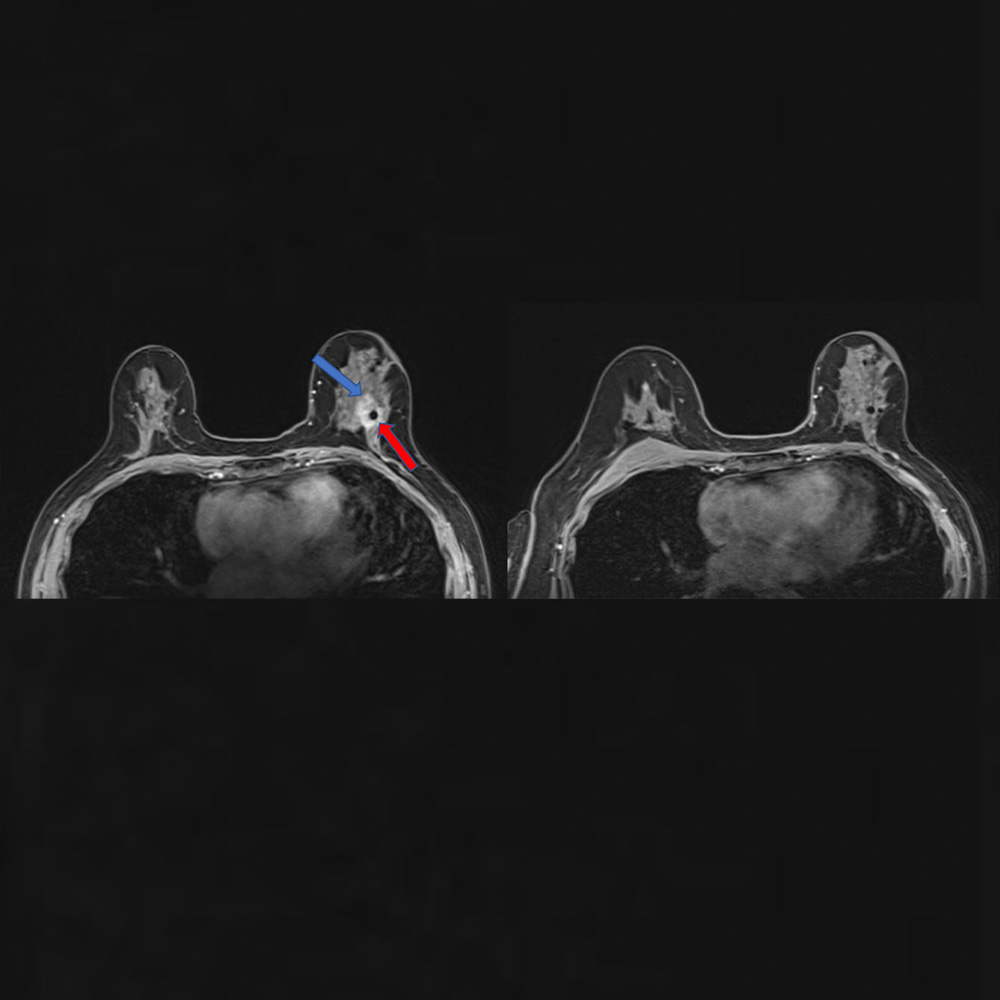
A single, high dose of radiation delivered before other treatments could completely eradicate tumors in most women with early-stage, operable hormone-positive breast cancer, according to a study led by UT Southwestern Medical Center researchers.
How to talk to children who have experienced traumatic events: Newsroom - UT Southwestern, Dallas, Texas
https://www.utsouthwestern.edu/newsroom/articles/year-2025/aug-children-traumatic-events.html

More than two-thirds of 16-year-olds today have been through a traumatic event, such as the Central Texas flooding in July that killed over 130 people, including numerous children at summer camp.
How cancer cells don their invisibility cloaks - UT Southwestern, Dallas, Texas
https://www.utsouthwestern.edu/newsroom/articles/year-2020/how-cancer-cells-don-their-invisibility-cloaks.html
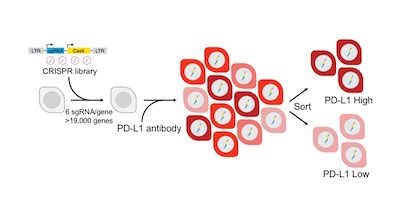
Immunotherapy drugs that target a protein called programmed death ligand 1 (PD-L1) on the surface of cancer cells have quickly become a mainstay to treat many forms of cancer, often with dramatic results.